
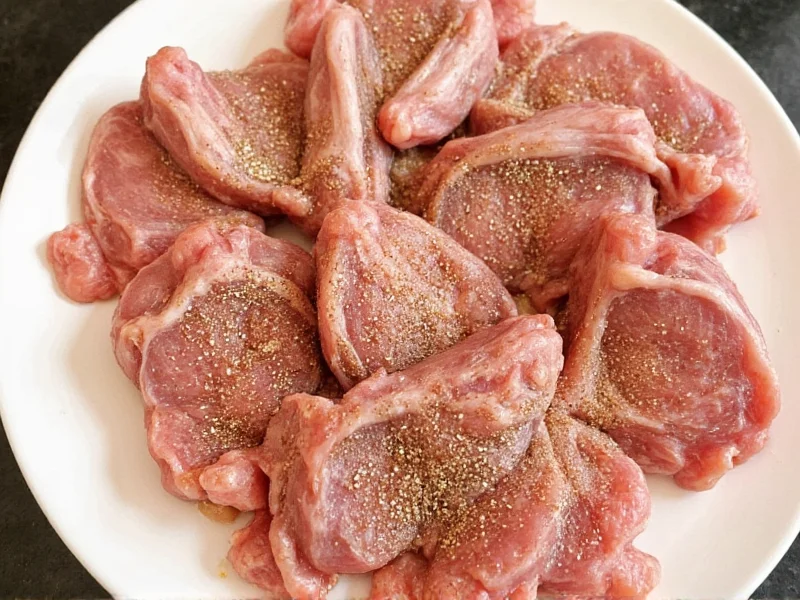
Understanding how to properly season lamb chops transforms this premium cut from merely good to extraordinary. Lamb possesses a distinctive, robust flavor that responds beautifully to the right seasoning approach. Unlike milder meats, lamb can handle bold flavors while still allowing complementary seasonings to shine through.
Why Lamb Chops Require Specific Seasoning Approaches
Lamb chops contain higher fat content than many other meats, which carries and distributes flavors throughout the cooking process. The myoglobin in lamb creates a richer, more complex taste profile that pairs exceptionally well with certain herbs and spices. When seasoning lamb chops, the goal isn't to mask the meat's natural flavor but to enhance and complement it.
Essential Seasonings for Perfectly Flavored Lamb Chops
Certain seasonings have stood the test of time as perfect partners for lamb chops. These ingredients work harmoniously with lamb's unique flavor profile:
| Seasoning Type | Best Applications | Flavor Contribution |
|---|---|---|
| Fresh Rosemary | Grilling, pan-searing | Earthy, pine-like notes that cut through lamb's richness |
| Fresh Garlic | All cooking methods | Sharp, aromatic quality that complements without overpowering |
| Fresh Mint | Grilling, roasting | Refreshing contrast to lamb's richness |
| Thyme | Slow cooking, roasting | Subtle earthiness that enhances natural flavors |
| Cumin | Grilling, broiling | Warm, slightly smoky notes that pair well with lamb |
Classic Lamb Chop Seasoning Combinations
Professional chefs rely on specific seasoning combinations that have proven effective across countless preparations. These tried-and-true blends deliver consistent results:
The Mediterranean Blend
This traditional seasoning for lamb chops combines 2 tablespoons fresh rosemary (finely chopped), 3 minced garlic cloves, 1 tablespoon fresh thyme, 1 teaspoon lemon zest, 1½ teaspoons kosher salt, and 1 teaspoon black pepper. The lemon zest adds brightness that cuts through the richness of the lamb without making the seasoning acidic.
The Middle Eastern Rub
For those seeking how to season lamb chops with exotic flavors, try this blend: 1½ tablespoons ground cumin, 1 tablespoon coriander, 2 teaspoons smoked paprika, 1 teaspoon sumac, 1 teaspoon cinnamon, 1½ teaspoons salt, and 1 teaspoon black pepper. This dry rub creates a beautiful crust when seared and works exceptionally well for grilling lamb chops.
Dry Rubs vs. Marinades: Which Works Best?
Understanding when to use dry rubs versus marinades significantly impacts your seasoning results. Dry rubs work best for quick-cooking methods like grilling or pan-searing lamb chops, as they create a flavorful crust without moisture interference. The ideal dry rub for lamb chops contains coarse salt, freshly ground pepper, and dried herbs that can withstand high heat.
Marinades prove more effective for thicker lamb chops or when using tougher cuts. An effective marinade for lamb chops includes acid (like lemon juice or vinegar), oil, and seasonings. However, avoid over-marinating, as the acid can begin to 'cook' the surface of the meat, resulting in a mealy texture. For best results when marinating lamb chops, limit time to 2-4 hours maximum.
Timing Your Seasoning for Maximum Flavor
The timing of seasoning application dramatically affects the final dish. For optimal seasoning penetration without compromising texture:
- Salt lamb chops 45-60 minutes before cooking to allow salt to penetrate beyond the surface
- Apply other seasonings 15-30 minutes before cooking to preserve volatile aromatic compounds
- For dry rubs, press the mixture gently into the meat to ensure adhesion
- When grilling lamb chops, avoid adding fresh herbs too early to prevent burning
Regional Variations in Lamb Chop Seasoning
Culinary traditions worldwide have developed distinctive approaches to seasoning lamb chops. Exploring these regional styles provides inspiration for home cooks:
Greek cuisine typically features lemon, oregano, and garlic as the foundation for lamb chop seasoning. The acidity of lemon balances lamb's richness while oregano provides earthy notes. In Moroccan cooking, lamb chops receive a blend of cumin, coriander, cinnamon, and saffron, creating complex, aromatic profiles. British preparations often keep it simple with just rosemary, garlic, and coarse salt, allowing the quality of the lamb to shine through.
Common Seasoning Mistakes to Avoid
Even experienced cooks make errors when seasoning lamb chops. Avoid these common pitfalls:
- Seasoning too early with fresh herbs that burn during high-heat cooking
- Using dried rosemary instead of fresh (dried becomes bitter when seared)
- Overpowering the lamb with too many competing flavors
- Adding salt immediately before cooking (limits penetration)
- Using pre-made seasoning blends with excessive fillers or sugar
Remember that quality ingredients make the difference between good and exceptional lamb chops. Fresh herbs always outperform dried counterparts for finishing, while high-quality sea salt provides cleaner flavor than table salt. When preparing how to season lamb chops for special occasions, simplicity often yields the most impressive results—sometimes just salt, pepper, and one complementary herb creates the perfect balance.
Frequently Asked Questions
Should I use fresh or dried herbs when seasoning lamb chops?
Use fresh herbs for finishing lamb chops just before or after cooking, as they provide brighter flavor and better texture. Dried herbs work better in dry rubs applied before cooking, as they can withstand higher heat. Rosemary is particularly important to use fresh when possible, as dried rosemary often develops a bitter taste when seared.
How far in advance should I season lamb chops with salt?
Season lamb chops with salt 45-60 minutes before cooking for optimal results. This timing allows the salt to penetrate beyond the surface without drawing out excessive moisture. Seasoning too early (more than 90 minutes) can create a cured texture, while seasoning immediately before cooking only flavors the surface.
What's the best way to season lamb chops for grilling?
For grilled lamb chops, use a simple dry rub with coarse salt, black pepper, and fresh rosemary. Apply the salt 45 minutes before grilling, then add the remaining seasonings 15 minutes before cooking. Avoid wet marinades immediately before grilling as they can cause flare-ups. The high heat of grilling caramelizes the seasonings, creating a flavorful crust while keeping the interior tender.
Can I use the same seasoning for lamb chops as I would for other meats?
Lamb chops require different seasoning considerations than other meats due to their stronger flavor profile. While some seasonings like garlic and rosemary work well across multiple proteins, lamb can handle bolder flavors that might overwhelm chicken or fish. Avoid sweet seasonings that work well with pork, as they often clash with lamb's natural flavor. The best seasoning for lamb chops typically features earthy herbs rather than sweet components.




 浙公网安备
33010002000092号
浙公网安备
33010002000092号 浙B2-20120091-4