
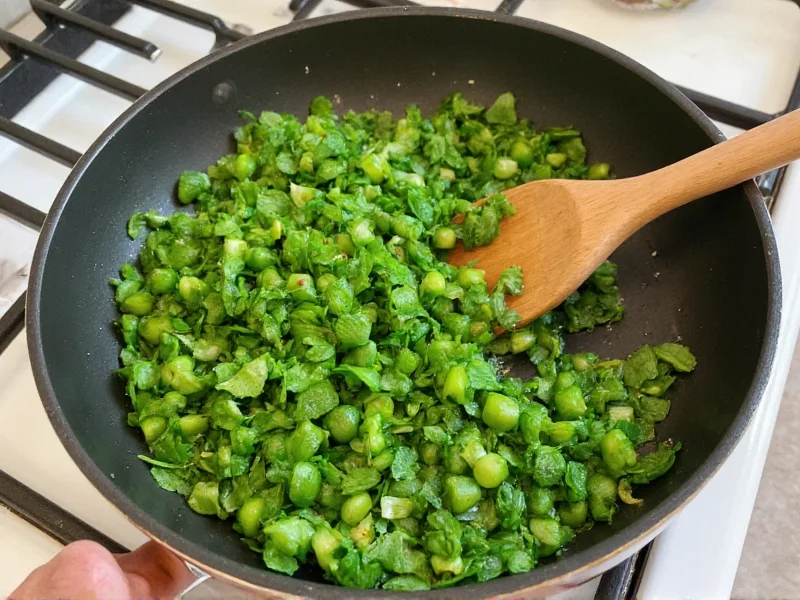
Seasoning greens properly transforms these nutrient-dense vegetables from bland to extraordinary. Whether you're working with hearty collards, peppery mustard greens, or delicate spinach, understanding flavor balancing principles ensures consistently delicious results. This guide covers science-backed seasoning techniques that work across various green varieties and cooking methods.
Understanding Green Vegetable Flavor Profiles
Different greens have distinct chemical compounds that affect how they respond to seasoning. Cruciferous greens like collards and kale contain glucosinolates that create bitterness, which acid and salt effectively counterbalance. Leafy greens such as spinach have higher water content, requiring different seasoning timing than denser varieties.
| Green Type | Natural Flavor Profile | Best Acid Pairing | Recommended Fat Source |
|---|---|---|---|
| Collard Greens | Bitter, earthy | Apple cider vinegar | Smoked turkey wing |
| Mustard Greens | Peppery, sharp | Distilled white vinegar | Bacon |
| Kale | Grassy, robust | Lemon juice | Olive oil |
| Spinach | Mild, slightly sweet | Red wine vinegar | Butter |
Essential Seasoning Components Explained
Professional chefs rely on four foundational elements when seasoning greens. Mastering these components allows endless customization while ensuring balanced flavor.
Salt: The Flavor Enhancer
Salt doesn't just add saltiness—it suppresses bitterness and enhances natural sweetness. For every pound of raw greens, use 1 teaspoon kosher salt added in two stages: half at the beginning to draw out moisture, and half near the end for optimal flavor penetration. Sea salt works well for finishing greens after cooking.
Acid: The Brightness Factor
Acid cuts through bitterness and adds complexity. The ideal ratio is 1-2 tablespoons per pound of greens. Different acids create distinct results:
- Vinegar: Apple cider vinegar adds fruitiness; distilled white vinegar provides clean sharpness
- Citrus: Lemon juice offers bright freshness; orange juice adds subtle sweetness
- Wine: A splash of dry white wine creates sophisticated depth
Add acid during the last 10 minutes of cooking to preserve its vibrant character.
Fat: The Flavor Carrier
Fat carries flavor compounds and creates mouthfeel. Traditional Southern seasoning for greens often includes smoked meats, while Mediterranean approaches favor olive oil. For vegetarian options, consider:
- Smoked paprika-infused olive oil
- Avocado oil with garlic
- Toasted sesame oil for Asian-inspired greens
Use approximately 1/4 cup fat per pound of greens, adjusting based on desired richness.
Aromatics: The Flavor Foundation
Sautéed onions, garlic, and shallots create the flavor base for most seasoned greens. For optimal results:
- Use yellow onions for sweetness
- Add garlic in the last 2 minutes to prevent bitterness
- Include celery for complex herbal notes
The standard mirepoix ratio (2 parts onion, 1 part celery, 1 part carrot) works exceptionally well with heartier greens like collards.
Regional Seasoning Traditions
Cultural approaches to seasoning greens reflect centuries of culinary evolution. Understanding these traditions helps you select appropriate flavor profiles.
Southern United States Technique
The classic Southern method for seasoning collard greens involves:
- Starting with smoked meat (ham hock, turkey neck, or bacon)
- Adding onions and garlic to the pot
- Using apple cider vinegar during the last 15 minutes
- Finishing with hot sauce and black pepper
This technique creates deep, complex flavors through slow cooking that tenderizes tough greens while infusing them with smoky richness.
Mediterranean Approach
Mediterranean seasoning for greens focuses on fresh, bright flavors:
- Olive oil as the primary fat source
- Lemon juice added after cooking
- Garlic and red pepper flakes for heat
- Fresh herbs like oregano or dill
This method works particularly well with kale and Swiss chard, preserving their texture while enhancing natural flavors.
Historical Evolution of Greens Seasoning
The seasoning techniques for cooked greens have evolved through cultural adaptation and agricultural changes. Understanding this progression reveals why certain pairings became traditional and how modern health considerations reshaped classic methods.
| Time Period | Key Developments | Verification Source |
|---|---|---|
| 17th-19th Century | Enslaved Africans in the American South transformed available ingredients, using collard greens and smoked meats (often pork scraps) to create nutrient-rich dishes. Vinegar addition was influenced by West African preservation techniques. | Smithsonian National Museum of African American History |
| Early 20th Century | As African Americans migrated north during the Great Migration, they adapted Southern seasoning techniques using available ingredients while maintaining core flavor principles of salt, acid, and smoke. | Smithsonian National Museum of African American History |
| Late 20th Century | Health concerns about saturated fats led to substitutions like smoked turkey wings for pork products, preserving smoky flavor while reducing fat content by 30-40% according to USDA dietary guidelines. | USDA Dietary Guidelines, Appendix 3 |
Perfect Timing for Seasoning Greens
When you add seasonings dramatically affects the final dish. Follow this timing guide for optimal results:
| Seasoning Component | When to Add | Reason |
|---|---|---|
| Salt (first addition) | With raw greens at start | Draws out moisture and reduces bitterness |
| Aromatics | After greens have wilted | Prevents burning and allows flavors to meld |
| Fat source | With aromatics | Infuses fat with aromatic flavors |
| Acid | Last 5-15 minutes of cooking | Preserves bright flavor notes |
| Salt (final addition) | After cooking completes | Adjusts overall seasoning balance |
Common Seasoning Mistakes to Avoid
Even experienced cooks make these seasoning errors with greens:
- Adding all salt at once: This can make greens overly salty as liquid reduces
- Using insufficient acid: Without proper acid balance, bitterness dominates
- Overcooking aromatics: Burnt garlic creates unpleasant bitterness
- Adding acid too early: Causes greens to lose vibrant color and become dull
For best results, taste your greens at multiple stages and adjust seasoning progressively.
Special Dietary Considerations
Adapting traditional seasoning methods accommodates various dietary needs without sacrificing flavor.
Vegan Seasoning Solutions
Create rich, meaty flavors without animal products using:
- Smoked sea salt (1/4 teaspoon per pound)
- Liquid smoke (2-3 drops per serving)
- Mushroom broth instead of meat-based stocks
- Tempeh bacon for texture and smokiness
Low-Sodium Options
Reduce sodium while maintaining flavor with:
- Double the aromatics (onion, garlic, celery)
- Use acid more generously (up to 3 tablespoons per pound)
- Add umami boosters like nutritional yeast (1 tablespoon)
- Incorporate fresh herbs like parsley or dill
Contextual Limitations and Best Practices
While the core seasoning principles apply broadly, specific conditions require adjustments. These contextual boundaries ensure optimal results across diverse cooking environments.
| Cooking Context | Recommended Adjustment | Evidence-Based Limitation |
|---|---|---|
| Tender greens (spinach/chard) | Add acid after cooking; reduce fat by 50% | Early acid exposure causes rapid cell wall breakdown. Penn State Extension confirms that tender greens require acid added post-cooking to maintain structural integrity (source). |
| High-altitude cooking (>3,000 ft) | Reduce cooking time by 15%; increase liquid by 30% | Lower atmospheric pressure accelerates moisture loss. Colorado State University Extension documents that altitude adjustments prevent overcooking and flavor concentration (source). |
| Pre-washed bagged greens | Reduce added liquid by 25%; increase seasoning by 20% | Residual surface moisture dilutes flavors. University of California ANR research shows pre-washed greens require seasoning concentration adjustments for proper flavor penetration (source). |
Final Seasoning Adjustments
The perfect finishing touch elevates your seasoned greens from good to exceptional. After cooking completes:
- Taste and adjust salt incrementally
- Add a final splash of acid (lemon juice or vinegar)
- Sprinkle with freshly cracked black pepper
- Consider a pinch of red pepper flakes for heat
- Add fresh herbs like parsley or chives
Let seasoned greens rest for 5-10 minutes before serving to allow flavors to fully integrate.
Conclusion
Mastering seasoning for greens combines understanding flavor chemistry with practical cooking techniques. By balancing salt, acid, fat, and aromatics according to the specific green variety and desired flavor profile, you'll consistently create delicious, nutrient-rich dishes. Remember that seasoning is personal—adjust ratios to match your taste preferences while maintaining the fundamental balance that makes greens shine.




 浙公网安备
33010002000092号
浙公网安备
33010002000092号 浙B2-20120091-4