
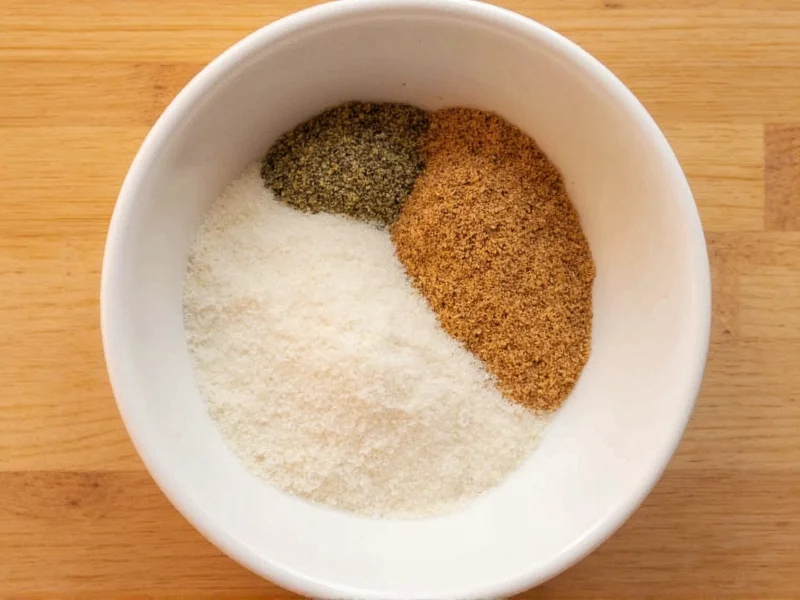
Creating the perfect chicken noodle soup relies heavily on thoughtful seasoning. While the base ingredients matter, the right spices transform a simple broth into a comforting, flavorful meal that satisfies both taste and soul. Understanding which seasonings work best—and when to add them—makes all the difference between an average soup and an exceptional one.
Essential Seasonings for Chicken Noodle Soup
Every great chicken noodle soup starts with a foundation of core seasonings that enhance the natural flavors without overpowering them. These pantry staples create the classic flavor profile everyone recognizes:
- Salt - The most crucial seasoning that enhances all other flavors
- Black pepper - Adds subtle heat and complexity
- Garlic powder - Provides savory depth without raw garlic's sharpness
- Onion powder - Contributes sweet, aromatic notes
- Dried thyme - The signature herbal note in traditional recipes
- Dried parsley - Adds fresh, grassy undertones
For homemade chicken noodle soup seasoning, combine these in a 4:2:1 ratio of broth to vegetables to seasonings. Start with less—you can always add more later—but never skip the salt, which is essential for proper how to season chicken broth properly.
Timing Matters: When to Add Seasonings
Professional chefs know that when to add seasoning to soup affects the final flavor profile significantly:
| Seasoning Type | Best Addition Time | Reason |
|---|---|---|
| Salt, pepper, dried herbs | Early in cooking | Allows flavors to meld with broth during simmering |
| Fresh herbs (parsley, dill) | Last 5-10 minutes | Preserves bright flavor and color |
| Acidic elements (lemon juice) | Just before serving | Prevents bitterness from prolonged cooking |
Adding dried seasonings early allows their flavors to fully integrate with the broth, while fresh ingredients should be added at the end to maintain their vibrant characteristics. This timing technique creates layered flavors that define traditional chicken noodle soup flavor profile.
Flavor Variations and Special Blends
While classic seasoning works for most palates, these variations cater to specific dietary needs or regional preferences:
Classic All-Purpose Blend
Combine for every 4 cups of broth:
- 1 teaspoon dried thyme
- 1 teaspoon dried parsley
- ½ teaspoon garlic powder
- ½ teaspoon onion powder
- ¼ teaspoon black pepper
- Salt to taste (start with ½ teaspoon)
Low-Sodium Alternative
For those monitoring salt intake, try this healthy seasoning options for chicken soup blend:
- 1 teaspoon dried dill
- 1 teaspoon lemon zest
- ½ teaspoon turmeric (adds color and anti-inflammatory benefits)
- ½ teaspoon celery seed
- ¼ teaspoon cayenne pepper
Mediterranean Twist
Add these to your base seasoning for vegetable seasoning for chicken noodle soup with Mediterranean flair:
- 1 teaspoon oregano
- ½ teaspoon marjoram
- 1 bay leaf (remove before serving)
- 1 tablespoon fresh lemon juice
Common Seasoning Mistakes to Avoid
Even experienced cooks make these errors when preparing best herbs for chicken noodle soup:
- Adding all seasoning at the end - Results in one-dimensional flavor that sits on top rather than permeating the broth
- Over-relying on pre-made bouillon - Often contains excessive sodium and artificial flavors
- Using dried herbs when fresh are available - For finishing touches, fresh herbs provide superior flavor
- Not tasting as you go - Broth concentration changes during cooking, requiring adjustment
- Adding acidic ingredients too early - Lemon juice or vinegar added at the beginning can become bitter
Remember that the quality of your base broth significantly impacts the final result. Even the best homemade chicken noodle soup seasoning can't compensate for a poor foundation. Start with a well-made broth, then build your flavors systematically.
Historical Context and Practical Boundaries
Chicken noodle soup's seasoning traditions have evolved significantly over centuries. Originally documented in medieval European cookbooks as a remedy for ailments, early versions used simple herbs like parsley and thyme available to peasants. By the 19th century, Jewish communities in Eastern Europe developed the now-iconic version with matzo balls, incorporating dill and garlic for medicinal properties. The modern American version, popularized during the 20th century, standardized the blend of dried thyme, parsley, and garlic powder we recognize today (Smithsonian Magazine, 2015).
A comparison of historical and contemporary recipes reveals key shifts in seasoning approaches:
| Era | Primary Seasonings | Key Differences |
|---|---|---|
| Early 20th Century (Farmer, 1918) | Salt, black pepper, dried thyme, dried parsley, bay leaf | No garlic or onion powder; relies on fresh herbs and whole spices; uses bay leaf as a primary herb |
| Modern (National Chicken Council, 2023) | Salt, black pepper, garlic powder, onion powder, dried thyme, dried parsley | Includes powdered aromatics for convenience and consistent flavor; bay leaf less prominent; emphasis on garlic and onion |
These changes reflect broader culinary trends toward convenience and consistent flavor. However, seasoning choices must also consider individual health contexts. The American Heart Association recommends no more than 2,300 mg of sodium per day for most adults, making low-sodium alternatives essential for cardiovascular health. In such cases, replace salt with potassium-based alternatives and boost flavor with acid (lemon juice) and umami-rich ingredients like mushrooms or nutritional yeast (American Heart Association, 2023).
Final Touches for Perfectly Seasoned Soup
The difference between good and great chicken noodle soup often comes down to these finishing techniques:
- The acid test - A small splash of lemon juice or vinegar just before serving brightens all the flavors
- Fresh herb garnish - Chopped parsley, dill, or chives add visual appeal and fresh flavor notes
- Umami boosters - A teaspoon of tomato paste or Parmesan rind simmered in the broth adds depth
- Final salt adjustment - Always taste and adjust salt after noodles have absorbed some broth
When perfecting your classic chicken noodle soup spice blend, remember that personal preference plays a role. Some enjoy more herbal notes, while others prefer subtle warmth from additional black pepper. The key is building flavors gradually and tasting throughout the process.




 浙公网安备
33010002000092号
浙公网安备
33010002000092号 浙B2-20120091-4