
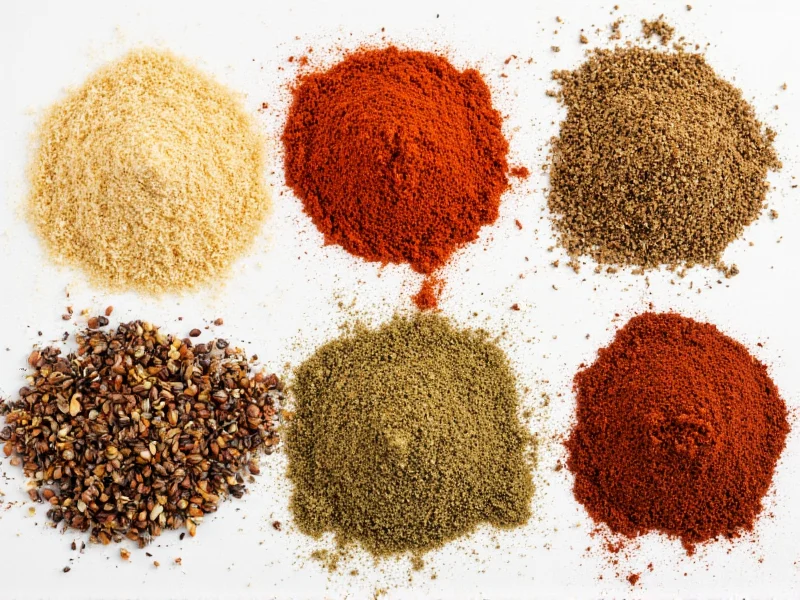
Seasoning blends transform ordinary meals into culinary experiences by providing balanced flavor profiles that would be challenging to recreate with individual spices. These carefully calibrated mixtures solve common cooking problems like inconsistent seasoning, time-consuming spice measuring, and flavor imbalances that plague home chefs. Understanding which blends work best for specific applications separates adequate home cooking from truly memorable meals.
The Science Behind Effective Seasoning Combinations
Professional chefs and food scientists develop seasoning blends based on flavor chemistry principles. Certain compounds in herbs and spices complement or enhance each other through synergistic interactions. For example, the umami compounds in garlic powder amplify the savory notes in onion powder, while black pepper's piperine increases absorption of turmeric's curcumin. This scientific approach to creating custom seasoning combinations ensures each component contributes to a harmonious final flavor rather than competing elements.
Major Categories of Seasoning Blends
Understanding the different types of seasoning mixes helps home cooks select appropriate blends for specific culinary applications. These categories generally follow regional traditions or cooking techniques:
| Category | Key Components | Best Applications | Pro Tips |
|---|---|---|---|
| Mediterranean | Oregano, thyme, rosemary, garlic, lemon zest | Chicken, fish, roasted vegetables, olive oil dressings | Add lemon zest last to preserve volatile oils |
| Southwest | Chili powder, cumin, smoked paprika, garlic, onion | Tacos, grilled meats, bean dishes, cornbread | Toast spices briefly before mixing for deeper flavor |
| Asian Fusion | Ginger, garlic, sesame, five-spice, citrus | Stir-fries, marinades, noodle dishes, dipping sauces | Include acid component like rice vinegar powder |
| Herb-Forward | Parsley, chives, tarragon, chervil, lemon pepper | Delicate fish, egg dishes, fresh vegetables, light sauces | Use fresh herbs when possible for brighter flavor |
| Smoke & Heat | Chipotle, smoked paprika, cayenne, garlic, onion | Barbecue, grilled meats, hearty stews, roasted root vegetables | Balance heat with touch of sweetness like brown sugar |
Evolution of Seasoning Blends: A Historical Perspective
Seasoning blends have evolved through distinct phases reflecting culinary science and cultural exchange. Key milestones demonstrate how empirical traditions transformed into data-driven formulations:
- Pre-1900s: Regional blends developed organically through trial-and-error (e.g., French herbes de Provence, Indian garam masala), with limited cross-cultural exchange due to transportation constraints.
- 1908-1950s: Scientific validation began when Tokyo Imperial University researcher Kikunae Ikeda isolated glutamic acid and identified umami as the fifth basic taste, explaining synergistic effects in traditional combinations like dashi broth. This landmark discovery established biochemical foundations for modern blend development.
- 1980s-Present: NIH-funded research revealed compound-specific interactions, such as piperine in black pepper increasing curcumin bioavailability by 2000% (validated in NIH clinical studies). Today's blends leverage gas chromatography data to optimize flavor compound ratios.
Mastering Seasoning Blend Application Techniques
Knowing how to use seasoning blends properly significantly impacts final dish quality. The timing and method of application affect flavor development:
- Dry brining: Apply seasoning blends 1-2 hours before cooking to allow flavors to penetrate proteins and enhance moisture retention
- Finishing blends: Delicate herb-based mixtures work best added in the last 5-10 minutes of cooking to preserve volatile aromatic compounds
- Marinade bases: Combine seasoning blends with oil, acid, and aromatics for deeper flavor penetration in tougher cuts
- Layered seasoning: Use different blends at various cooking stages for complex flavor development
For best seasoning blends for chicken, consider that poultry benefits from blends containing garlic, onion, paprika, and herbs like thyme or rosemary. These complement chicken's mild flavor without overwhelming it. When seasoning chicken breasts, use approximately 1 teaspoon of blend per 4-ounce portion, adjusting for dark versus white meat.
Critical Context Boundaries: When Blends Fall Short
Seasoning blends excel within specific parameters but face limitations requiring strategic adjustments. Recognizing these boundaries prevents flavor failures:
- Temperature Thresholds: Volatile compounds in dried herbs degrade rapidly above 100°F (38°C). USDA Agricultural Research Service data shows significant essential oil loss occurs within weeks under heat exposure. For grilling above 400°F, substitute delicate herb blends with robust smoked paprika-based mixes.
- Acidic Environment Limits: Citrus-based blends develop bitter off-notes after 30+ minutes in simmering tomato sauces due to terpene breakdown. Reserve acid-stable blends (containing rice vinegar powder as noted in Asian Fusion category) for dishes with cooking times under 20 minutes.
- Dietary Constraint Conflicts: Commercial blends frequently contain hidden sodium (200-400mg per ¼ tsp) or allergens. FDA labeling requirements help, but cross-contamination risks remain for severe allergies—homemade versions provide necessary control for specialized diets.
Homemade vs. Commercial Seasoning Blends
Creating homemade seasoning blends recipes offers significant advantages over store-bought options:
- Freshness control: Home blends maintain potency longer as you control when ingredients are combined
- Customization: Adjust salt content, heat level, and specific components to match personal preferences
- Avoidance of fillers: Commercial blends often contain anti-caking agents and unnecessary additives
- Cost efficiency: Buying whole spices in bulk and grinding as needed costs approximately 30-50% less long-term
When making your own blends, use a dedicated coffee grinder for spices to achieve consistent texture. Store blends in airtight containers away from light and heat to preserve volatile oils. Most homemade blends maintain peak flavor for 3-4 months, compared to 6-12 months for commercial products that often contain preservatives.
Troubleshooting Common Seasoning Blend Issues
Even experienced cooks encounter problems with seasoning blends. Understanding these common issues helps achieve consistent results:
- Overpowering flavors: If a blend dominates your dish, balance with acid (lemon juice or vinegar) or fat (butter or olive oil) to mellow intense notes
- Inconsistent results: Measure blends by weight rather than volume for precise consistency, especially with fluffy ingredients like dried herbs
- Bitter aftertaste: Often caused by too much paprika or cumin—balance with small amounts of sweetness like brown sugar
- Clumping issues: Add a small amount of uncooked rice or silica packets to absorb moisture in storage containers
For healthier alternatives to store-bought seasoning, reduce sodium by substituting potassium chloride blends or increasing herb content. Many commercial blends contain 200-400mg of sodium per 1/4 teaspoon, while homemade versions can be adjusted to contain minimal or no added salt.
Essential Seasoning Blend Storage Practices
Proper storage directly impacts seasoning blend shelf life and flavor preservation. Light, heat, and moisture are the primary enemies of spice quality:
- Use opaque, airtight containers to protect from light and humidity
- Store away from stove and oven to avoid temperature fluctuations
- Label containers with creation date and expected shelf life
- Freeze delicate herb blends for extended freshness (up to 6 months)
Test blend freshness by rubbing a small amount between your fingers and smelling—fresh blends should release strong, distinct aromas. Dull or musty smells indicate degraded quality. Properly stored homemade seasoning blends recipes maintain optimal flavor for 3-4 months, while commercial blends typically last 6-12 months due to preservatives.




 浙公网安备
33010002000092号
浙公网安备
33010002000092号 浙B2-20120091-4