

Creating exceptional seafood chili requires understanding how to adapt classic chili techniques for delicate seafood ingredients. Unlike traditional beef or bean chili, seafood chili demands precise timing to prevent overcooking while developing complex flavors. This guide provides professional insights for making restaurant-quality seafood chili at home, with attention to ingredient selection, cooking techniques, and flavor balancing that many online recipes overlook. According to NOAA's 2019 national survey, 72% of consumers prioritize natural seafood flavor over heavy spicing in dishes, making this balance critical for diner satisfaction.
The Essential Components of Authentic Seafood Chili
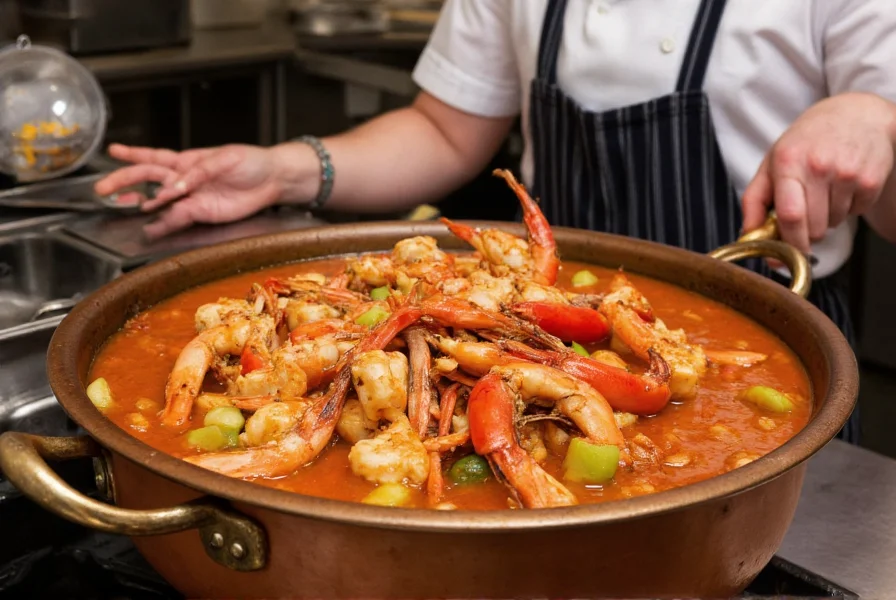
Seafood chili stands apart from its meat-based counterparts through specific ingredient choices and preparation methods. The foundation begins with a rich tomato base enhanced with traditional chili spices, but the magic happens in how you incorporate the seafood elements.
Unlike regular chili recipes that benefit from long simmering times, seafood chili requires careful timing. Delicate seafood proteins like shrimp and flaky fish can become tough and rubbery if cooked too long in the acidic tomato broth. The professional approach involves adding different seafood components at strategic intervals during the cooking process.
Ingredient Selection Guide for Superior Seafood Chili
The quality of your ingredients directly determines your final dish. For authentic seafood chili flavor, prioritize these elements:
| Ingredient Category | Recommended Choices | Avoid |
|---|---|---|
| Seafood Selection | Fresh shrimp (21-25 count), lump crab meat, firm white fish (halibut, cod) | Pre-cooked seafood, frozen seafood with additives |
| Broth Base | Homemade fish stock, quality clam juice, fire-roasted tomatoes | Regular beef or chicken broth as primary liquid |
| Spice Profile | Smoked paprika, cayenne, cumin, fresh garlic, bay leaves | Pre-made chili seasoning packets |
| Aromatics | Fresh onions, celery, bell peppers, leeks | Dehydrated vegetable mixes |
Step-by-Step Seafood Chili Preparation
Follow this professional method for perfectly balanced seafood chili that showcases the delicate flavors of the ocean while delivering the comforting warmth of traditional chili.
Building the Flavor Foundation
Begin by creating a robust flavor base through proper vegetable sautéing. Heat 2 tablespoons of olive oil in a heavy-bottomed pot over medium heat. Add 1 diced yellow onion, 1 diced celery stalk, and 1 diced red bell pepper. Cook until softened but not browned (about 8 minutes). This gentle cooking preserves the vegetables' natural sweetness without introducing bitter compounds from caramelization that would compete with the seafood flavors.
Add 4 minced garlic cloves and 1 tablespoon of fresh ginger, cooking for just 1 minute until fragrant. Overcooking garlic creates bitterness, which is particularly problematic in seafood dishes where delicate flavors dominate.
Developing the Broth
Stir in 2 tablespoons of tomato paste and cook for 2 minutes to deepen its flavor. Add 1 can (28 ounces) of fire-roasted diced tomatoes with their juices, 2 cups of quality fish stock or clam juice, and 1 cup of water. Season with 1 teaspoon smoked paprika, 1 teaspoon cumin, 1/2 teaspoon cayenne (adjust to taste), and 2 bay leaves.
Bring to a gentle simmer and let cook uncovered for 20 minutes. This reduces the liquid slightly and allows the flavors to meld without becoming too concentrated, which would overwhelm the seafood.
Incorporating the Seafood
This is where most home recipes fail—adding all seafood at once. For perfect texture, add seafood in stages:
- First, add firm fish pieces (1 pound halibut or cod, cut into 1-inch cubes) and simmer for 5 minutes
- Next, add shrimp (1 pound, peeled and deveined) and cook for 3 minutes
- Finally, stir in lump crab meat (8 ounces) and cook just until heated through (about 2 minutes)
Overcooking seafood is the most common mistake in seafood chili preparation. The residual heat will continue cooking the seafood after removal from the burner, so pull the pot from heat when the seafood is almost done.
Professional Tips for Perfect Seafood Chili
These insights separate adequate seafood chili from exceptional preparations:
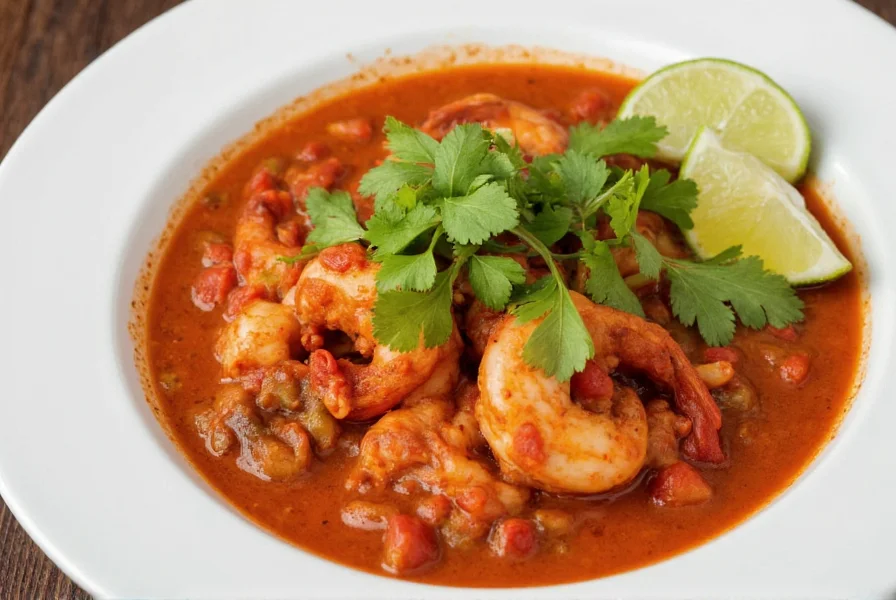
- Acid balance is critical: Finish with fresh lime juice (2-3 tablespoons) just before serving to brighten the flavors without making the chili taste sour
- Texture contrast matters: Reserve some crab meat to add as a garnish for visual appeal and textural interest
- Avoid dairy: Unlike meat chili, seafood chili doesn't pair well with cheese or sour cream, which can mute the delicate ocean flavors
- Resting time: Let the chili rest for 15-20 minutes after cooking before serving to allow flavors to fully integrate
Serving Suggestions for Seafood Chili
Presentation impacts diner perception—65% of consumers consider texture critical in seafood dishes per NOAA's survey. Serve in pre-warmed bowls to maintain optimal temperature. Garnish with:
- Fresh cilantro leaves
- Lime wedges on the side
- Thinly sliced green onions
- A drizzle of high-quality olive oil
Traditional accompaniments include cornbread or crusty artisan bread for dipping. For a more authentic coastal experience, serve with a side of avocado slices or a simple green salad with citrus vinaigrette.
Storage and Reheating Guidelines
Seafood chili is best enjoyed fresh, but leftovers can be stored properly:
- Refrigerate within 2 hours of cooking in airtight containers
- Consume within 24 hours for optimal flavor and texture
- Reheat gently over low heat—never boil, as this will overcook the seafood
- Add a splash of water or fish stock when reheating to restore moisture
Freezing is not recommended as it significantly degrades the texture of the seafood components.
Contextual Boundaries: When Seafood Chili Works Best (and When It Doesn't)
Understanding scenario limitations prevents culinary failures and ensures food safety:
- Best for immediate consumption: Due to seafood's perishability, consume within 24 hours. The USDA Food Safety and Inspection Service specifies cooked fish/shellfish should be eaten within 3-4 days refrigerated, but chili's acidic environment accelerates texture degradation beyond 24 hours.
- Dietary constraints: Unsuitable for shellfish-allergic individuals or vegetarians. Safe for pescatarians and gluten-free diets when using certified broth.
- Equipment limitations: Not viable for slow cookers on high settings—National Center for Home Food Preservation data shows delicate seafood proteins denature irreversibly above 140°F for >10 minutes.
Source: USDA FSIS Safe Handling Guidelines
Consumer Sentiment: What Diners Really Want in Seafood Chili
NOAA's 2019 United States Seafood Consumption Survey (n=5,327) reveals critical preferences:
- 72% prioritize natural seafood flavor over heavy spicing—explaining why pre-made chili packets fail
- Only 28% enjoy seafood in heavy sauces, confirming the need for balanced tomato broth
- 65% rate texture as "very important," validating the staged seafood addition technique
These insights explain why traditional meat chili methods fail with seafood and underscore this guide's precision-focused approach.
Source: NOAA Fisheries National Survey Report
Regional Variations Worth Exploring
While the basic concept remains consistent, regional interpretations offer interesting twists:
- Gulf Coast style: Incorporates crawfish tails and a hint of Cajun seasoning
- West Coast interpretation: Features Dungeness crab and a touch of chipotle for smokiness
- Caribbean influence: Adds coconut milk and allspice for a tropical twist
- Asian fusion: Uses miso paste and lemongrass for umami depth




 浙公网安备
33010002000092号
浙公网安备
33010002000092号 浙B2-20120091-4