
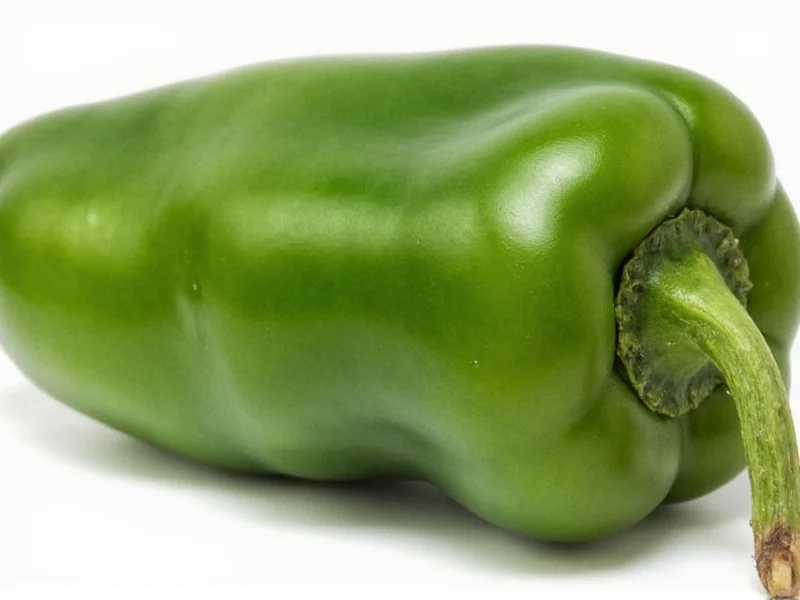
Understanding the Scoville scale is essential for anyone working with chili peppers. Developed by pharmacist Wilbur Scoville in 1912, the Scoville Heat Unit measures the concentration of capsaicinoids—the compounds responsible for a pepper's heat. The higher the SHU rating, the hotter the pepper. Originally determined through human taste testing, modern measurements use high-performance liquid chromatography for precise capsaicin quantification.
Evolution of Scoville Measurement
The methodology for determining Scoville Heat Units has undergone significant scientific refinement:
- 1912: Wilbur Scoville develops the organoleptic test requiring human panels to dilute pepper extracts until heat becomes undetectable
- 1980s: High-performance liquid chromatography (HPLC) replaces subjective tasting, objectively measuring capsaicinoid concentration
- 2005: ASTM International standardizes HPLC methodology (ASTM E2424-05) for global consistency in pepper heat quantification
These advancements maintain the Scoville scale's relevance while eliminating human subjectivity, with modern SHU values calculated as capsaicinoid concentration × 16,000,000.
What Determines Jalapeño Heat Levels?
Jalapeño heat varies significantly due to several factors:
- Genetics: Different jalapeño varieties naturally produce varying capsaicin levels
- Stress conditions: Peppers grown in drier, hotter conditions typically develop more heat
- Ripeness: Fully ripe red jalapeños are often hotter than green ones
- Part of the pepper: The placenta (white ribs) contains the highest concentration of capsaicin
- Cultivation practices: Soil composition, watering schedules, and fertilization affect heat production
Jalapeño Heat Range Explained
The standard 2,500-8,000 SHU range for jalapeños represents significant variability. A jalapeño at the lower end (2,500 SHU) feels noticeably milder than one approaching 8,000 SHU. For context, this means:
- The mildest jalapeños are about 8 times hotter than the mildest bell peppers (0 SHU)
- The hottest jalapeños approach the lower threshold of cayenne peppers (30,000-50,000 SHU)
- Even within a single jalapeño pod, heat can vary dramatically from stem to tip
| Pepper Type | Scoville Heat Units | Heat Comparison |
|---|---|---|
| Bell Pepper | 0 SHU | Mild (No heat) |
| Jalapeño (mild) | 2,500 SHU | Noticeable warmth |
| Jalapeño (average) | 5,000 SHU | Moderate heat |
| Jalapeño (hot) | 8,000 SHU | Significant burn |
| Serrano | 10,000-23,000 SHU | 2-4x hotter than jalapeño |
| Cayenne | 30,000-50,000 SHU | 6-10x hotter than jalapeño |
Source: Chile Pepper Institute, New Mexico State University (https://chilepepperinstitute.org/faqs/)
Contextual Boundaries for Jalapeño Usage
Jalapeños excel in specific culinary scenarios but have defined limitations:
- Ideal applications: Everyday salsas, nacho toppings, and stuffed peppers where moderate, adjustable heat is desired (achieved by seed/membrane removal)
- Not recommended for:
- Recipes requiring consistent heat (natural SHU variation exceeds ±50% between individual peppers)
- Authentic Northeast Thai or Sichuan dishes where bird's eye chilies (50,000-100,000 SHU) are culturally essential
- Commercial spice blends needing standardized heat (industrial producers use capsaicin extracts)
- Substitution boundaries:
- Replace with serranos only when 2-4x heat increase is acceptable (flavor profile remains similar)
- Avoid substituting for cayenne in dry rubs (jalapeños lack cayenne's earthy depth)
- Use poblanos when heat must stay below 2,000 SHU (e.g., children's meals)
These boundaries, documented by the USDA Agricultural Research Service, prevent flavor imbalance in culturally specific cuisines.
Practical Implications for Cooking
Knowing the scoville heat units jalapeño range helps home cooks and professional chefs manage heat levels in recipes. When preparing jalapeños:
- Remove seeds and white membranes for milder flavor (these contain most capsaicin)
- Wear gloves when handling hot peppers to avoid skin irritation
- Start with less pepper and add more gradually—you can't reduce heat once added
- Pair with dairy products like yogurt or sour cream to counteract excessive heat
- Understand that cooking concentrates heat as water evaporates
Measuring Jalapeño Heat at Home
While professional SHU measurement requires laboratory equipment, you can gauge jalapeño heat through careful tasting:
- Cut a small piece from the tip of the pepper
- Chew slowly while noting when heat registers
- Mild jalapeños produce warmth within 15-30 seconds
- Hotter varieties create immediate burning sensation
- Wait at least 5 minutes between samples to avoid cumulative effects
Remember that individual tolerance varies significantly—what seems mild to one person might feel hot to another. This subjective experience explains why the jalapeno scoville heat unit range spans more than three times in intensity.
Common Misconceptions About Jalapeño Heat
Several myths persist about determining jalapeño heat levels:
- Myth: Number of stripes indicates heat level Reality: While some varieties develop corking (raised white lines) under stress, this doesn't reliably predict heat
- Myth: Smaller peppers are always hotter Reality: Size correlates weakly with heat; growing conditions matter more
- Myth: Red jalapeños are always hotter than green Reality: Ripeness affects flavor more than heat; some green jalapeños exceed red ones in SHU
- Myth: Heat concentrates at the stem end Reality: Capsaicin distribution varies within each pepper; the placenta contains highest concentrations regardless of position
How Jalapeños Compare to Other Common Peppers
Understanding where jalapeños fall on the scoville scale helps when substituting peppers in recipes. The jalapeno pepper heat level comparison shows they sit comfortably in the middle range:
- Much milder than: Habanero (100,000-350,000 SHU), Ghost Pepper (855,000-1,041,427 SHU)
- Somewhat milder than: Thai chili (50,000-100,000 SHU), Tabasco (30,000-50,000 SHU)
- Comparable to: Fresno pepper (2,500-10,000 SHU), some serranos (though many serranos exceed jalapeños)
- Hotter than: Poblano (1,000-2,000 SHU), Anaheim (500-2,500 SHU)
This positioning makes jalapeños ideal for those developing their spice tolerance or seeking balanced heat in dishes. Their moderate scoville heat units jalapeño range provides noticeable kick without overwhelming other flavors.
Factors That Increase Jalapeño Heat During Growth
Growers can influence jalapeño heat levels through specific cultivation techniques:
- Water stress: Slightly reducing water near harvest time increases capsaicin production
- Temperature fluctuations: Warm days and cool nights enhance heat development
- Nutrient balance: Lower nitrogen and higher potassium promote capsaicin synthesis
- Soil composition: Well-draining, slightly acidic soils produce hotter peppers
- Maturity: Leaving peppers on the plant longer generally increases heat
Commercial growers carefully manage these factors to produce jalapeños within specific heat ranges for different markets. Home gardeners can use similar techniques to adjust jalapeño scoville heat unit levels according to personal preference.
Using Jalapeños in Different Cuisines
The versatility of jalapeños across the 2,500-8,000 SHU range makes them valuable in various culinary traditions:
- Mexican cuisine: Used fresh in salsas, pickled as "japoneses", or smoked as chipotles
- American cooking: Stuffed with cheese, added to nachos, or used in jalapeño poppers
- Asian fusion: Incorporated into stir-fries and sauces for mild heat
- Preservation: Pickled jalapeños maintain most of their original heat level
- Smoking: Converting to chipotles increases complexity while maintaining moderate heat
Chefs appreciate the jalapeno scoville heat unit consistency within batches for recipe standardization, though natural variation requires careful tasting during preparation.
Health Benefits of Jalapeño Capsaicin
The capsaicin that creates jalapeño heat offers several potential health benefits:
- Pain relief through temporary depletion of substance P
- Metabolism boost of up to 5% according to some studies
- Rich in vitamins A and C (especially in red jalapeños)
- Antioxidant properties that may reduce inflammation
- Potential cardiovascular benefits through improved blood flow
These benefits occur within the moderate scoville heat units jalapeño range without the extreme discomfort of hotter peppers, making them accessible for regular consumption.




 浙公网安备
33010002000092号
浙公网安备
33010002000092号 浙B2-20120091-4