
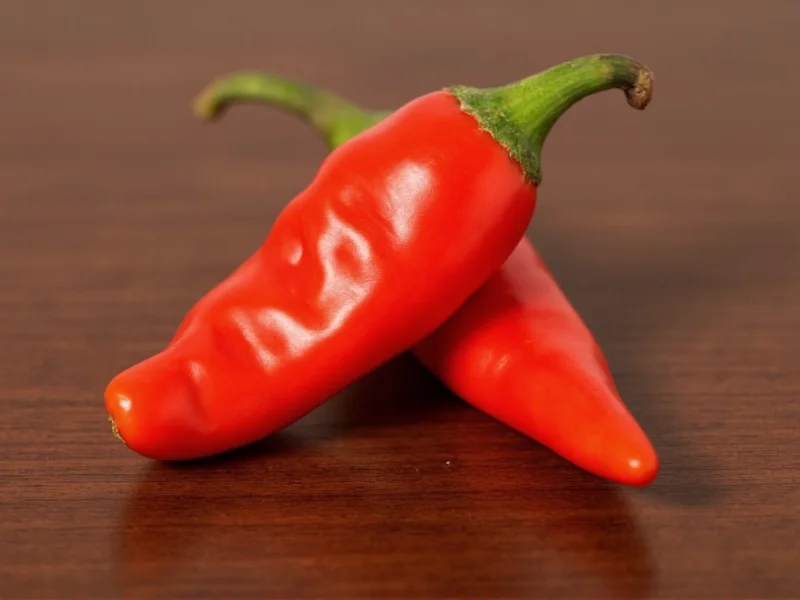
The scotch bonnet pepper is a fiery chili variety measuring 100,000-350,000 Scoville Heat Units (SHU), known for its distinctive fruity flavor with tropical notes of apricot and citrus. Native to the Caribbean, particularly Jamaica, this lantern-shaped pepper ranges from vibrant red to orange, yellow, and even chocolate brown when mature. Unlike milder peppers, scotch bonnets require careful handling due to their intense capsaicin content, but they're essential in authentic Caribbean jerk seasoning, hot sauces, and traditional island cuisine.
When you encounter a scotch bonnet pepper at your local market or in a recipe, you're dealing with one of the world's hottest edible peppers. This Caribbean culinary staple packs significantly more heat than jalapeños (which measure just 2,500-8,000 SHU) and rivals the habanero in both spiciness and flavor complexity. Understanding how to properly select, handle, and incorporate scotch bonnets can transform your cooking while preventing painful kitchen mishaps.
Understanding Scotch Bonnet Heat Levels
Scotch bonnet peppers register between 100,000 and 350,000 Scoville Heat Units on the official heat scale, placing them firmly in the 'very hot' category. To put this in perspective:
| Pepper Variety | Scoville Heat Units | Relative Heat Comparison |
|---|---|---|
| Scotch Bonnet | 100,000-350,000 SHU | 30-140x hotter than jalapeño |
| Habanero | 100,000-350,000 SHU | Nearly identical heat range |
| Jalapeño | 2,500-8,000 SHU | Baseline for comparison |
| Serrano | 10,000-23,000 SHU | 3-10x milder than scotch bonnet |
While scotch bonnets and habaneros share similar heat measurements, many chefs note subtle differences in their heat profiles. Scotch bonnets deliver a slower-building, more sustained burn that spreads across your entire mouth, whereas habaneros often produce a sharper, more immediate heat sensation. This distinction matters when creating balanced dishes where heat integration is crucial.
Distinctive Flavor Profile Beyond the Heat
What truly sets the scotch bonnet apart from other super-hot peppers is its complex flavor profile. While many hot peppers offer little beyond capsaicin burn, scotch bonnets provide:
- Pronounced tropical fruit notes (apricot, mango, and citrus)
- Subtle smokiness when fully ripe
- Floral undertones that complement Caribbean spices
- A sweet-heat balance that enhances rather than overwhelms dishes
This flavor complexity explains why scotch bonnets are irreplaceable in authentic Jamaican jerk seasoning, where their fruity notes marry perfectly with allspice, thyme, and ginger. When selecting peppers, look for those with deep coloration and slight wrinkling, which indicates peak ripeness and optimal flavor development.
Culinary Applications Across Global Cuisines
Though most associated with Caribbean cooking, scotch bonnet peppers have found their way into diverse culinary traditions. Professional chefs utilize them in specific ways to maximize flavor while managing heat:
In traditional Jamaican cuisine, scotch bonnets appear in:
• Jerk seasoning - Whole peppers are often left intact during marinating, then removed before serving
• Pepper pot soup - Provides foundational heat with minimal visible pieces
• Hot sauces - Blended with vinegar, fruits, and spices for balanced heat
Modern culinary applications include:
• Fruit salsas - Where the pepper's tropical notes complement mango or pineapple
• Infused oils - For controlled heat distribution in finishing dishes
• Marinades for seafood - The acidity of citrus-based marinades helps extract flavor without excessive heat
Safe Handling Practices for Home Cooks
Working with scotch bonnet peppers requires proper safety precautions due to their high capsaicin concentration. Many home cooks experience painful consequences from improper handling. Follow these evidence-based safety practices:
- Always wear disposable gloves when handling whole or cut peppers
- Avoid touching your face, especially eyes and nose, during preparation
- Use dedicated cutting boards that won't transfer oils to other foods
- Wash hands thoroughly with soap for at least 20 seconds after handling, even when wearing gloves
- Never use bare hands to remove seeds - the highest concentration of capsaicin resides in the placental membrane surrounding seeds
If you accidentally get pepper oils on your skin, immediately wash with soap and cold water (hot water opens pores and increases absorption). For persistent burning, apply milk or yogurt which contains casein that binds to capsaicin. Avoid using alcohol-based solutions as they can spread the oils rather than neutralize them.
Growing Your Own Scotch Bonnets
For gardening enthusiasts interested in cultivating scotch bonnet peppers, these tropical plants require specific growing conditions:
Climate requirements:
• Minimum 75°F (24°C) daytime temperatures
• 65-85°F (18-29°C) nighttime temperatures
• 90-150 frost-free days for full maturity
Soil and watering:
• Well-draining soil with pH 6.0-6.8
• Consistent moisture without waterlogging
• Mulching to maintain soil temperature
Starting from seeds requires patience, as scotch bonnet seeds can take 2-3 weeks to germinate. Many gardeners achieve better results by starting seeds indoors 8-10 weeks before the last frost date, using a heat mat to maintain consistent soil temperature around 80-85°F (27-29°C).
Effective Substitutes When Scotch Bonnets Are Unavailable
Finding authentic scotch bonnet peppers can be challenging outside Caribbean communities. When you need a substitute for scotch bonnet pepper in recipes, consider these alternatives based on your specific needs:
- Habanero peppers - Nearly identical heat and similar flavor profile (use 1:1 ratio)
- Trinidad Moruga Scorpion - Significantly hotter (1.2 million SHU), use 1/3 the amount
- Sazon culantro y achiote - Commercial seasoning blend that mimics some flavor notes
- Chipotle peppers in adobo - For smoky heat with less fruitiness (use 2:1 ratio)
- Thai bird's eye chilies with mango puree - For heat plus tropical fruit notes
When substituting, remember that scotch bonnets contribute both heat AND distinctive flavor. Simply replacing with another hot pepper often misses the nuanced fruitiness that defines authentic Caribbean dishes. For best results, combine a milder hot pepper with a touch of mango or apricot preserves to approximate the complete flavor profile.
Preservation Techniques for Long-Term Use
Scotch bonnet peppers have a relatively short fresh shelf life. To extend their usability throughout the year, consider these preservation methods:
Freezing whole peppers:
• Wash and dry peppers thoroughly
• Place in airtight freezer bags with minimal air
• Frozen peppers can be used directly in cooking without thawing
Drying techniques:
• Air drying in mesh bags in a warm, dry location
• Dehydrator method at 135°F (57°C) for 12-24 hours
• Oven drying at lowest setting with door slightly ajar
Dried scotch bonnets can be ground into flakes or powder for convenient use in rubs and seasonings. The drying process concentrates the heat slightly while mellowing some of the fresh pepper's sharpness, creating a more complex flavor profile ideal for certain applications.
Nutritional Benefits Worth Noting
Beyond their culinary applications, scotch bonnet peppers offer notable nutritional advantages. Like other chili peppers, they contain capsaicin which has been studied for potential health benefits including:
- Metabolism-boosting properties that may support weight management
- Anti-inflammatory effects that could help reduce certain types of pain
- Rich vitamin C content (one pepper provides over 100% of daily requirement)
- Antioxidants like beta-carotene that support immune function
However, these benefits should be considered alongside the intense heat that may not suit everyone's digestive system. Individuals with gastrointestinal sensitivities should consume scotch bonnets in very limited quantities or avoid them altogether.
How does scotch bonnet compare to habanero in heat and flavor?
Scotch bonnets and habaneros share nearly identical Scoville ratings (100,000-350,000 SHU), but differ in flavor profile. Scotch bonnets have more pronounced tropical fruit notes with apricot and citrus undertones, while habaneros tend toward a sharper, more citrus-forward flavor. The heat from scotch bonnets builds more gradually and spreads across the entire mouth, whereas habaneros often deliver a more immediate, concentrated burn.
What's the best way to reduce scotch bonnet heat in a dish that's too spicy?
To reduce excessive heat from scotch bonnets in a prepared dish, add dairy products like yogurt or coconut milk which contain casein that binds to capsaicin. Acidic components like lime juice can also help balance heat perception. For future reference, remove the white placental membrane (which contains the highest concentration of capsaicin) before cooking, and consider using less pepper initially as you can always add more heat but cannot remove it once incorporated.
Can you eat scotch bonnet peppers raw?
Yes, scotch bonnet peppers can be eaten raw, but extreme caution is advised due to their intense heat. Many Caribbean dishes feature raw scotch bonnets in small quantities, such as in fresh pepper sauces or as a flavoring agent in salads. Never consume large quantities of raw scotch bonnets, as this can cause significant gastrointestinal distress. Always wear gloves when handling raw peppers and avoid contact with sensitive areas.
How long do fresh scotch bonnet peppers last in the refrigerator?
Fresh scotch bonnet peppers stored in the crisper drawer of your refrigerator typically last 2-3 weeks. For optimal shelf life, keep them in a paper bag rather than plastic to prevent moisture buildup. Check regularly for soft spots or mold. If you notice any wrinkling or softening, use them immediately or preserve them through freezing or drying to extend their usability.
Why are they called 'scotch bonnet' peppers?
The name 'scotch bonnet' comes from the pepper's distinctive shape, which resembles the traditional Scottish tam-o'-shanter hat (often called a 'bonnet'). Despite the name suggesting Scottish origin, scotch bonnets are native to the Caribbean. The name likely originated from British colonists in the West Indies who noted the visual similarity between the pepper's shape and their traditional headwear.




 浙公网安备
33010002000092号
浙公网安备
33010002000092号 浙B2-20120091-4