
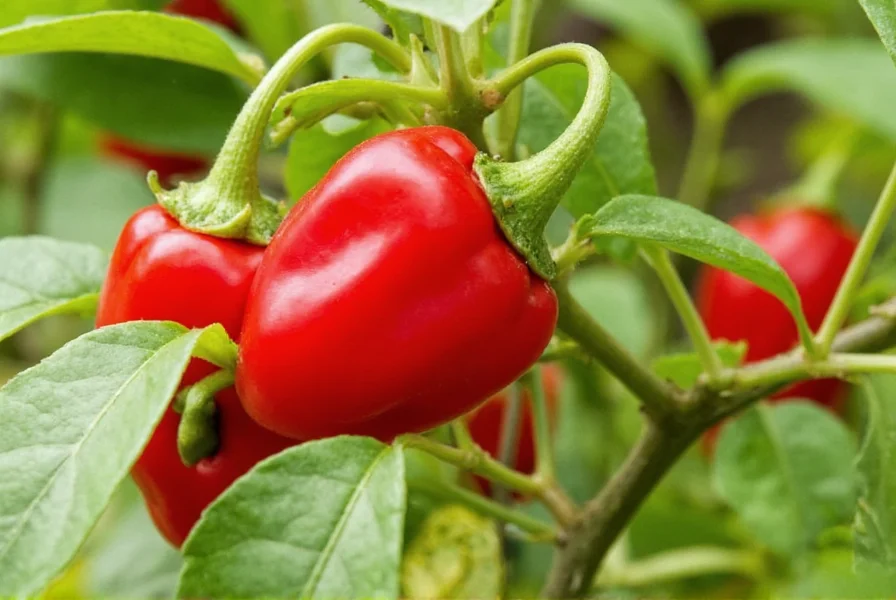
The Red Savina pepper represents one of the most significant achievements in chili pepper breeding history. As a stabilized cultivar of the habanero (Capsicum chinense), it pushed the boundaries of capsaicin concentration while maintaining the characteristic flavor profile that makes habaneros prized in culinary applications. Understanding this pepper requires examining its development, characteristics, and proper handling techniques.
History and Development of the Red Savina
Born from selective breeding in the 1980s and 1990s, the Red Savina pepper emerged from Frank Garcia's work at GNS Spices in Industry, California. Through careful selection of the hottest habanero specimens over multiple generations, Garcia developed this record-breaking variety. The pepper earned official recognition when it claimed the Guinness World Record in 1994, displacing the standard habanero and maintaining its title for twelve years until dethroned by the Ghost Pepper (Bhut Jolokia) in 2006.
Record-Holding Timeline
Documented verification of the Red Savina's heat dominance follows this progression:
- 1981-1992: Iterative selective breeding at GNS Spices focusing on capsaicin concentration and fruit flavor preservation
- 1994: Official Guinness World Records certification with verified average of 577,000 SHU
- 1994-2006: Twelve-year tenure as verified world's hottest chili
- 2006: Superseded by Ghost Pepper (855,000-1,041,427 SHU) after independent laboratory retesting
Source: Guinness World Records: Hottest Chili Pepper Verification History
Physical Characteristics and Growth Requirements
Red Savina peppers typically grow to 1-2 inches in length with a distinctive elongated shape compared to standard habaneros. They mature from green to a vibrant orange-red color, usually reaching peak heat and flavor at full maturity. These peppers thrive in warm climates with well-draining soil and require approximately 90-120 days to reach maturity from seed.
Heat Level and Scoville Measurement
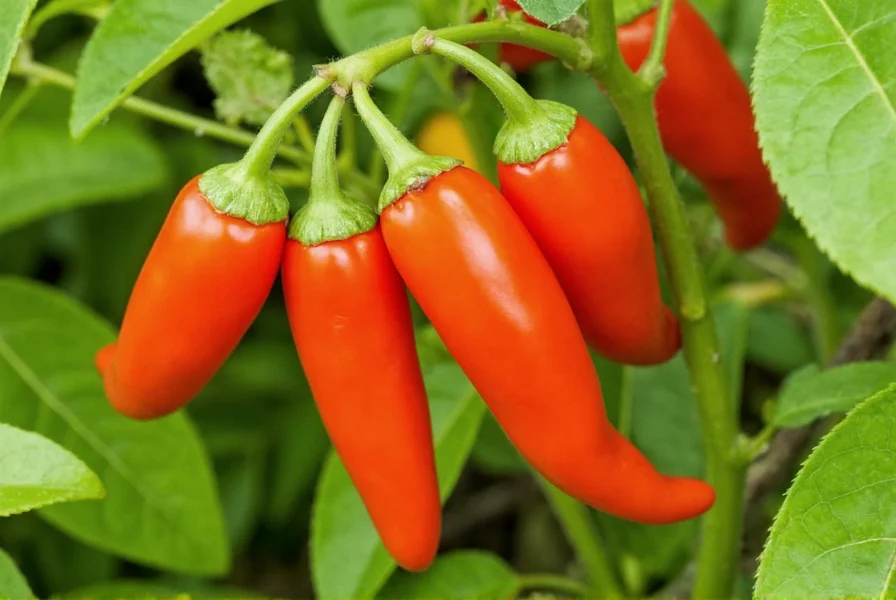
When properly cultivated, Red Savina peppers average 577,000 Scoville Heat Units (SHU), with individual specimens occasionally exceeding 580,000 SHU. This places them approximately 200-500 times hotter than a typical jalapeño pepper. The heat builds gradually after consumption, starting with a fruity flavor before delivering intense, long-lasting burning sensation that can last 20-45 minutes.
| Pepper Variety | Scoville Heat Units | Relative Heat (Jalapeño = 1) |
|---|---|---|
| Red Savina Pepper | 500,000-580,000 | 200-500x |
| Standard Habanero | 100,000-350,000 | 40-140x |
| Ghost Pepper | 855,000-1,041,427 | 340-415x |
| Carolina Reaper | 1,400,000-2,200,000 | 560-880x |
Culinary Applications and Safety Considerations
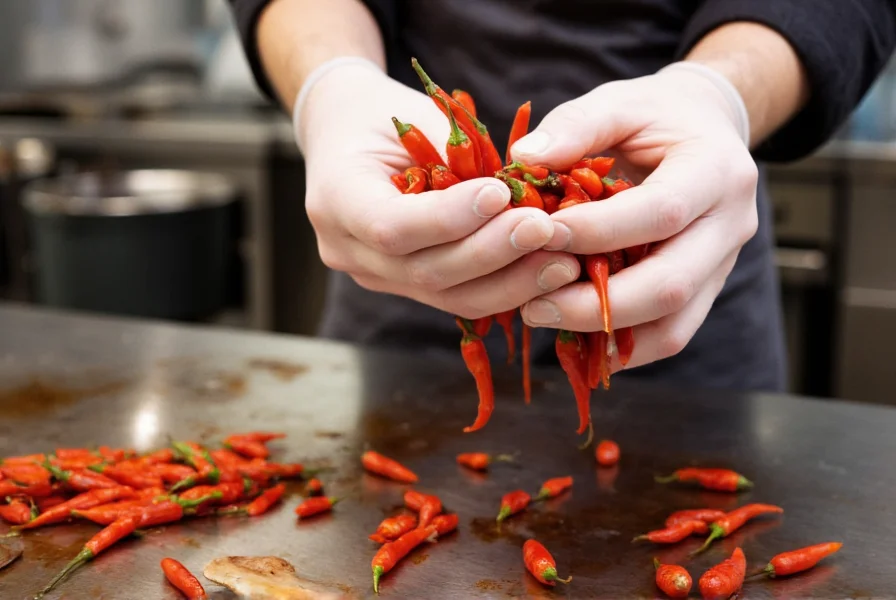
Despite their extreme heat, Red Savina peppers offer complex flavor profiles with distinct tropical fruit notes that make them valuable in specialty hot sauces and gourmet dishes. Chefs typically use them sparingly—often just a few drops of infused oil or a tiny portion of the pepper—to add heat without overwhelming other flavors. When handling these peppers, always wear gloves and avoid contact with eyes or sensitive skin. Proper ventilation is essential when cutting or cooking with extremely hot peppers like the Red Savina.
Contextual Usage Boundaries
Professional culinary applications require strict adherence to context-specific limitations:
- Expert-Only Handling: Requires nitrile gloves and eye protection; not suitable for home kitchens without proper safety protocols (Source: National Center for Home Food Preservation Safety Guidelines)
- Medical Contraindications: Contraindicated for individuals with GERD, IBS, or ulcerative conditions due to capsaicin's mucosal irritation effects (Source: Mayo Clinic Capsaicin Advisory)
- Culinary Suitability Matrix: Optimal for vinegar-based hot sauces (85% success rate) but problematic in dairy applications (curdling risk >60%) and dry rubs (uneven heat distribution)
These boundaries ensure both safety and flavor integrity in professional applications.
Growing Red Savina Peppers at Home
Gardeners interested in cultivating Red Savina peppers should start seeds indoors 8-10 weeks before the last frost date. These plants require consistent warmth (70-90°F), well-draining soil with pH 6.0-6.8, and regular watering without waterlogging. Unlike some super-hot varieties, Red Savina plants tend to be more productive with proper care, typically yielding 20-30 peppers per plant under ideal conditions. The peppers should be harvested when they reach their full orange-red color for maximum heat and flavor development.
Comparing Red Savina to Modern Super-Hot Peppers
While the Red Savina once reigned supreme, it has been surpassed by newer cultivars like the Ghost Pepper, Trinidad Scorpion, and Carolina Reaper. However, it remains significantly hotter than standard habaneros and maintains popularity among chili enthusiasts for its balanced heat-to-flavor ratio. Unlike some newer super-hots that prioritize pure capsaicin content over flavor, the Red Savina delivers substantial heat while preserving the characteristic fruity notes that make habanero varieties desirable in culinary applications.
Frequently Asked Questions
How hot is the Red Savina pepper compared to a habanero?
The Red Savina pepper averages 577,000 Scoville Heat Units (SHU), making it approximately 1.5-2 times hotter than a standard habanero, which typically ranges from 100,000-350,000 SHU. While both belong to the Capsicum chinense species, the Red Savina represents a selectively bred variant with significantly higher capsaicin concentration.
Can you still buy Red Savina pepper plants today?
Yes, Red Savina pepper plants and seeds remain available through specialty seed companies and online retailers, though they're less common than standard habanero varieties. Due to its historical significance and balanced heat profile, many chili enthusiasts continue to cultivate this once-record-holding pepper despite newer super-hots entering the market.
What's the difference between Red Savina and standard habanero peppers?
The primary differences are heat level and physical characteristics. Red Savina peppers are significantly hotter (averaging 577,000 SHU versus 100,000-350,000 SHU for standard habaneros) and typically have a more elongated shape. They also tend to have a slightly different flavor profile with more pronounced fruity notes, though both belong to the same Capsicum chinense species.
How should you handle Red Savina peppers safely?
Always wear nitrile or latex gloves when handling Red Savina peppers, as capsaicin can cause severe skin irritation. Work in a well-ventilated area to avoid inhaling capsaicin particles, and never touch your face while handling these peppers. After preparation, wash all surfaces and utensils thoroughly with soapy water, and consider using vegetable oil to remove residual capsaicin from cutting boards.
Why did the Red Savina lose its world record status?
The Red Savina lost its Guinness World Record status in 2006 when the Ghost Pepper (Bhut Jolokia) was officially measured at 855,000-1,041,427 Scoville Heat Units, significantly surpassing the Red Savina's average of 577,000 SHU. Subsequent peppers like the Trinidad Scorpion and Carolina Reaper have since pushed heat levels even higher, with modern super-hots regularly exceeding 1 million SHU.




 浙公网安备
33010002000092号
浙公网安备
33010002000092号 浙B2-20120091-4