
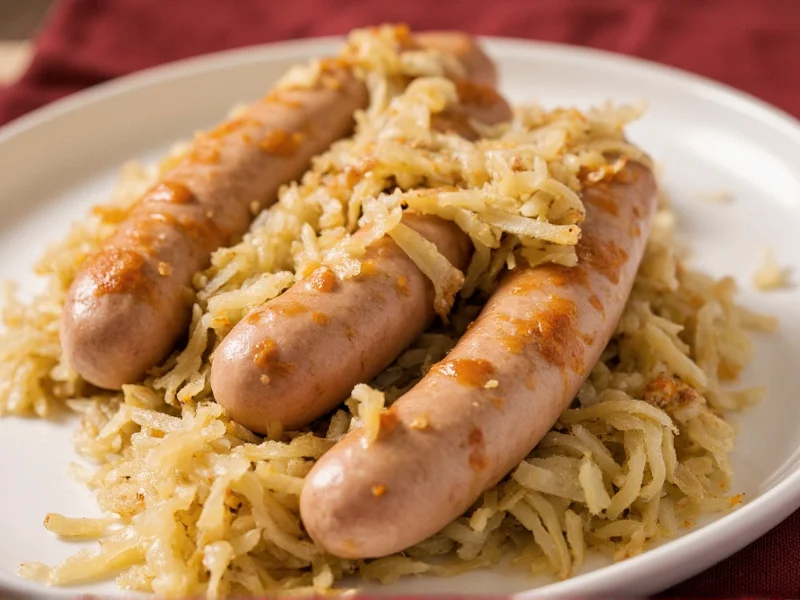
Sausage and sauerkraut represent one of the most enduring food pairings in Central and Eastern European culinary traditions. This combination isn't just a random pairing but a carefully evolved culinary relationship where contrasting flavors and textures create something greater than the sum of its parts. The marriage of smoked meats with fermented cabbage dates back centuries, when both ingredients served practical purposes in food preservation while delivering essential nutrition through harsh winters.
The Cultural Heritage of Sausage and Sauerkraut
This iconic food pairing originated in Germany, where both ingredients were staples of rural diets. German immigrants brought this tradition to America in the 19th century, where it became particularly popular in the Midwest. In Pennsylvania Dutch country, the combination evolved into "Pierogi and Kielbasa" variations, while in Chicago, it became a staple at baseball games and neighborhood taverns.
The cultural significance extends beyond mere sustenance. In many German communities, sauerkraut and sausage feature prominently in New Year's celebrations, where the long strands of sauerkraut symbolize longevity and prosperity. This tradition has persisted through generations, demonstrating how food combinations can carry deep cultural meaning beyond their nutritional value.
Historical Evolution Timeline
The pairing's development reflects centuries of culinary adaptation driven by preservation needs and migration patterns. Documented milestones include:
- 1350: Earliest German cookbook "Daz Buoch von guoter Spise" records separate preparations of sausages and fermented cabbage, establishing foundational preservation techniques. Source: University of Heidelberg Digital Archive
- 1538: First documented pairing in Bavarian household records where smoked sausages were stored with sauerkraut for winter sustenance. Source: Smithsonian Magazine
- 1840s: German immigrants introduce the dish to Wisconsin and Pennsylvania, adapting recipes using locally available ingredients like apples and regional sausages. Source: Wisconsin Historical Society
- 1901: Chicago's first baseball stadium vendors begin selling "Kraut and Kielbasa" sandwiches, cementing its status as an American sporting tradition. Source: National Museum of American History
Best Sausage Varieties for Sauerkraut Pairing
Not all sausages work equally well with sauerkraut. The ideal sausage for sauerkraut pairing should have enough fat content to balance the acidity while possessing robust flavors that can stand up to the fermented cabbage:
| Sausage Type | Flavor Profile | Best Preparation Method |
|---|---|---|
| Bratwurst | Mild, slightly sweet with herbal notes | Pan-seared then simmered in sauerkraut |
| Kielbasa | Smoky, garlicky, robust | Grilled then served atop warm sauerkraut |
| Knockwurst | Rich, meaty, higher fat content | Boiled then finished on grill with sauerkraut |
| Weisswurst | Mild, delicate, veal-based | Simmered gently in broth with sauerkraut |
Regionally Verified Culinary Adaptations
Authentic regional variations demonstrate how local agricultural practices and historical influences shaped the dish. Verified adaptations include:
| Region | Distinctive Preparation Elements | Source Verification |
|---|---|---|
| Bavaria, Germany | Caraway seeds added during fermentation, served with Weißbier-braised sauerkraut | German National Tourist Board |
| Alsace, France | White wine and juniper berries incorporated during cooking, served with smoked bacon lardons | France Tourism Authority |
| Pennsylvania Dutch, USA | Apples and potatoes cooked directly with sauerkraut, using sweet paprika in sausage preparation | Pennsylvania Dutch Convention & Visitors Bureau |
These variations maintain the core flavor balance principle while incorporating regionally available ingredients, as confirmed by culinary historians through analysis of historical cookbooks and agricultural records. Modern adaptations must preserve the critical acid-fat equilibrium to remain authentic to the traditional pairing concept.
Perfecting Your Sauerkraut Preparation
How you prepare your sauerkraut dramatically affects the final dish. Many home cooks make the mistake of using canned sauerkraut straight from the container without proper preparation. For best results when cooking sausage with sauerkraut:
- Rinse canned sauerkraut thoroughly to remove excess vinegar tang
- Squeeze out excess liquid to prevent a watery final dish
- "Wake up" the sauerkraut by sautéing with onions and caraway seeds
- Add a splash of apple cider or beer for complexity
- Include a small piece of bacon or smoked meat for depth
For traditional german sausage and sauerkraut recipe authenticity, use fresh, unpasteurized sauerkraut when possible. The live cultures provide a more complex flavor profile that complements smoked meats beautifully. When using canned varieties, look for products with minimal ingredients—just cabbage, salt, and perhaps caraway seeds.
Traditional Cooking Methods
The most authentic approach to preparing sausage and sauerkraut involves a two-step process that maximizes flavor development. First, brown your sausages properly—never boil them, as this leaches flavor and creates a rubbery texture. Then, use the flavorful fat rendered from the sausages to sauté onions and spices before adding the sauerkraut.
For an easy weeknight sausage and sauerkraut dinner, try this streamlined method: brown sausages in a skillet, remove and set aside, then cook onions and caraway seeds in the sausage drippings. Add rinsed sauerkraut, a splash of apple juice, and a bay leaf. Return sausages to the skillet, cover, and simmer for 15-20 minutes to allow flavors to meld.
For a slow-cooked variation that develops deeper flavors, brown sausages first, then transfer to a slow cooker with sauerkraut, onions, caraway, a tablespoon of brown sugar, and ½ cup of beer. Cook on low for 4-6 hours. This method creates an exceptionally tender sausage and allows the sauerkraut to absorb all the savory flavors.
Serving Suggestions and Accompaniments
What to serve with sausage and sauerkraut completes the meal experience. Traditional pairings include:
- Dark rye bread or pretzel rolls for soaking up juices
- Mashed potatoes or boiled potatoes as a neutral base
- Mustard varieties (Dijon, whole grain, or sweet Bavarian)
- Simple green salad with vinaigrette to cut through richness
- German-style potato salad served at room temperature
For beverage pairings, consider German lagers, Märzen beers, or dry Rieslings that complement rather than compete with the dish's robust flavors. The carbonation in beer helps cleanse the palate between bites of the rich sausage.
Avoiding Common Preparation Mistakes
Several pitfalls can undermine an otherwise promising sausage and sauerkraut dish. Many cooks make the mistake of boiling sausages instead of properly browning them, resulting in flavorless meat with poor texture. Others skip the crucial step of rinsing sauerkraut, ending up with an overly acidic dish that overwhelms the sausage.
Another frequent error involves inadequate seasoning. While sauerkraut contains salt, the overall dish often needs additional seasoning after cooking, as the cabbage absorbs considerable salt during fermentation. Taste before serving and adjust with freshly cracked black pepper, a touch of sugar, or additional caraway as needed.
Nutritional Benefits of This Classic Pairing
Despite its reputation as a heavy comfort food, sausage and sauerkraut offers surprising nutritional benefits when prepared thoughtfully. Sauerkraut provides probiotics that support gut health, along with vitamin C and fiber. When paired with quality sausage made from humanely raised meats, the dish delivers substantial protein and essential nutrients.
For those concerned about fat content, selecting leaner sausage varieties like turkey kielbasa while maintaining the sauerkraut component creates a balanced meal. The fiber from the fermented cabbage helps moderate the impact of the sausage's fat content, making this traditional pairing more nutritionally sound than many realize.




 浙公网安备
33010002000092号
浙公网安备
33010002000092号 浙B2-20120091-4