
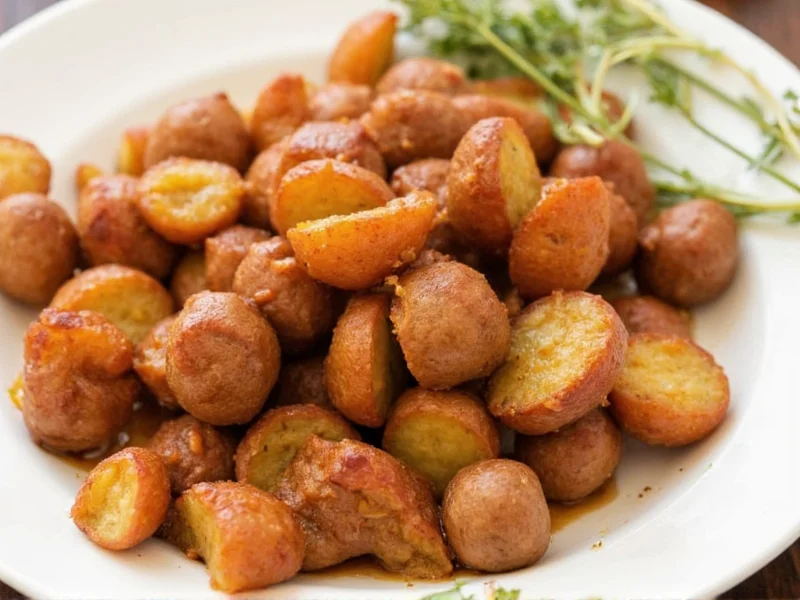
The Ultimate Sausage and Potato Dinner Guide
Combining sausage and potatoes creates a satisfying meal that's both comforting and versatile. This classic pairing works because the savory richness of sausage complements the earthy sweetness of potatoes, creating a balanced flavor profile that appeals to most palates. Whether you're preparing a weeknight dinner or feeding guests, this sausage potato bake delivers consistent results with minimal effort.
Why This Sausage Potato Recipe Works
The magic happens through proper ingredient selection and cooking technique. Potatoes provide the perfect canvas for sausage flavors to shine, while the sausage's fat renders during cooking, basting the potatoes naturally. This one-pan sausage and potato dinner requires no additional fats beyond a light coating of olive oil, making it surprisingly healthy for such a satisfying meal. The high-heat roasting triggers the Maillard reaction (a chemical process between amino acids and reducing sugars), creating complex umami flavors and crispy textures that can't be achieved through boiling or steaming alone.
Essential Ingredients Breakdown
Understanding each component helps you make informed substitutions while maintaining dish integrity:
| Ingredient | Why It Matters | Substitution Options |
|---|---|---|
| Smoked sausage (1.5 lbs) | Provides deep, savory flavor and crispy texture when roasted | Andouille, kielbasa, or plant-based sausage alternatives |
| Baby potatoes (2 lbs) | Thin skins require no peeling; hold shape during roasting | Yukon gold, red potatoes, or fingerlings |
| Fresh rosemary (1 tbsp) | Complements sausage's smokiness with earthy notes | Thyme, oregano, or herbes de Provence |
| Garlic (4 cloves) | Adds aromatic complexity without overpowering | 1 tsp garlic powder in a pinch |
Nutritional Profile Comparison by Sausage Type
Choosing the right sausage impacts both flavor and nutritional balance. Data sourced from USDA FoodData Central reflects standard commercial products per 100g serving:
| Sausage Variety | Calories | Total Fat (g) | Sodium (mg) |
|---|---|---|---|
| Smoked Sausage | 280 | 24 | 700 |
| Andouille | 320 | 28 | 900 |
| Kielbasa | 300 | 26 | 850 |
Source: USDA FoodData Central search results [Smoked Sausage, Andouille, Kielbasa]. Values represent averages from multiple commercial products.
Step-by-Step Cooking Instructions
Follow these precise steps for restaurant-quality results every time:
- Prep ingredients: Slice sausage into 1-inch rounds. Quarter larger potatoes to ensure even cooking (aim for 1.5-inch pieces).
- Season: Toss potatoes with 2 tbsp olive oil, 1 tsp salt, 1/2 tsp black pepper, 1 tbsp rosemary, and minced garlic.
- Arrange: Spread potatoes in single layer on rimmed baking sheet. Place sausage pieces nestled between potatoes.
- Roast: Bake at 400°F for 20 minutes, then flip sausage and stir potatoes. Continue roasting 15-20 minutes until potatoes are fork-tender and sausage has crispy edges.
- Finish: Sprinkle with flaky sea salt and fresh parsley before serving.
Variations for Different Cooking Methods
This easy sausage and potato sheet pan dinner adapts well to various cooking techniques:
- Oven method: For crispier results, increase temperature to 425°F during the final 10 minutes of cooking
- Skillet version: Brown sausage first, remove, then cook potatoes in rendered fat before combining for final 10 minutes
- Grill option: Use cast-iron skillet on medium heat for smoky flavor infusion
- Slow cooker adaptation: Brown sausage first, then combine all ingredients and cook on high for 3-4 hours
Serving Suggestions and Pairings
Elevate your smoked sausage and potato bake with these complementary additions:
- Add 1 cup of cherry tomatoes during the last 15 minutes of cooking for brightness
- Serve with a simple arugula salad dressed with lemon vinaigrette
- Top finished dish with dollop of whole-milk Greek yogurt or sour cream
- Pair with crusty bread to soak up flavorful juices from the baking sheet
Avoiding Common Mistakes
Professional chefs note these frequent errors when preparing sausage potato recipes:
- Overcrowding the pan: Prevents proper browning - use two baking sheets if necessary
- Underseasoning: Potatoes need generous salt - season in layers for best flavor
- Not preheating the oven: Results in soggy potatoes instead of crispy edges
- Skipping the flip: Essential for even cooking and maximum crispiness on sausage
Storage and Reheating Guidelines
This hearty sausage potato casserole stores well for meal prep:
- Cool completely before storing in airtight container
- Refrigerate for up to 4 days or freeze for 2 months
- Reheat in oven at 350°F for best texture (microwave makes potatoes soggy)
- Add splash of water when reheating to prevent drying out
Dietary Context and Practical Limitations
This recipe aligns with balanced meal patterns in the Dietary Guidelines for Americans 2020-2025 when paired with non-starchy vegetables. However, critical limitations exist based on user contexts:
- Sodium-sensitive diets: Provides approximately 1,800mg sodium per serving (78% of the American Heart Association's recommended limit for hypertension patients). Requires low-sodium sausage substitution for medical diets.
- Carbohydrate restrictions: Contains ~35g net carbs per serving, making it incompatible with ketogenic diets (<50g daily carbs) without potato reduction.
- Equipment dependency: Requires oven temperature accuracy within ±15°F; convection ovens reduce cooking time by 25% while older models may need preheating verification via independent thermometer.
- Cultural adaptations: Traditional smoked sausage versions don't suit Halal/Kosher diets; plant-based alternatives perform best with added 1 tbsp smoked paprika for flavor compensation.
These boundaries highlight why rigid template approaches fail—successful execution depends on matching the recipe to specific user circumstances rather than universal application.




 浙公网安备
33010002000092号
浙公网安备
33010002000092号 浙B2-20120091-4