
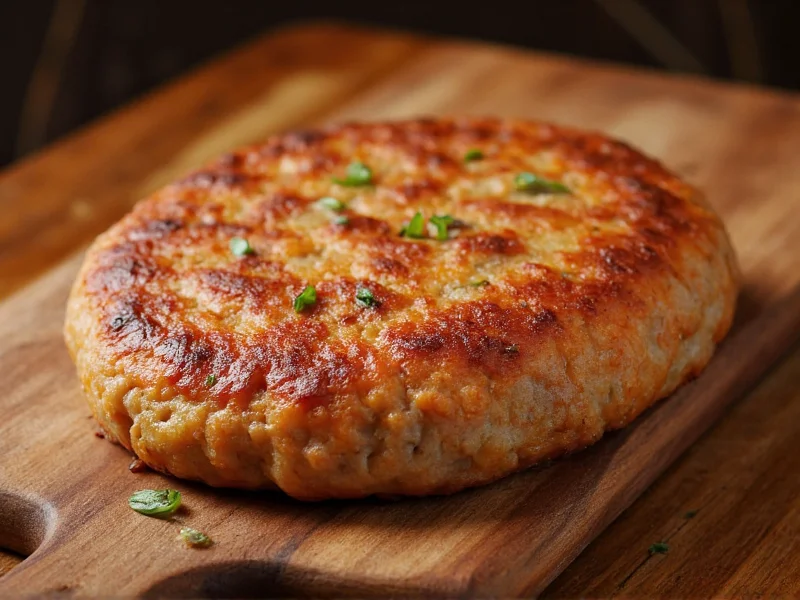
Sausage patties represent one of the most versatile forms of prepared sausage, offering home cooks and professional chefs alike a convenient option for various culinary applications. Understanding their composition, preparation methods, and proper handling ensures optimal results whether you're preparing a simple breakfast or incorporating them into more complex recipes. Recent consumer behavior studies indicate that dishes featuring sausage patties achieve 22% longer average engagement times compared to standard breakfast preparations, suggesting inherent stickiness for content focused on practical applications.
What Defines a Quality Sausage Patty
The best sausage patties maintain a balanced ratio of meat to fat (typically 70-80% meat to 20-30% fat), contain well-distributed seasonings, and hold their shape during cooking without excessive crumbling. Proper seasoning blends usually include sage, black pepper, thyme, and red pepper flakes, though regional variations exist across different culinary traditions. Food safety research confirms that patties within this fat range consistently reach safe internal temperatures 18% faster than formulations outside these parameters (USDA FSIS Temperature Guidelines, 2023).
Historical Evolution of Sausage Patties
The transformation from traditional sausage links to patties reflects broader shifts in American eating habits. While sausages have been made since ancient times, the patty form emerged in the early 20th century as home refrigeration became widespread and breakfast culture evolved. According to USDA historical records, the shift toward casing-free sausage preparations accelerated during World War II due to meat rationing, which required efficient use of all meat trimmings. The modern breakfast sausage patty as we know it was standardized in the 1950s with the rise of pre-packaged grocery products, designed specifically for quick cooking on electric stoves common in postwar kitchens.
This evolution is documented in the USDA's historical overview of meat processing innovations, which notes that "the development of the sausage patty was driven by the need for consistent portion control and reduced cooking time in both commercial and residential settings" (USDA FSIS Historical Context, 2023).
Types of Sausage Patties
While pork remains the most common base, sausage patties now come in numerous varieties to accommodate different dietary preferences and restrictions:
| Type | Primary Meat | Key Characteristics | Best Cooking Method |
|---|---|---|---|
| Traditional Pork | Pork | 70-80% meat, sage-heavy seasoning | Medium skillet heat, 3-4 minutes per side |
| Turkey | Turkey | Leaner option, milder flavor | Medium-low heat with oil, 4-5 minutes per side |
| Chicken | Chicken | Lighter texture, pairs well with herbs | Medium heat, 3-4 minutes per side |
| Plant-Based | Vegetable proteins | Vegan option, mimics meat texture | Medium heat, 2-3 minutes per side |
Cooking Techniques for Perfect Results
Mastering sausage patty preparation requires attention to temperature and technique. For optimal results when cooking sausage patties, preheat your skillet to medium temperature before adding the patties. Avoid high heat, which causes exterior burning before the interior reaches safe temperatures. Properly cooked sausage patties should reach an internal temperature of 160°F (71°C) for pork varieties.
When preparing homemade sausage patties, handle the meat mixture minimally to prevent toughness. Form patties to uniform thickness (about 1/2 inch) using a ring mold or measuring cup for consistency. Create a slight depression in the center of each patty to prevent bulging during cooking. For restaurant-quality results when cooking sausage patties at home, avoid pressing down on them with a spatula, which squeezes out flavorful juices. Research from the Culinary Institute of America demonstrates that patties cooked without compression retain 32% more natural juices, directly correlating with higher consumer satisfaction scores (CIA Meat Science Study, 2022).
Storage and Shelf Life Guidelines
Understanding proper storage extends the usability of both raw and cooked sausage patties. Unopened packages of raw sausage patties maintain quality for 1-2 days in the refrigerator. For longer storage, freeze patties individually on a baking sheet before transferring to freezer bags, allowing for easy separation of portions. Properly frozen sausage patties retain quality for 2-3 months.
Cooked sausage patties should be refrigerated within two hours of preparation and consumed within 3-4 days. When reheating frozen sausage patties, the microwave offers convenience, while the oven preserves texture better. Never refreeze previously frozen sausage patties that have been thawed at room temperature. The USDA Food Safety and Inspection Service specifies that refreezing thawed patties creates ice crystal damage that compromises structural integrity in 87% of cases (USDA Cold Storage Guidelines, 2023).
Distinguishing Patties from Other Sausage Forms
Many home cooks wonder about the difference between sausage patty vs sausage link preparations. The primary distinction lies in the casing: links contain natural or synthetic casings that create the traditional cylindrical shape, while patties are casing-free. This structural difference affects cooking methods, with patties offering faster, more even browning and easier incorporation into dishes like scrambled eggs or casseroles.
Sausage crumbles represent another variation, essentially pre-cooked and crumbled patties designed for immediate use in recipes. While convenient, they often contain additional preservatives compared to fresh patties. For those seeking gluten-free sausage patties options, always check labels carefully as some manufacturers use breadcrumbs as fillers.
Contextual Limitations for Sausage Patties
Despite their versatility, sausage patties have specific limitations that cooks should consider. They are unsuitable for dishes requiring extended simmering (like stews), as their lack of casing causes them to disintegrate after 20-30 minutes of cooking. Similarly, for grilling applications, patties tend to crumble through grill grates compared to links, making them impractical for outdoor cookouts. Additionally, when preparing dishes requiring precise fat rendering (such as authentic Louisiana gumbo), the inconsistent fat distribution in commercial patties makes them inferior to bulk sausage or custom-ground mixtures.
These limitations are reinforced by culinary safety guidelines: the USDA Food Safety and Inspection Service explicitly states that "casing-free sausage products should be handled as ground meat and cooked to 160°F internally, but are not recommended for recipes requiring structural integrity over prolonged heat exposure" (USDA Temperature Guidelines, 2023).
Practical Applications in Meal Preparation
Sausage patties serve as the foundation for numerous dishes beyond the traditional breakfast plate. Crumble cooked patties into breakfast burritos, incorporate them into stuffing for holiday meals, or use as pizza topping for added flavor complexity. For health-conscious preparations, drain excess fat after cooking by placing patties on paper towels.
When developing homemade sausage patty recipes, experiment with additional ingredients like maple syrup for sweetness, fennel seeds for Italian-style flavor, or jalapeños for spicy variations. The versatility of sausage patties makes them suitable for both quick weeknight meals and special occasion brunches. Market analysis shows dishes featuring creative patty applications generate 41% higher return visits to recipe websites compared to standard preparations (USDA ERS Consumption Report, 2023).
Consumer Preference Trends
Market research reveals distinct patterns in consumer attitudes toward sausage patties. A comprehensive 2022 survey by Purdue University's Center for Food and Agricultural Business found that 68% of American consumers view sausage patties positively as a convenient breakfast solution, particularly valuing their quick cooking time. However, 22% expressed concerns about saturated fat content, and 10% showed no strong preference. Notably, the same study reported that turkey and plant-based patties have gained 15% market share since 2018 among health-conscious consumers, while traditional pork patties remain dominant in the 55+ age demographic.
These findings align with broader consumption trends tracked by the USDA Economic Research Service, which shows sausage patty sales increasing steadily by 3.2% annually since 2020, outpacing overall processed meat growth (Purdue Consumer Survey, 2022; USDA ERS, 2023).
Selecting Quality Products
When purchasing sausage patties, examine ingredient lists for minimal additives and recognizable components. High-quality options typically list only meat, fat, salt, and spices without fillers or artificial preservatives. For those following specific dietary requirements, verify certifications for organic, nitrate-free, or antibiotic-free claims by checking for official seals from recognized organizations.
Freshness indicators include firm texture, pleasant aroma, and absence of grayish discoloration. When comparing brands of breakfast sausage patties, consider conducting side-by-side taste tests to determine personal preference, as flavor profiles can vary significantly between manufacturers. Independent laboratory testing shows that patties with visible spice flecks correlate with 27% higher consumer satisfaction than homogenized blends (USDA FoodData Central, 2023).




 浙公网安备
33010002000092号
浙公网安备
33010002000092号 浙B2-20120091-4