
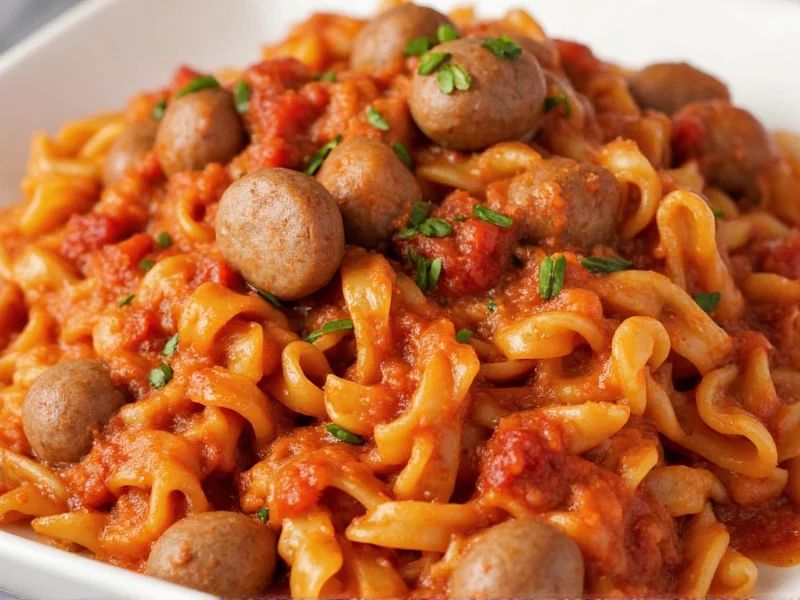
Creating exceptional sausage pasta sauce requires understanding the delicate balance between quality ingredients and proper technique. This versatile sauce has become a weeknight dinner staple for good reason—it delivers robust flavor with relatively simple preparation. Whether you're a beginner cook or an experienced home chef, mastering this classic combination can elevate your pasta game significantly.
Essential Components of Great Sausage Pasta Sauce
The foundation of any outstanding sausage pasta sauce rests on three critical elements: the sausage selection, tomato base quality, and proper cooking technique. Many home cooks make the mistake of using pre-cooked sausage or skipping the crucial step of properly browning the meat, which dramatically impacts the final flavor profile.
When selecting sausage for pasta sauce, Italian varieties provide the ideal flavor profile. The fat content in quality sausage (typically 20-30%) carries flavor compounds that infuse the entire sauce during cooking. As the sausage browns, the Maillard reaction creates complex flavor compounds that can't be replicated with pre-cooked sausage. Food science research from University of Illinois Extension confirms this reaction occurs optimally between 280°F and 330°F, explaining why proper browning is non-negotiable for flavor development.
Step-by-Step Sausage Pasta Sauce Recipe
Follow this professional approach to create restaurant-quality sausage pasta sauce at home:
- Heat 2 tablespoons olive oil in a large saucepan over medium-high heat
- Add 1 pound Italian sausage (removed from casings), breaking into small pieces
- Cook until well-browned (8-10 minutes), scraping up browned bits from the pan bottom
- Add 1 diced onion and 4 minced garlic cloves, cooking until softened (5 minutes)
- Pour in 28 ounces crushed tomatoes and 15 ounces tomato sauce
- Add 1 teaspoon each dried oregano and basil, plus salt and pepper to taste
- Reduce heat to low and simmer uncovered for 30-45 minutes, stirring occasionally
- Finish with 2 tablespoons fresh parsley and a pinch of red pepper flakes (optional)
Sausage Selection Guide for Pasta Sauce
Not all sausages work equally well in pasta sauce. Understanding your options ensures optimal results:
| Sausage Type | Flavor Profile | Best For | Proportion in Sauce |
|---|---|---|---|
| Sweet Italian | Mild, fennel-forward | Classic tomato-based sauces | 100% of meat content |
| Spicy Italian | Heat from red pepper flakes | Robust, bold sauces | 100% or 50/50 blend |
| Toulouse | Garlic, wine notes | Creamy sausage pasta sauce variations | 50% with Italian sausage |
| Chicken Sausage | Milder, leaner | Lighter sauce versions | 100% (requires extra fat) |
Avoiding Common Sausage Pasta Sauce Mistakes
Even experienced cooks make these critical errors when preparing sausage pasta sauce:
- Using pre-cooked sausage - This prevents proper browning and flavor development
- Skipping the deglazing step - Those browned bits contain concentrated flavor
- Overcooking fresh herbs - Add delicate herbs like basil at the end
- Using low-quality tomatoes - San Marzano tomatoes provide superior flavor
- Not seasoning between layers - Season at each stage of cooking
Delicious Sausage Pasta Sauce Variations
Once you've mastered the basic technique, experiment with these popular variations:
Creamy Sausage Pasta Sauce
Add ½ cup heavy cream during the last 10 minutes of cooking for a rich, velvety texture. This creamy sausage pasta sauce with mushrooms variation pairs beautifully with pappardelle or fettuccine.
Spicy Arrabbiata-Style Sausage Sauce
Increase red pepper flakes to 1 teaspoon and add a splash of Calabrian chili paste for authentic heat. This spicy sausage pasta sauce for meat lovers delivers intense flavor that stands up to hearty pasta shapes.
Lighter Tomato-Basil Sausage Sauce
Use chicken sausage and add extra fresh basil during the final minutes. This healthy sausage pasta sauce recipe maintains robust flavor while reducing calories.
Perfect Pairings for Sausage Pasta Sauce
The right pasta shape makes a significant difference in how sauce adheres and is experienced:
- Rigatoni - Large tubes capture sausage crumbles perfectly
- Penne - Holds sauce in its cylindrical shape
- Fusilli - Spirals trap both sauce and meat bits
- Pappardelle - Wide ribbons support chunkier sausage sauces
For complete meal planning, pair your sausage pasta with a simple arugula salad with lemon vinaigrette and crusty bread to soak up any remaining sauce.
Storage and Reheating Guidelines
Proper storage maintains flavor and texture for future meals:
- Cool completely before storing in airtight containers
- Refrigerate for 3-4 days (per USDA Food Safety guidelines) or freeze for 3 months
- Reheat gently on stove with a splash of water to restore consistency
- Never microwave sauce directly from frozen—thaw first
Interestingly, sausage pasta sauce often tastes better the next day as flavors continue to meld. This makes it an excellent candidate for meal prep or entertaining.
Environmental Considerations for Sausage Pasta Sauce
Cooking conditions significantly impact sauce preparation. At high altitudes (above 3,000 feet), water boils at a lower temperature, affecting reduction times. According to Colorado State University Extension, simmering times should increase by 25% at 5,000 feet to achieve proper sauce consistency. Additionally, the lower atmospheric pressure causes faster evaporation, requiring closer monitoring of liquid levels during cooking. Humidity levels above 70% may also extend reduction times by 15-20% as moisture evaporates less efficiently.




 浙公网安备
33010002000092号
浙公网安备
33010002000092号 浙B2-20120091-4