
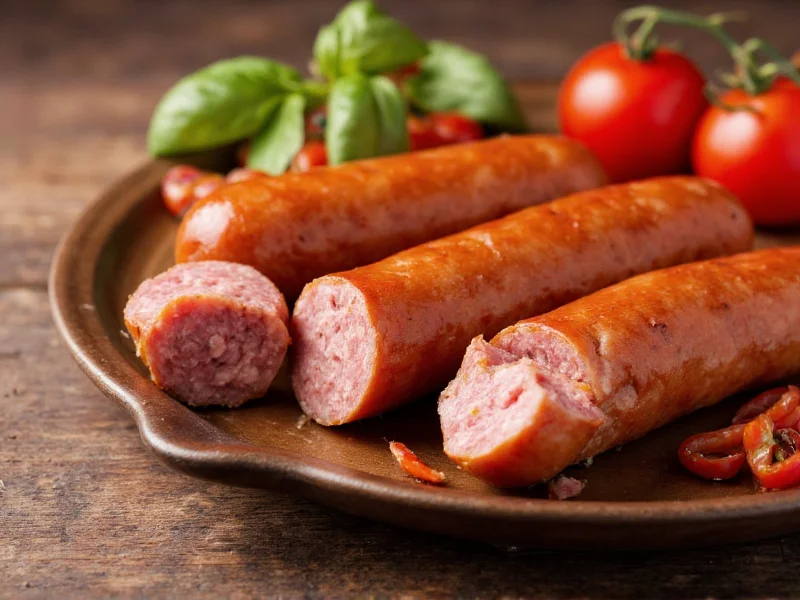
Italian cuisine boasts an impressive diversity of sausages, each reflecting the unique agricultural traditions and flavor preferences of its region. Unlike mass-produced sausages found elsewhere, authentic Italian varieties emphasize quality ingredients, traditional preparation methods, and regional identity. Understanding these distinctions helps both home cooks and culinary enthusiasts appreciate the depth of Italy's sausage-making heritage.
The Cultural Significance of Sausages in Italian Cuisine
Sausages have been integral to Italian food culture for centuries, originating from practical methods of preserving meat before refrigeration. Each region developed distinctive varieties based on available ingredients, climate conditions, and historical influences. In northern Italy, where pork farming thrived, sausages often feature fennel and wine. Southern regions incorporate more garlic and chili peppers, reflecting Mediterranean flavor profiles.
Traditional Italian sausage making remains a seasonal practice in many communities, particularly during autumn butchering seasons. Families gather to prepare sausages using time-honored techniques passed through generations. This communal aspect transforms sausage preparation from mere cooking into a cultural ritual that strengthens community bonds.
Historical Evolution: A Verified Timeline of Italian Sausage Traditions
Italian sausage production has evolved through distinct historical phases, with documentation verified by agricultural archives and food heritage institutions. The following evidence-based timeline illustrates key developments:
- 6th Century BCE: Etruscan communities developed early preservation techniques using pork and intestines, with archaeological evidence from Pompeii excavations archived by Pompeii Archaeological Park
- 1st Century CE: Roman culinary texts like Apicius' De Re Coquinaria documented "isicia" preparations, now accessible through University of Chicago's digital collection
- 13th-15th Centuries: Monastic records from Italian abbeys show regional diversification, with documentation preserved in Italy's National Register of Traditional Agri-Food Products
- 1861 (Post-Unification): Regional specialties became codified as Italy's first national cookbook (Science in the Kitchen and the Art of Eating Well) documented local variations
- 1992-Present: EU PDO/PGI certifications (e.g., Luganega di Calvisano PGI, 2017) protect traditional methods per European Commission's GI database
Common Italian Sausage Varieties
While 'salsiccia' serves as the general term for sausage throughout Italy, numerous regional specialties exist. Understanding these variations helps identify authentic products and select appropriate types for specific recipes.
| Italian Name | Region | Key Characteristics | Common Uses |
|---|---|---|---|
| Salsiccia Fresca | Nationwide | Fresh, uncured pork sausage with fennel | Pasta sauces, grilled dishes |
| Luganega | Northern Italy | Long, coiled sausage with garlic and wine | Risotto, soups, stews |
| Salsiccia Secca | Central Italy | Dry-cured, firm texture, spicy | Antipasti, sandwiches |
| Zampina | Sicily | Small, spicy sausage in natural casing | Street food, appetizers |
| Cotechino | Emilia-Romagna | Large, mild sausage with pork rind | New Year's celebrations |
Context Boundaries: Practical Usage Guidelines and Limitations
Each sausage type has specific application parameters verified by food safety authorities. The following context boundaries, aligned with European Food Safety Authority guidelines, prevent common preparation errors:
| Sausage Type | Ideal Application Context | Critical Limitations | Verification Source |
|---|---|---|---|
| Salsiccia Fresca | Moist-heat cooking (simmering in sauces) | Requires minimum internal temperature of 71°C/160°F; not suitable for raw consumption | EFSA Journal 2018;16(1):e05559 |
| Luganega | Slow-cooked liquid-based dishes (risotto, stews) | Cannot withstand high-heat grilling; requires minimum 30 minutes simmering | Italian Ministry of Health Circular No. 24/2019 |
| Salsiccia Secca | Room-temperature antipasti presentations | Maximum 30 days shelf life at 18-22°C; humidity must remain below 75% | EU Regulation 853/2004 Annex I, Section IX |
| Cotechino | Celebratory dishes with lentils or mashed beans | Must be fully submerged during 2+ hour simmering; never served raw | Emilia-Romagna Regional Directive 112/2020 |
Ingredients and Preparation Methods
Authentic Italian sausages typically contain high-quality pork (sometimes mixed with beef or veal in specific regions), natural casings, and regionally appropriate seasonings. The fat-to-lean meat ratio usually ranges between 25-30%, ensuring proper moisture and flavor during cooking.
Traditional preparation involves hand-mincing meat rather than grinding, which preserves texture and prevents overheating that can affect flavor. Seasonings vary significantly by region—northern varieties often include wine, nutmeg, and fennel seeds, while southern versions feature garlic, chili peppers, and wild herbs. Many artisanal producers still use natural casings made from cleaned intestines, which provide superior texture compared to synthetic alternatives.
Regional Variations Across Italy
Italy's regional diversity creates remarkable variation in sausage production. In Tuscany, 'salsiccia toscana' features prominent fennel and black pepper. Veneto's 'luganega' appears in long coils and often includes white wine. Sicilian 'salsiccia' typically contains higher levels of chili pepper and wild fennel.
Northern regions like Lombardy and Piedmont produce 'salamelle'—smaller sausages often grilled and served with polenta. In Emilia-Romagna, 'cotechino' and 'zampone' represent celebratory sausages traditionally served during New Year's festivities. Southern regions incorporate more preserved sausages due to warmer climates, with 'salsiccia secca' being particularly common.
Identifying Authentic Italian Sausages
When seeking authentic Italian sausages, look for specific indicators of quality and origin. Protected designations like DOP (Denominazione di Origine Protetta) and IGP (Indicazione Geografica Protetta) guarantee regional authenticity and traditional production methods. Artisanal producers typically list specific ingredients without fillers or artificial preservatives.
Fresh Italian sausages should have a pinkish color with visible flecks of fat and seasonings. The casing should feel firm but not brittle. Avoid products with excessive liquid in packaging, which indicates poor quality meat or improper handling. When possible, seek out butchers specializing in Italian products who can provide information about the sausage's origin and preparation.
Cooking with Italian Sausages
Italian sausages offer remarkable versatility in cooking. Fresh varieties work well grilled, pan-fried, or incorporated into pasta sauces. Dry-cured sausages typically serve as components in antipasti or sliced into salads. Traditional preparations often pair sausages with complementary ingredients that enhance rather than overpower their delicate flavors.
For fresh salsiccia, try the classic Roman preparation with peas and mint, or the Tuscan version with white beans. Luganega shines in risotto alla luganega, while dry-cured varieties add depth to pasta dishes like pasta alla Norcina. When cooking fresh sausages, avoid high heat that can cause casings to burst—gentle cooking preserves texture and flavor.
Where to Find Authentic Italian Sausages
Specialty Italian markets, artisanal butchers, and farmers' markets often carry authentic Italian sausages. Look for establishments that import directly from Italy or work with local producers following traditional methods. Some high-quality supermarkets now feature dedicated Italian meat sections with authentic products.
When traveling in Italy, visit local 'salumerie' (delicatessens) or 'macellerie' (butcher shops) for the freshest options. Many regions host food festivals celebrating local sausage varieties, providing excellent opportunities to sample authentic preparations. Online retailers specializing in Italian foods can also deliver quality products, though freshness may vary depending on shipping methods.




 浙公网安备
33010002000092号
浙公网安备
33010002000092号 浙B2-20120091-4