
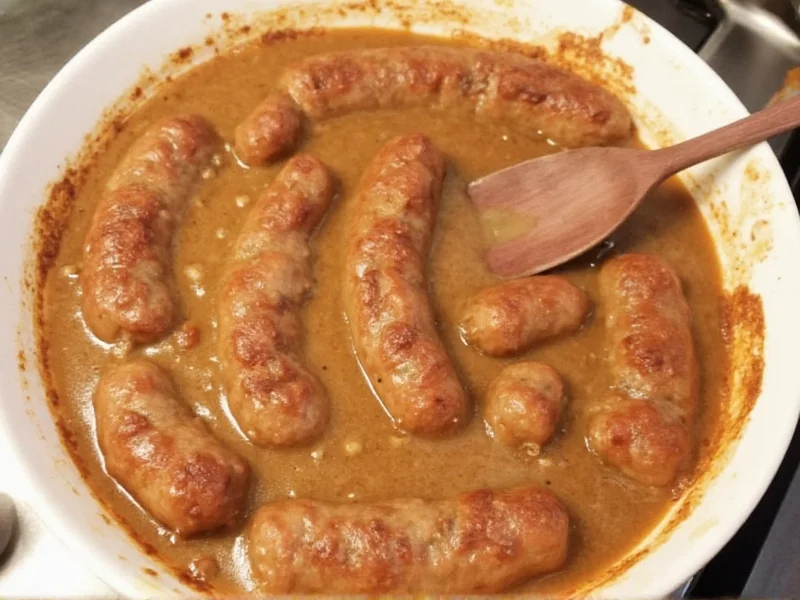
When crafting the perfect sausage gravy, selecting the right sausage makes all the difference between a bland sauce and a rich, flavorful masterpiece. While many options exist, understanding what makes certain sausages work better than others will elevate your breakfast experience significantly.
Historical Context: The Evolution of Sausage Gravy
Sausage gravy's development reflects Southern culinary adaptation, evolving from frontier resourcefulness to a cultural icon. This historical perspective explains why specific sausage characteristics remain essential for authentic preparation.
| Historical Era | Key Developments | Culinary Significance |
|---|---|---|
| 18th-19th Century | Frontier settlers utilized rendered animal fat and flour to stretch limited meat resources | Established fat-to-flour ratios critical for modern roux technique |
| Late 19th Century | Standardized as a breakfast staple across Southern farming communities | Defined regional preference for fresh pork sausage over preserved meats |
| Mid-20th Century | Commercial sausage production increased accessibility while diluting traditional recipes | Created modern distinction between authentic and mass-produced gravy |
Source: National Park Service - Soul Food and the American South
Understanding Sausage Characteristics for Gravy
Sausage gravy relies on the fat rendered from the sausage to create the roux that thickens the milk-based sauce. The ideal sausage for sausage gravy needs specific qualities that many commercially available options don't provide.
Fat Content: The Critical Factor
The perfect sausage for sausage gravy contains between 20-30% fat. This range provides enough rendered fat to create a proper roux while maintaining substantial meat content. Sausages with less than 20% fat often produce dry, crumbly gravy, while those exceeding 30% fat create an overly greasy sauce that separates.
| Sausage Type | Fat Content | Gravy Result |
|---|---|---|
| Fresh pork breakfast sausage | 20-30% | Ideal texture and flavor |
| Pre-cooked sausage patties | 15-20% | Dry, less flavorful gravy |
| Italian sausage | 25-35% | Overpowering herbs, greasy |
| Turkey breakfast sausage | 10-15% | Weak flavor, thin consistency |
Contextual Suitability: When Sausage Choices Succeed or Fail
Optimal sausage selection depends on specific cooking scenarios and limitations. Understanding these contextual boundaries prevents common preparation mistakes and ensures gravy success.
| Cooking Scenario | Recommended Approach | Critical Limitations |
|---|---|---|
| Traditional biscuits and gravy | Fresh pork breakfast sausage (20-30% fat) | Fails with low-fat alternatives; requires 3-4 tbsp rendered fat per pound for proper roux development |
| Time-constrained preparation | Pre-cooked patties + 1-2 tbsp butter supplement | Yields inferior flavor; binders in pre-cooked sausage cause texture issues in delicate sauces |
| Dietary modifications (vegetarian) | Plant-based crumbles + 2 tbsp olive oil + ½ tsp mushroom powder | Lacks natural emulsifiers found in animal fat; requires constant temperature control to prevent separation |
| Health-focused adaptation | Lean pork sausage + butter-enhanced roux | Exceeds saturated fat guidelines when supplemented; not suitable for cardiac diets per American Heart Association standards |
Source: University of Nebraska-Lincoln Extension - Food Product Review: Sausage
Best Sausage Options for Authentic Gravy
Not all sausages work equally well for making traditional sausage gravy. Understanding which varieties deliver optimal results prevents disappointing breakfast experiences.
Fresh Pork Breakfast Sausage
Fresh pork breakfast sausage represents the gold standard for sausage gravy. Available in both link and patty forms, the crumbled variety works best as it creates more surface area for browning. Look for "bulk" sausage at your grocery store or butcher - this unpackaged sausage gives you control over portion size and cooking.
When selecting fresh sausage for sausage gravy, check for these qualities:
- Minimal fillers (breadcrumbs or soy protein dilute flavor)
- Natural casings if purchasing links (easier to remove for crumbling)
- Simple seasoning (sage, black pepper, and salt)
- No liquid smoke or artificial flavors
Avoiding Common Sausage Mistakes
Many home cooks make critical errors when selecting sausage for gravy that compromise the final dish. Understanding these pitfalls ensures better results:
Pre-cooked sausage patties often contain binders and preservatives that affect gravy texture. While convenient, they typically have lower fat content, resulting in less flavorful gravy that requires additional butter or oil to compensate.
Highly seasoned specialty sausages like maple or jalapeño varieties can overpower the delicate balance of traditional gravy. Save these for sandwiches rather than gravy bases.
Overly lean sausage alternatives such as turkey or chicken sausage lack sufficient fat for proper roux development. If using these for dietary reasons, supplement with 1-2 tablespoons of butter when making the roux.
Preparing Sausage for Perfect Gravy
How you cook the sausage significantly impacts your gravy's quality. Follow these professional techniques for optimal results when making sausage gravy from scratch.
Proper Crumbling Technique
For the best texture in your gravy, crumble the sausage finely while cooking. Use a wooden spoon to break it into pea-sized pieces as it cooks. This maximizes surface area for browning and creates more rendered fat for the roux.
Cook the sausage over medium heat, allowing 8-10 minutes for complete rendering. Avoid high heat, which burns the exterior while leaving interior fat unrendered. The sausage should develop a light brown crust without becoming dark or crispy.
Managing Grease Levels
After cooking, assess the grease level before proceeding. The ideal amount for sausage gravy is approximately 3-4 tablespoons of rendered fat for every pound of sausage. If you have excess grease:
- Remove 1-2 tablespoons before making the roux
- Use a fat separator for precise measurement
- Blot excess with paper towels if needed
If your sausage rendered insufficient fat, supplement with unsalted butter to reach the proper amount. Never skip this fat, as it forms the essential base for your gravy's texture and flavor.
Recipe Integration Tips
Understanding how sausage interacts with other gravy components ensures consistent results every time you prepare this Southern breakfast staple.
Timing Considerations
Many cooks make the mistake of adding milk too soon. After cooking the sausage, remove it from the pan but leave the rendered fat. Create your roux with this fat and flour before returning the cooked sausage to the pan after the milk has thickened.
This technique prevents the sausage from overcooking and becoming tough while ensuring optimal flavor distribution throughout the gravy.
Seasoning Adjustments
Remember that your sausage contributes significant seasoning to the gravy. Before adding additional salt and pepper to the finished product, taste carefully. Most quality breakfast sausages contain enough seasoning that additional salt becomes unnecessary.
For traditional Southern sausage gravy, consider adding:
- A pinch of cayenne for subtle heat
- Freshly ground black pepper after milk addition
- A dash of Worcestershire sauce for umami depth
Remember that the quality of your sausage directly impacts your gravy's success. Investing in better sausage yields significantly improved results compared to bargain options filled with extenders and artificial flavors.




 浙公网安备
33010002000092号
浙公网安备
33010002000092号 浙B2-20120091-4