
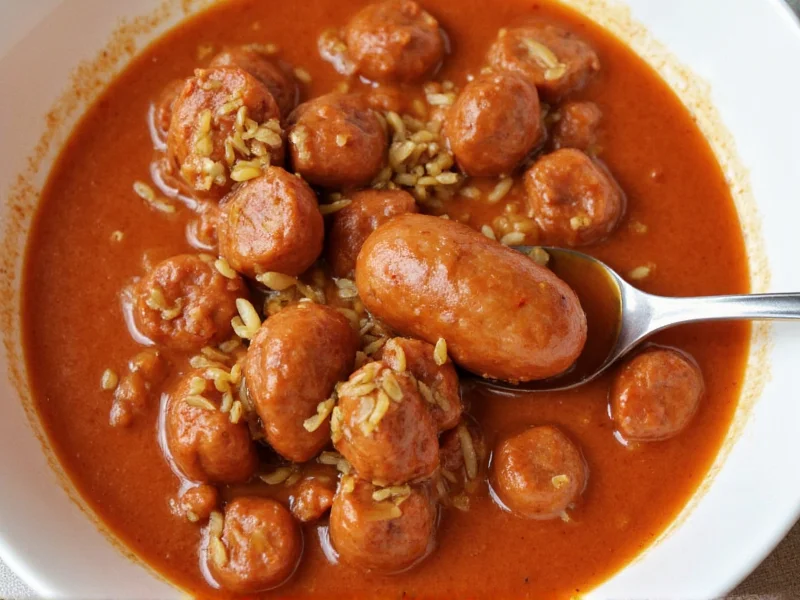
Why Sausage Makes Perfect Weeknight Cooking
Sausage stands as one of the most versatile proteins for home cooking, delivering robust flavor with minimal effort. Unlike plain ground meat, sausage contains built-in seasoning and fat content that prevents dryness during cooking. This characteristic makes it particularly forgiving for novice cooks while still offering depth appreciated by culinary experts. The global variety of sausage types—from Italian to chorizo to bratwurst—provides endless opportunities for creating diverse meals across different cuisines.
Selecting the Right Sausage for Your Dish
Understanding sausage varieties ensures your dish achieves the intended flavor profile. Fresh sausages like Italian or breakfast sausage work best for dishes requiring crumbling and thorough cooking. Pre-cooked varieties such as kielbasa excel in soups and stews where they'll simmer. Dry-cured sausages like salami shine in cold preparations or as finishing elements. Always check ingredient lists—quality sausage contains recognizable meat cuts and spices rather than excessive fillers.
Context Boundaries: Strategic Sausage Selection
While sausage varieties offer versatility, understanding their limitations prevents culinary missteps. Italian sausage's fennel notes clash with Asian-inspired dishes where anise flavors dominate, making chorizo a better choice for Spanish or Mexican cuisines. Breakfast sausage's high fat content (typically 25-30g per 3oz serving) creates rich gravies but requires draining for heart-healthy adaptations. Dry-cured sausages like salami lose texture when cooked, so reserve them for cold applications or as finishing touches. Recognizing these context boundaries ensures your sausage selection aligns with both flavor goals and dietary requirements.
| Sausage Type | Best Cooking Methods | Ideal Dish Pairings |
|---|---|---|
| Italian Sausage | Searing, grilling, braising | Peppers and onions, pasta sauces, pizza toppings |
| Breakfast Sausage | Pan-frying, baking | Casseroles, biscuits and gravy, breakfast hashes |
| Chorizo | Crumbing, simmering | Bean stews, rice dishes, roasted vegetable mixes |
| Kielbasa | Simmering, grilling | Sauerkraut combinations, potato bakes, soup additions |
Five Classic Sausage Dish Recipes
1. Authentic Italian Sausage and Peppers
This easy sausage dinner recipe requires just five ingredients and delivers restaurant-quality results. Remove Italian sausage from casings and brown in a skillet over medium heat for 6-8 minutes. Remove sausage, then sauté sliced bell peppers and onions until tender-crisp. Return sausage to pan, add ½ cup chicken broth and 2 minced garlic cloves, simmering for 10 minutes. Finish with fresh basil and serve with crusty bread for soaking up the flavorful juices. This traditional sausage and peppers recipe works equally well with sweet or hot Italian sausage varieties.
2. One-Pan Sausage and Mushroom Pasta
Create this healthy sausage pasta dish in the time it takes to cook the noodles. Brown sliced smoked sausage in an olive oil-coated skillet, then remove. Sauté mushrooms, garlic, and shallots until golden. Deglaze with ½ cup white wine, then add 2 cups chicken broth and bring to simmer. Stir in 8 ounces cooked pasta, the cooked sausage, and ¼ cup fresh parsley. This quick sausage meal idea transforms simple ingredients into an elegant dinner perfect for unexpected guests.
3. Southern Sausage Gravy with Biscuits
Master this traditional sausage gravy technique for perfect breakfast or brunch. Crumble 1 pound breakfast sausage into a skillet and cook until no pink remains. Sprinkle ¼ cup flour over sausage, stirring constantly for 2 minutes. Gradually whisk in 2½ cups warm milk, continuing to stir until thickened. Season with black pepper (omit salt if sausage is well-seasoned). Serve immediately over split, warm biscuits. For gluten-free sausage meal options, substitute rice flour for all-purpose flour.
4. Sausage-Stuffed Bell Peppers
Elevate basic stuffed peppers with this flavorful sausage variation. Brown 1 pound Italian sausage, then mix with 1 cup cooked rice, 1 diced tomato, and ½ cup shredded cheese. Cut tops from 4 large bell peppers, remove seeds, and fill with sausage mixture. Place in baking dish, cover with foil, and bake at 375°F for 30 minutes. Remove foil, top with additional cheese, and bake 10 more minutes. This healthy sausage pasta alternative provides a complete meal in one dish with built-in vegetable serving.
5. Sausage and White Bean Soup
This hearty soup demonstrates how sausage enhances simple ingredients. Sauté diced kielbasa in olive oil until browned. Add 1 diced onion, 2 carrots, and 2 celery stalks, cooking until softened. Stir in 4 cups chicken broth, 2 cans white beans (drained), and 1 teaspoon dried thyme. Simmer 20 minutes, then add 2 cups chopped kale. Cook until kale wilts. This quick sausage meal idea freezes beautifully for future easy dinners.
Nutritional Comparison of Common Sausage Types
The following table, sourced from USDA FoodData Central, provides verified nutritional data per 3-ounce (85g) serving to support informed dietary choices:
| Sausage Type | Calories | Total Fat (g) | Protein (g) | Dietary Considerations |
|---|---|---|---|---|
| Pork Italian Sausage (cooked) | 290 | 25 | 15 | High in saturated fat; pair with vegetables to balance meals. Source: USDA FoodData Central |
| Pork Breakfast Sausage (cooked) | 300 | 26 | 14 | Typically higher in sodium (500-700mg); choose low-sodium varieties for heart health. Source: USDA FoodData Central |
| Chorizo (Mexican, cooked) | 260 | 21 | 14 | High in sodium and spices; not recommended for low-sodium diets without modification. Source: USDA FoodData Central |
| Turkey Sausage (cooked) | 150 | 7 | 22 | Lower in fat and calories; ideal for weight management. Verify no added sugars in ingredients. Source: USDA FoodData Central |
Professional Cooking Techniques for Perfect Sausage Dishes
Master these sausage preparation methods to elevate your cooking. When working with fresh sausage links, prick casings in several places with a fork before cooking to prevent bursting while maintaining juiciness. For crumbled sausage dishes, cook in a cold pan that gradually heats to render fat slowly. Always let cooked sausage rest for 5 minutes before serving to allow juices to redistribute. When adding sausage to pasta sauces, remove it temporarily while preparing the sauce, then return it during the final simmering to prevent overcooking.
Dietary Adaptations for Sausage Lovers
For lower-fat versions, select turkey or chicken sausage varieties, which typically contain 30-50% less fat than pork alternatives. Gluten-free sausage meal options abound since most traditional sausages contain no wheat products—always verify labels for modified food starch or fillers. Vegetarian alternatives using plant-based proteins now mimic sausage texture and flavor remarkably well, particularly in recipes where sausage is crumbled rather than served as links.
Storing and Repurposing Leftover Sausage Dishes
Proper storage extends the life of your sausage creations. Cooked sausage dishes keep refrigerated for 3-4 days in airtight containers. Freeze portions in individual containers for quick future meals. Transform leftover sausage and peppers into breakfast by adding to scrambled eggs. Repurpose sausage pasta into a baked casserole with extra cheese. Leftover sausage gravy makes excellent pot pie filling when combined with diced vegetables. These leftover sausage dish ideas minimize food waste while creating new meal experiences.




 浙公网安备
33010002000092号
浙公网安备
33010002000092号 浙B2-20120091-4