
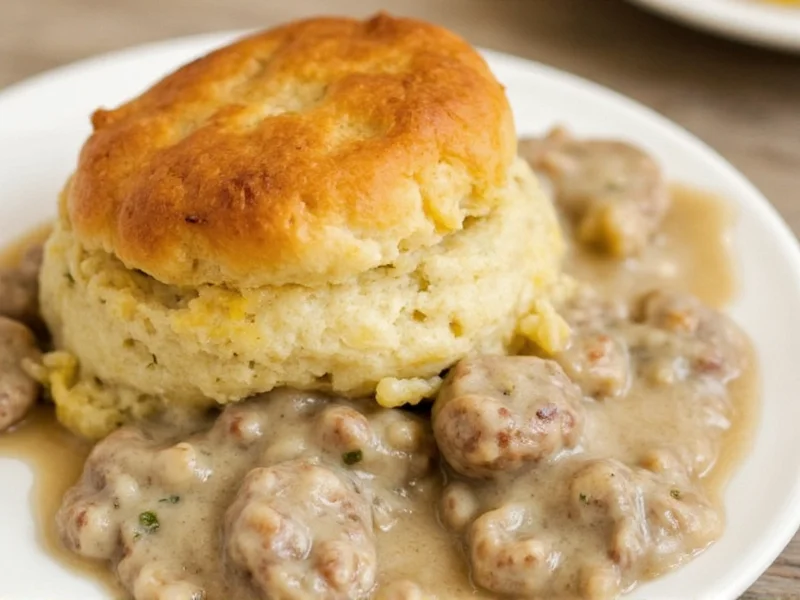
The Ultimate Sausage Biscuits and Gravy Casserole Guide
Transform your weekend breakfast with this crowd-pleasing sausage biscuits and gravy casserole that delivers all the comforting flavors of traditional Southern breakfast in a convenient, bakeable format. Unlike the time-consuming process of making individual biscuits smothered in gravy, this casserole version layers pre-made biscuits with rich sausage gravy and optional add-ins for a stress-free morning meal perfect for brunch gatherings or meal prep.
Why This Casserole Works Better Than Traditional Preparation
Traditional sausage gravy and biscuits require simultaneous preparation of multiple components, often resulting in uneven cooking or rushed assembly. The casserole format solves these problems by allowing the gravy to fully saturate the biscuit layers during baking, creating a cohesive texture throughout. This make-ahead sausage biscuits and gravy casserole can be assembled the night before, refrigerated, then baked fresh in the morning—a game-changer for holiday breakfasts or special occasions.
Essential Ingredients for Authentic Flavor
The magic of this southern sausage biscuits and gravy casserole lies in ingredient quality and proper ratios. Don't compromise on these key components:
| Ingredient | Quality Recommendation | Why It Matters |
|---|---|---|
| Fresh pork sausage | 80% lean, coarsely ground | Provides rich flavor and proper fat content for gravy |
| All-purpose flour | Unbleached, fresh | Creates smooth roux without bitter aftertaste |
| Whole milk | Not reduced fat | Essential for creamy, luxurious gravy texture |
| Biscuits | Refrigerated southern-style | Buttery flavor and proper flakiness when baked |
The Evolution of Biscuits and Gravy: From Farmhouse to Casserole
Biscuits and gravy have deep roots in Southern American cuisine, evolving from humble farm meals to a beloved brunch staple. Understanding this history explains why the casserole adaptation solves modern pain points while honoring tradition:
| Era | Key Developments | Impact on Modern Casserole |
|---|---|---|
| Pre-1850s | Early settlers used hardtack biscuits; gravy made from pan drippings moistened dry bread | Established core concept: biscuits as gravy vehicles |
| 1850s-1900 | Baking powder invention enabled soft biscuits; rural sausage production expanded | Created classic texture foundation for modern recipes |
| 1930s-1950s | Resourcefulness during Depression/War; canned biscuits and gravy mixes emerged | Laid groundwork for convenience-focused adaptations |
| 2000s-Present | Brunch culture rise; food bloggers popularized layered casserole versions | Directly inspired this single-dish format for entertaining |
As documented by the Smithsonian Institution, this evolution reflects America's changing food landscape—from necessity to celebration. The casserole format maintains authenticity while solving contemporary challenges like time constraints and portion control.
Step-by-Step Preparation Guide
Follow these precise steps for the best sausage biscuits and gravy casserole with perfect texture every time:
- Prepare the sausage gravy: Cook 1 pound bulk pork sausage in a skillet over medium heat until browned. Remove sausage, leaving 3 tablespoons drippings. Whisk in 1/3 cup flour to create roux, cooking 2 minutes until golden. Gradually whisk in 2 1/2 cups whole milk, bringing to gentle simmer until thickened (about 5 minutes). Return sausage to skillet with 1 teaspoon black pepper, 1/2 teaspoon rubbed sage, and salt to taste.
- Layer the casserole: In a 9x13-inch baking dish, arrange one layer of biscuits (cut in half if using large biscuits). Pour half the gravy over biscuits, pressing gently to saturate. Repeat with second layer of biscuits and remaining gravy.
- Bake to perfection: Cover with foil and bake at 375°F for 20 minutes. Remove foil and bake additional 15-20 minutes until biscuits are golden and gravy is bubbling at edges.
Avoid These Common Mistakes
Even experienced cooks make these errors with sausage gravy casserole with crescent rolls or traditional biscuit versions:
- Using low-fat milk: Creates thin, watery gravy that won't properly set. Whole milk is non-negotiable for authentic texture.
- Overmixing the gravy: Vigorous whisking incorporates too much air, causing the gravy to break during baking. Gentle stirring maintains emulsion.
- Skipping the resting period: Let the casserole rest 10 minutes after baking—this allows the gravy to set properly for clean slicing.
Variations for Dietary Needs and Preferences
Customize this versatile easy sausage biscuits and gravy casserole recipe for different tastes:
- Vegetarian option: Substitute plant-based sausage and use vegetable broth instead of meat drippings for roux
- Gluten-free version: Use gluten-free biscuits and substitute cornstarch (2 tablespoons) for flour in gravy
- Protein boost: Add 6 beaten eggs between layers for a breakfast casserole hybrid
- Spicy kick: Incorporate 1/4 teaspoon cayenne pepper and 1 diced jalapeño into the gravy
When This Recipe Shines (and When to Choose Alternatives)
While incredibly versatile, this casserole has specific scenarios where it excels and situations requiring adjustments. Use this guide to determine if it's the right choice for your needs:
| Scenario | Recommended Approach | Key Limitations |
|---|---|---|
| Large gatherings (8+ people) | Double recipe across two 9x13 dishes; bake simultaneously | Oven space constraints; requires dish rotation for even baking |
| Gluten-sensitive guests | Certified GF biscuits + cornstarch-thickened gravy | GF biscuits lack flakiness; altered gravy mouthfeel |
| Time-pressed weekday breakfast | Not recommended (requires 45+ minutes) | Consider microwave single portions: 1 biscuit + 1/4 cup gravy (2 minutes) |
| Meal prep for weight management | Portion into 6oz containers; pair with vegetable side | Naturally high calorie/fat; difficult to reduce without texture loss |
This framework aligns with USDA dietary guidelines for context-specific meal planning, which emphasize tailored adaptations for different nutritional needs.
Serving and Storage Tips
Maximize your homemade sausage biscuits and gravy casserole experience with these professional techniques:
- Serving: Garnish with fresh chopped parsley and extra black pepper. Pair with scrambled eggs and fresh fruit for a complete brunch spread.
- Refrigeration: Store leftovers in airtight container for up to 4 days. Reheat individual portions in microwave with a damp paper towel to prevent drying.
- Freezing: Freeze unbaked casserole (wrapped tightly) for up to 3 months. Add 15-20 minutes to baking time when cooking from frozen.
Frequently Asked Questions
Can I use frozen biscuits for sausage biscuits and gravy casserole?
Yes, frozen biscuits work well but require slight adjustments. Thaw them according to package directions first, then pat dry with paper towels to remove excess moisture before layering. This prevents a soggy casserole while maintaining the biscuit structure during baking.
How do I prevent my sausage gravy from becoming lumpy?
For smooth gravy, ensure your roux (flour and fat mixture) is fully combined and cooked for 2 minutes before adding milk. Add milk gradually while whisking constantly, starting with small splashes until the mixture emulsifies. Use room temperature milk rather than cold to prevent sudden temperature changes that cause clumping.
What's the best way to reheat sausage biscuits and gravy casserole?
Reheat individual portions in the microwave at 50% power for 2-3 minutes, covering with a damp paper towel. For larger portions, cover with foil and bake at 325°F until heated through (about 20 minutes). Avoid high heat which dries out the biscuits and separates the gravy.
Can I make sausage biscuits and gravy casserole without biscuits?
Absolutely. Substitute biscuits with 6 cups cubed day-old bread, croissants, or even waffle pieces for a unique twist. The key is using bread with enough structure to absorb the gravy without dissolving. Adjust baking time by 5-10 minutes depending on your substitute's density.
How far in advance can I prepare sausage biscuits and gravy casserole?
You can assemble the casserole up to 24 hours in advance. Store covered in the refrigerator, but add 10-15 minutes to the initial covered baking time since you're starting with a cold dish. Do not prepare the gravy more than 2 days ahead as the texture deteriorates with refrigeration.




 浙公网安备
33010002000092号
浙公网安备
33010002000092号 浙B2-20120091-4