
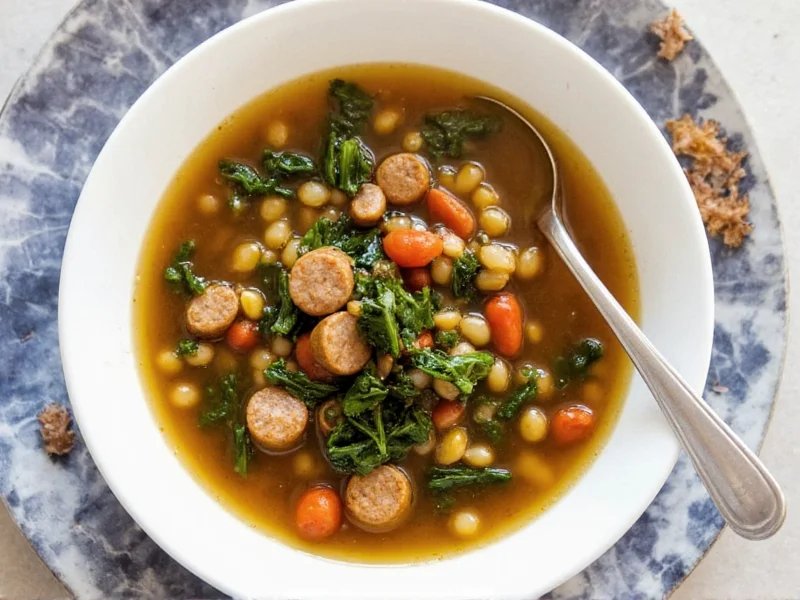
If you're searching for a hearty, nutritious meal that comes together quickly, this sausage and kale soup recipe delivers on all fronts. The combination of smoky sausage, earthy kale, and aromatic vegetables creates a deeply flavorful broth that's perfect for chilly evenings or when you need a comforting yet healthy dinner option.
Why This Sausage and Kale Soup Recipe Works
This particular sausage and kale soup recipe stands out because it balances simplicity with depth of flavor. Unlike many quick soup recipes that sacrifice taste for speed, this version builds layers of flavor through proper technique while still being accessible for weeknight cooking. The smoked sausage provides instant depth, eliminating the need for lengthy broth preparation, while the kale adds nutritional value without overpowering the dish.
Complete Ingredient List
For the best results with this healthy sausage kale soup, gather these ingredients:
- 1 pound smoked sausage (kielbasa or andouille), sliced into 1/2-inch rounds
- 1 large yellow onion, diced
- 2 medium carrots, peeled and diced
- 2 celery stalks, diced
- 3 cloves garlic, minced
- 4 cups low-sodium chicken broth (or vegetable broth for vegetarian option)
- 1 (14.5 oz) can diced tomatoes, undrained
- 1 teaspoon dried thyme
- 1/2 teaspoon red pepper flakes (optional for heat)
- 3 cups fresh kale, stems removed and chopped
- 1 (15 oz) can white beans, drained and rinsed (optional for added protein)
- Salt and freshly ground black pepper to taste
- 1 tablespoon olive oil or butter
| Cooking Stage | Time Required | Key Actions |
|---|---|---|
| Preparation | 15 minutes | Chop vegetables, slice sausage, wash and chop kale |
| Sautéing | 5-7 minutes | Cook sausage and vegetables until softened |
| Simmering | 15-20 minutes | Develop flavors in broth with tomatoes and seasonings |
| Final Cooking | 5 minutes | Add kale until tender but still vibrant |
| Total Time | 45 minutes | Ready to serve |
Step-by-Step Cooking Instructions
Follow these detailed steps for the perfect sausage and greens soup every time:
- Prepare ingredients: Chop all vegetables uniformly to ensure even cooking. Remove tough stems from kale and chop leaves into bite-sized pieces.
- Sauté sausage: Heat olive oil in a large pot or Dutch oven over medium heat. Add sliced sausage and cook until browned on all sides, about 5 minutes. Remove sausage with a slotted spoon and set aside, leaving the flavorful drippings in the pot.
- Cook vegetables: Add onion, carrots, and celery to the pot with sausage drippings. Sauté for 5-7 minutes until vegetables begin to soften. Stir in minced garlic and cook for 1 minute until fragrant.
- Build the broth: Return sausage to the pot. Add chicken broth, diced tomatoes with their juice, thyme, and red pepper flakes if using. Bring to a gentle boil, then reduce heat to low.
- Simmer for flavor development: Cover and simmer for 15-20 minutes to allow flavors to meld. This step is crucial for creating a rich sausage kale soup with depth of flavor.
- Add kale: Stir in chopped kale and white beans if using. Cook uncovered for 5 minutes until kale is tender but still vibrant green. Avoid overcooking, which causes kale to become bitter.
- Season and serve: Taste and adjust seasoning with salt and pepper as needed. For the best flavor, let the soup rest for 5-10 minutes before serving to allow flavors to fully integrate.
Pro Tips for the Best Sausage and Kale Soup
These professional cooking techniques will elevate your sausage and kale soup from good to exceptional:
- Choose the right sausage: Smoked sausage varieties like kielbasa or andouille provide the best flavor foundation. Avoid fresh sausages that require longer cooking times.
- Don't skip the fond: When browning the sausage, resist stirring too frequently. Those browned bits on the bottom of the pot (fond) contain concentrated flavor that will enrich your broth.
- Acid balance: If your soup tastes flat, add a splash of apple cider vinegar or lemon juice just before serving. This brightens the flavors and complements the earthiness of the kale.
- Kale preparation: For the most tender kale, remove the tough center ribs before chopping. Massaging the chopped kale with a bit of olive oil before adding to the soup can also reduce bitterness.
- Texture control: If you prefer a thicker broth, mash some of the white beans against the side of the pot before adding the kale. For a thinner broth, add an additional 1/2 cup of broth or water.
Serving Suggestions and Storage
This versatile sausage and kale soup pairs beautifully with crusty bread for dipping or a simple green salad for a complete meal. For extra richness, top each serving with a sprinkle of freshly grated Parmesan cheese or a drizzle of good quality olive oil.
Store leftovers in an airtight container in the refrigerator for up to 4 days. The flavors actually improve overnight as they continue to meld. When reheating, add a splash of broth or water as the soup may thicken upon standing.
You can also freeze this sausage kale soup recipe for up to 3 months. Freeze in portion-sized containers for easy single servings. Thaw overnight in the refrigerator before reheating gently on the stove.
Popular Variations for Dietary Needs
This basic sausage and kale soup recipe adapts well to various dietary preferences:
- Vegetarian sausage and kale soup: Substitute the sausage with 1 cup of cooked lentils and 1 cup of mushrooms. Use vegetable broth and add 1 tablespoon of smoked paprika for that smoky depth.
- Gluten-free sausage and kale soup: This recipe is naturally gluten-free as written. Just ensure your sausage and broth are certified gluten-free if you have sensitivities.
- Keto-friendly version: Omit the white beans and tomatoes (or use just 1/4 cup of diced tomatoes). Increase sausage to 1.5 pounds and add 1/2 cup of heavy cream at the end for richness.
- Spicy sausage kale soup: Use hot Italian sausage instead of smoked sausage and increase red pepper flakes to 1 teaspoon. Add a diced jalapeño with the vegetables for extra heat.
Frequently Asked Questions
Can I use frozen kale in sausage and kale soup?
Yes, you can use frozen kale in sausage and kale soup. Add it directly to the simmering broth without thawing, but extend the cooking time by 2-3 minutes. Frozen kale often has a softer texture, so add it earlier in the cooking process than fresh kale.
How do I prevent kale from becoming bitter in soup?
To prevent kale from becoming bitter, add it during the last 5-7 minutes of cooking. Overcooking causes bitterness. Also, remove the tough center stems before chopping, and consider massaging the chopped kale with a bit of olive oil before adding it to the soup. A small splash of acid like lemon juice or vinegar at the end can also balance any bitterness.
What's the best substitute for smoked sausage in this recipe?
The best substitutes for smoked sausage include cooked bacon (chopped), smoked turkey sausage, or even smoked paprika added to regular sausage. For vegetarian options, use smoked tempeh or add 1 tablespoon of liquid smoke to vegetable broth with mushrooms for depth. Avoid fresh sausages that lack the smoky flavor profile essential to this soup.
Can I make sausage and kale soup in a slow cooker?
Yes, you can make sausage and kale soup in a slow cooker. Brown the sausage and vegetables first, then transfer to the slow cooker with broth and tomatoes. Cook on low for 4-6 hours. Add the kale during the last 30 minutes of cooking to maintain its color and texture. The slow cooking method develops deeper flavors but requires the kale to be added late in the process.
How can I make this sausage kale soup recipe creamier without dairy?
To make sausage kale soup creamier without dairy, blend half of the soup (after removing kale) and return it to the pot. Alternatively, add 1/2 cup of cooked white beans or cannellini beans and blend them into the broth using an immersion blender. Coconut milk (1/4 cup) also works well for creaminess while keeping the soup dairy-free, though it adds a subtle coconut flavor.




 浙公网安备
33010002000092号
浙公网安备
33010002000092号 浙B2-20120091-4