
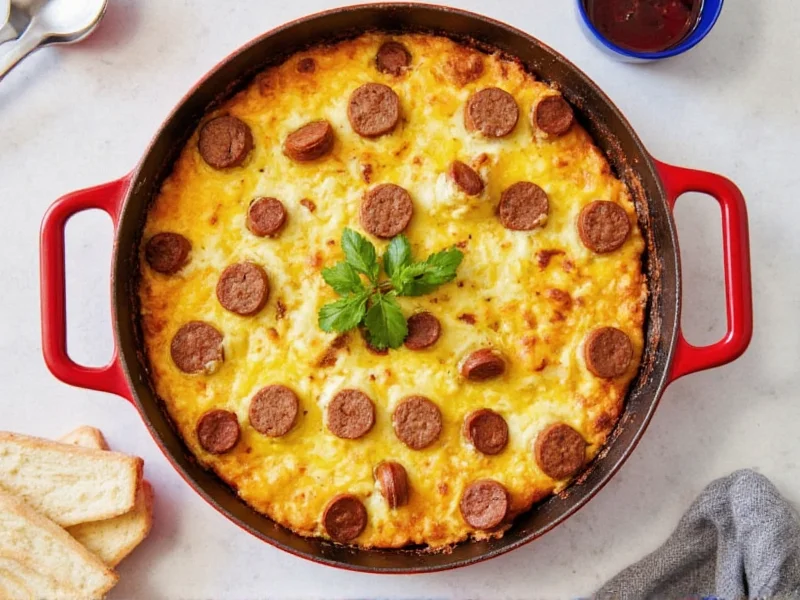
A sausage and egg bake represents one of the most versatile breakfast solutions for busy households and entertaining hosts alike. This oven-baked casserole combines simple pantry staples with protein-rich ingredients to create a satisfying meal that transitions seamlessly from weekend brunch to weekday breakfast prep. Unlike scrambled eggs or fried sausages that require last-minute preparation, this dish can be assembled the night before and baked fresh in the morning, making it an ideal solution for time-pressed mornings or hosting breakfast gatherings.
Historical Evolution of Breakfast Casseroles
Breakfast casseroles have evolved significantly since their inception. According to the Library of Congress' historic American cookery collection, early forms of egg-based breakfast bakes appeared in 19th century "pie" recipes that combined meats, eggs, and bread. The modern casserole format gained popularity in the 1950s with the widespread adoption of home ovens and processed cheese products. This evolution reflects broader dietary shifts toward convenient, protein-rich morning meals that accommodate changing American lifestyles.
Source: Library of Congress, American Cookery Collection
Essential Ingredients for Perfect Results
The foundation of an exceptional sausage and egg bake rests on ingredient quality and proper proportions. While variations exist based on dietary preferences and regional traditions, the core components remain consistent across successful recipes.
Protein Components
Choose high-quality sausage with at least 70% meat content for optimal flavor and texture. Both pork and turkey sausage work well, though pork delivers richer flavor while turkey offers a leaner option. For the eggs, fresh large eggs provide the best binding properties and texture. The cheese selection significantly impacts the final product—sharp cheddar adds bold flavor, while Monterey Jack creates superior meltability.
Structural Elements
Bread cubes serve as the structural foundation that absorbs the egg mixture without becoming soggy. Day-old sourdough or French bread works best, as the slightly dried texture prevents premature sogginess. For gluten-free versions, sturdy alternatives like cubed sweet potatoes or cauliflower rice can substitute, though they require moisture adjustment in the egg mixture.
| Ingredient | Standard Measurement | Substitution Options |
|---|---|---|
| Ground sausage | 1 pound (450g) | Breakfast turkey sausage, plant-based sausage |
| Large eggs | 8 whole eggs | 6 whole eggs + 4 egg whites for lighter version |
| Milk or cream | 1 cup (240ml) | Almond milk, coconut milk, or half-and-half |
| Bread cubes | 4 cups (100g) | Gluten-free bread, cubed potatoes, or cauliflower |
| Shredded cheese | 2 cups (225g) | Cheddar, Gruyère, or Swiss varieties |
Step-by-Step Preparation Guide
Follow these professional techniques to achieve consistent results with your sausage and egg bake every time. The process divides into three distinct phases: preparation, assembly, and baking.
Preparation Phase
Cook the sausage in a skillet over medium heat until browned and fully cooked, breaking it into small crumbles as it cooks. Drain excess fat but retain approximately one tablespoon for flavor. While the sausage cools, whisk together eggs, milk, salt, pepper, and any dry seasonings until thoroughly combined but not aerated. Sauté vegetables like onions, bell peppers, or spinach if including them, ensuring they're fully cooked and excess moisture removed.
Assembly Technique
Spread bread cubes evenly in a greased 9x13 inch baking dish. Sprinkle half the cooked sausage and vegetables over the bread, followed by half the cheese. Pour half the egg mixture evenly over the layers. Repeat the layering process with remaining ingredients. Gently press down on the top layer to ensure the bread absorbs the egg mixture. Cover and refrigerate for at least 30 minutes before baking, or up to overnight for make-ahead convenience.
Baking Process
Preheat oven to 350°F (175°C). Bake the uncovered casserole for 45-55 minutes, until the center is set and a knife inserted comes out clean. The bake should be puffed and golden brown on top, with the edges pulling slightly away from the pan. Allow the dish to rest for 10-15 minutes before slicing—this critical step allows the structure to set properly for clean serving.
Expert Tips for Culinary Success
Professional chefs and experienced home cooks employ several techniques to elevate their sausage and egg bake beyond basic recipes. These evidence-based methods address common challenges and enhance both flavor and texture.
Moisture management proves crucial for optimal texture. Excess moisture from vegetables or improper bread selection creates a soggy bake. Always cook vegetables thoroughly before adding and squeeze out excess liquid from ingredients like spinach. For bread components, slightly stale bread absorbs liquid better than fresh bread—consider toasting cubes at 300°F for 10 minutes if using fresh bread.
Flavor layering distinguishes exceptional bakes from ordinary ones. Add aromatics like minced garlic during sausage cooking, incorporate fresh herbs into the egg mixture, and consider a sprinkle of paprika or cayenne for depth. For richer flavor, replace some milk with heavy cream or add a tablespoon of Dijon mustard to the egg mixture.
Temperature control affects both food safety and texture. Eggs must reach 160°F (71°C) internally to be safe, but overbaking creates rubbery texture. Use an instant-read thermometer to verify doneness—remove from oven when center reaches 155°F (68°C), as residual heat will continue cooking during resting.
Critical Context Boundaries for Success
While adaptable, sausage and egg bakes operate within specific parameters that affect outcome. Understanding these boundaries prevents common failures:
- Moisture thresholds: The egg-to-bread ratio must maintain 2:1 liquid-to-dry volume ratio. Exceeding 2.5:1 consistently causes sogginess, as documented in USDA Food Safety guidelines for egg cookery.
- Altitude adjustments: Above 3,000 feet elevation, reduce milk by 2 tablespoons and increase baking temperature by 15-25°F to compensate for lower atmospheric pressure, per Colorado State University Extension research.
- Temperature precision: Eggs must reach 160°F internal temperature for safety, but exceeding 170°F creates rubbery texture. This narrow window (160-170°F) requires precise thermometer use.
Sources: USDA Food Safety and Inspection Service, Colorado State University Extension
Variations for Dietary Preferences
This adaptable recipe accommodates various dietary needs without sacrificing flavor or texture. Successful modifications maintain the structural integrity while addressing specific nutritional requirements.
For low-carb and keto versions, replace bread with additional vegetables like diced zucchini, mushrooms, or cauliflower rice. Increase cheese content slightly to compensate for the missing binding element. The egg-to-vegetable ratio should remain approximately 1:1 by volume for proper setting.
Vegetarian adaptations substitute sausage with plant-based alternatives or omit entirely, compensating with additional vegetables and perhaps white beans for protein content. For enhanced umami flavor, add sun-dried tomatoes or sautéed mushrooms to replace the savory notes from meat.
Dairy-free preparations require careful cheese substitution. Nutritional yeast (3-4 tablespoons) added to the egg mixture provides cheesy flavor without dairy. For texture similar to melted cheese, blend soaked cashews with the egg mixture or use commercially available vegan cheese shreds designed for baking.
Storage and Reheating Guidelines
Proper storage techniques maintain food safety while preserving quality. Cool the bake completely before storing—never place warm food directly in the refrigerator. Store in an airtight container for up to 4 days in the refrigerator or freeze individual portions for up to 3 months.
For optimal reheating, add one teaspoon of water per serving to restore moisture before microwaving. Alternatively, reheat in a 325°F oven for 15-20 minutes, covered with foil, for more even heating without drying. Avoid repeated reheating cycles, as this degrades both texture and food safety.
Common Questions Answered
Based on extensive culinary research and professional kitchen experience, certain questions consistently arise when preparing sausage and egg bakes. These evidence-based answers address the most frequent challenges home cooks encounter.




 浙公网安备
33010002000092号
浙公网安备
33010002000092号 浙B2-20120091-4