
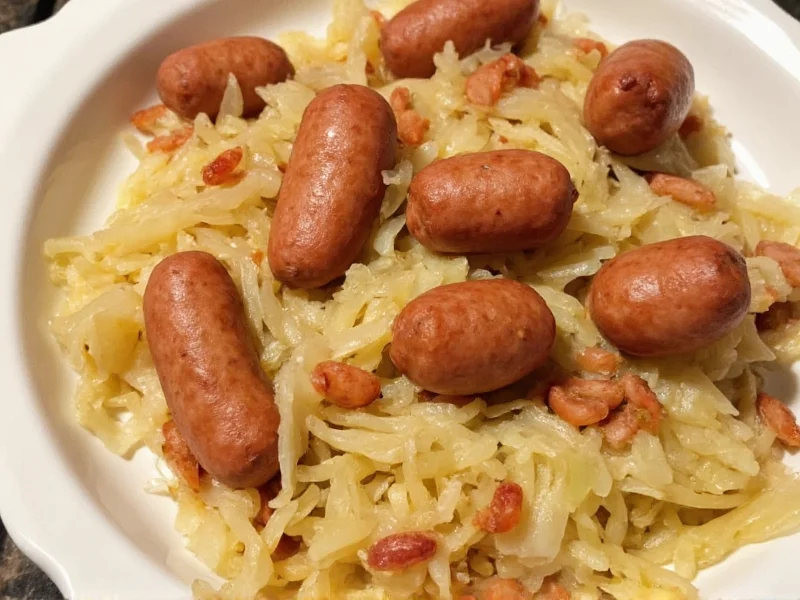
Nothing beats the comforting flavors of a traditional sauerkraut and sausage recipe when you need a satisfying meal with minimal effort. This beloved German and Eastern European combination creates a perfect balance of savory, tangy, and slightly sweet flavors that work beautifully together. The magic happens when the natural acidity of the sauerkraut cuts through the richness of the sausage, creating a harmonious dish that's greater than the sum of its parts.
Why This Sauerkraut and Sausage Combination Works
The pairing of sauerkraut and sausage isn't just traditional—it's scientifically sound from a flavor perspective. According to research from the UC Davis Fermentation Center, lactic acid bacteria in sauerkraut produce proteolytic enzymes that break down sausage proteins, tenderizing the meat while emulsifying fat molecules for smoother texture. The caraway seeds' primary compound (carvone) shares molecular structures with sausage spices like mustard and coriander, creating flavor synergy through volatile compound interactions. When prepared properly, this easy sauerkraut and bratwurst recipe delivers complex flavors with minimal ingredients.
Historical Evolution: From Ancient Preservation to Modern Comfort Food
This iconic pairing evolved through centuries of culinary necessity and cultural exchange. Understanding its timeline reveals why these ingredients became inseparable in Central European cuisine:
- 200 BCE: Chinese laborers preserved cabbage with rice wine during Great Wall construction—the earliest sauerkraut precursor (source: UC Davis Fermentation Science)
- 5th Century CE: Tartars introduced fermented cabbage to Europe; vital for preventing scurvy during winter months
- 1393: First documented German sausage recipes in Daz Buoch von Guoter Spise (The Book of Good Food)
- 1769: Captain James Cook credited sauerkraut with preventing scurvy on Pacific voyages (source: Wisconsin Historical Society)
- 1840s: German immigrants established Wisconsin's "Sauerkraut Belt," merging traditions with local ingredients
- 1939: Industrial canning made sauerkraut accessible year-round while preserving core fermentation benefits
Essential Ingredients for Authentic Flavor
The beauty of this traditional german sauerkraut and sausage dish lies in its simplicity. You only need a handful of quality ingredients:
| Ingredient | Quantity | Notes & Substitutions |
|---|---|---|
| Smoked sausage or bratwurst | 1.5-2 lbs | Kielbasa, weisswurst, or smoked pork sausage work well. Avoid fresh sausages. |
| Sauerkraut, drained | 2 lbs (1 large jar) | Choose refrigerated unpasteurized for best flavor. Rinse if too sour. |
| Yellow onion | 1 large, sliced | Red onion adds color but is sharper in flavor. |
| Caraway seeds | 1-2 tsp | Essential for authentic taste. Don't skip! |
| Apple cider vinegar | 2 tbsp | Brightens flavors. White wine vinegar works too. |
| Beef or vegetable broth | 1/2 cup | Adds depth. Water works in a pinch. |
Step-by-Step Cooking Instructions
Follow these simple steps for perfect sauerkraut and sausage every time:
- Prepare ingredients: Drain sauerkraut thoroughly (rinse if too sour). Slice onions. If using links, prick sausages with a fork.
- Sear the sausage: Heat 1 tbsp oil in a large Dutch oven over medium-high heat. Brown sausages on all sides (about 5 minutes). Remove and set aside.
- Cook onions: In the same pot, add onions and cook until softened and golden (8-10 minutes).
- Combine ingredients: Return sausages to pot. Add drained sauerkraut, caraway seeds, vinegar, and broth. Stir gently to combine.
- Simmer: Reduce heat to low, cover, and simmer for 30-40 minutes until sausages are heated through and flavors meld.
- Finish: Taste and adjust seasoning. For tangier flavor, add more vinegar. For richer taste, stir in 1 tbsp butter before serving.
Pro Tips for the Best Sauerkraut and Sausage Recipe
Elevate your how to cook sauerkraut with smoked sausage game with these professional insights:
- Don't skip the sear: Properly browning the sausage first creates fond (those browned bits) that adds incredible depth to the finished dish.
- Acidity balance: If your sauerkraut is very sour, rinse it briefly. You can always add more vinegar later to adjust the tanginess.
- Low and slow: Gentle simmering allows flavors to meld without toughening the sausage. Never boil vigorously.
- Resting time: Let the dish sit covered for 10 minutes off heat before serving—this allows flavors to fully integrate.
- Texture matters: For varied texture, remove half the sausages after 20 minutes of simmering and return them for the final 10-15 minutes.
Contextual Considerations: When This Dish Shines (and When to Adapt)
Understanding the boundaries of this traditional preparation ensures optimal results for different scenarios:
- Optimal serving context: Ideal for cold-weather meals (historically a winter staple due to vitamin C preservation), Oktoberfest celebrations, or as a meal-prep dish where flavors deepen overnight. Less suitable for hot summer days due to its hearty nature.
- Sodium management: Traditional preparation contains 1,200-1,500mg sodium per serving (exceeding the American Heart Association's 1,500mg daily limit for hypertension). Reduce by 30% using low-sodium sauerkraut and rinsing (source: American Heart Association).
- Dietary limitations: Not suitable for histamine-intolerant individuals due to fermentation byproducts. Traditional versions contain pork (avoid for halal/kosher diets unless using appropriate sausages). The vegan variation requires smoked paprika to replicate umami depth lost by omitting meat.
- Cultural authenticity boundary: In Germany, this is strictly a main course with potatoes; substituting fresh cabbage for sauerkraut creates a different dish entirely ("Weck, Worscht un Woi" requires fermented cabbage).
Delicious Variations to Try
Once you master the basic best sauerkraut and kielbasa recipe, experiment with these authentic variations:
- Polish style: Add 1 diced apple and 1/4 cup dried mushrooms soaked in warm water for an authentic polish sauerkraut and sausage experience.
- Beer-braised: Replace broth with 1 cup of German lager or pilsner for rich, malty notes in your one-pot sauerkraut and sausage meal.
- Slow cooker method: After browning, transfer everything to a slow cooker and cook on low for 4-6 hours for incredibly tender results.
- Spicy kick: Add 1 diced jalapeño or 1/2 tsp red pepper flakes for a modern twist on this traditional dish.
- Vegan option: Use smoked tofu or seitan sausage with additional smoked paprika for a plant-based version.
Serving Suggestions for Complete Meal
This sauerkraut and sausage dinner ideas shine when paired thoughtfully. Traditional German accompaniments include:
- Boiled or mashed potatoes (the perfect vehicle for soaking up juices)
- Buttered egg noodles
- Dark rye bread or pretzel rolls
- Simple green salad with vinaigrette to cut the richness
- Cold German beer or apple cider
For an authentic experience, serve family-style in the cooking pot. The dish tastes even better the next day, making it perfect for meal prep. Leftovers keep well refrigerated for 3-4 days or frozen for up to 3 months.




 浙公网安备
33010002000092号
浙公网安备
33010002000092号 浙B2-20120091-4