
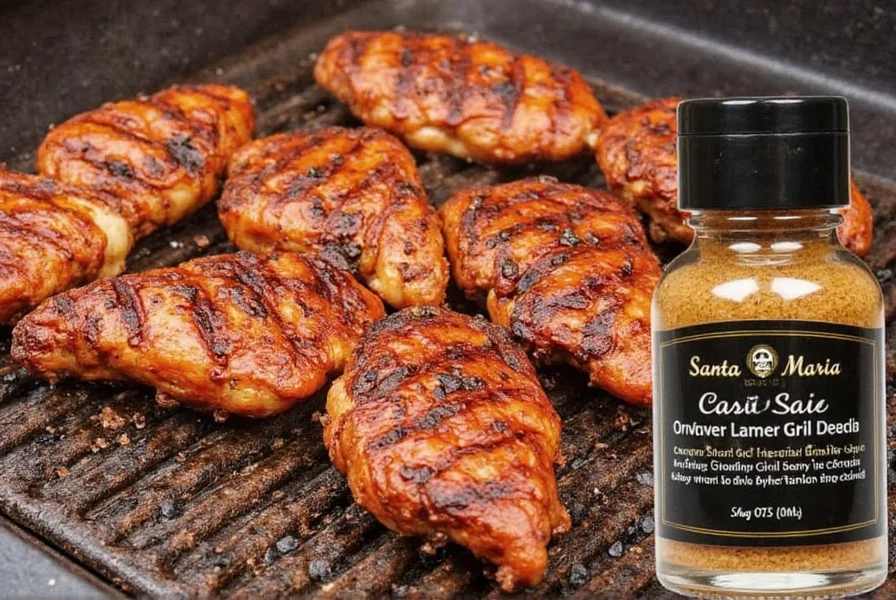
Santa Maria Spice Rub: The Secret to Smoky, Flavorful Grilling – A Must-Have for Every Grill Master!
Table of Contents
- Introduction
- What Is Santa Maria Spice Rub?
- A Taste of Tradition: The Origins of Santa Maria Style
- Key Ingredients That Make It Unique
- How to Use Santa Maria Spice Rub Like a Pro
- Top Santa Maria Spice Rub Brands Reviewed
- Buying Guide: Choosing the Best Rub for Your Needs
- DIY Santa Maria Spice Rub: Craft Your Own Signature Blend
- Conclusion: Why Every Grill Should Have This Rub
Introduction
There’s something magical about the smoky aroma of meat sizzling on the grill. If you're passionate about barbecue or simply enjoy throwing a few steaks on the fire, then you’ve probably heard whispers of the legendary Santa Maria spice rub.
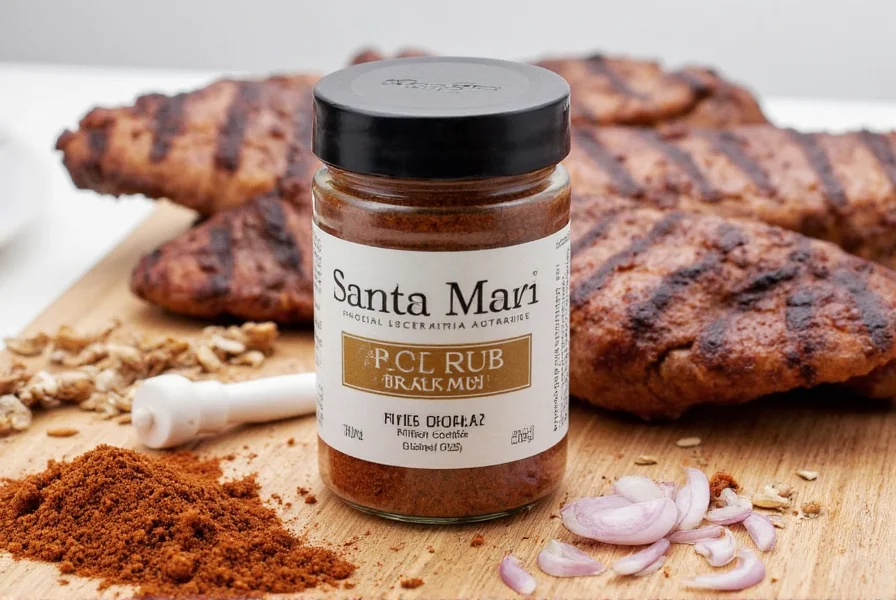
This unique blend from California’s Central Coast has become a cult favorite among grillers and pitmasters alike. But what exactly makes this rub so special? And how can you use it to elevate your next backyard cookout or competitive barbecue dish?
What Is Santa Maria Spice Rub?
Santa Maria spice rub is a bold, earthy, and slightly peppery blend traditionally used in the Santa Maria-style barbecue native to the Central Coast of California. Unlike sweeter American barbecue rubs, this one leans into salt, black pepper, garlic powder, paprika, and sometimes even chili flakes.
- High in pepper content
- Minimal sweetness
- Meant for bold flavors, especially tri-tip beef
It was originally crafted by ranchers and cooks who wanted to highlight the natural taste of high-quality meats without overwhelming them with sugar or molasses-based sauces.
A Taste of Tradition: The Origins of Santa Maria Style
The story of Santa Maria spice rub begins in the 19th century with the arrival of Mexican vaqueros (cowboys) in the region. As they cooked over open flames using red oak wood, they developed a dry rub that complemented the rich flavor of grilled meats — especially tri-tip, a cut that became synonymous with Santa Maria grilling.
Over time, this rustic style caught on with local communities and evolved into a celebrated regional cuisine. Today, the rub remains a staple at backyard barbecues and competitions across the country.
Key Ingredients That Make It Unique
While each brand may tweak the recipe slightly, most authentic Santa Maria spice rubs share these essential ingredients:
| Ingredient | Purpose |
|---|---|
| Black Pepper | Provides a punchy, aromatic base |
| Salt | Enhances overall flavor and draws out juices |
| Garlic Powder | Adds depth and umami |
| Paprika | Offers mild heat and vibrant color |
| Chili Flakes (Optional) | Kicks up the heat just a bit |
Unlike traditional BBQ rubs that rely heavily on brown sugar or cumin, Santa Maria keeps it simple — letting the meat shine while delivering a complex, savory experience.
How to Use Santa Maria Spice Rub Like a Pro
Using Santa Maria spice rub is all about technique and balance. Here are some pro tips to get the most out of your rub:
- Dry Brine Overnight: Apply the rub generously and refrigerate the meat overnight for maximum flavor penetration.
- Rub Generously but Evenly: Don’t be shy — a good coating ensures every bite is seasoned.
- Let It Rest: After grilling, let the meat rest for 10–15 minutes before slicing. This locks in juices and enhances flavor.
- Pair With Wood: Smoke or grill using red oak or hickory for an authentic Santa Maria aroma.
- Don’t Add Sauce: Let the rub do the talking — avoid heavy sauces that might overpower its nuanced flavor.
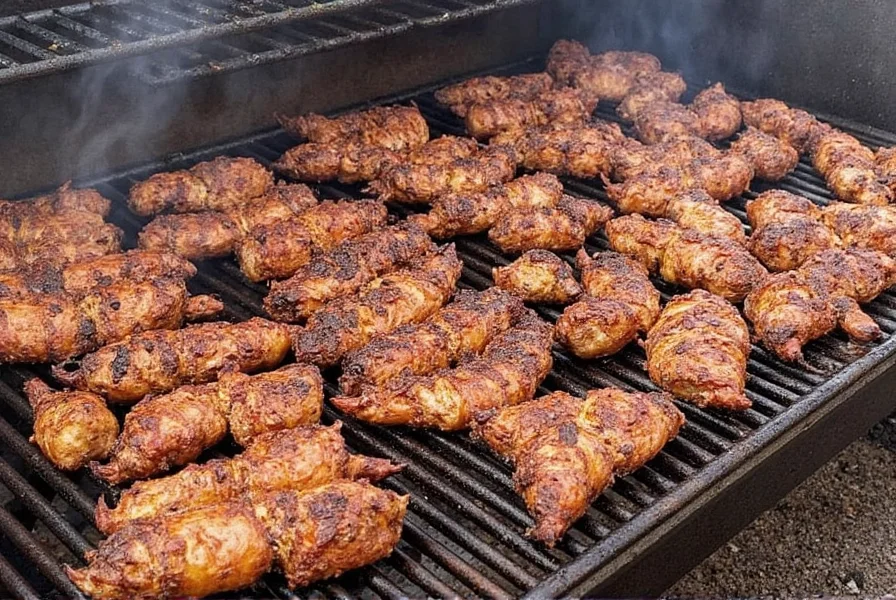
Top Santa Maria Spice Rub Brands Reviewed
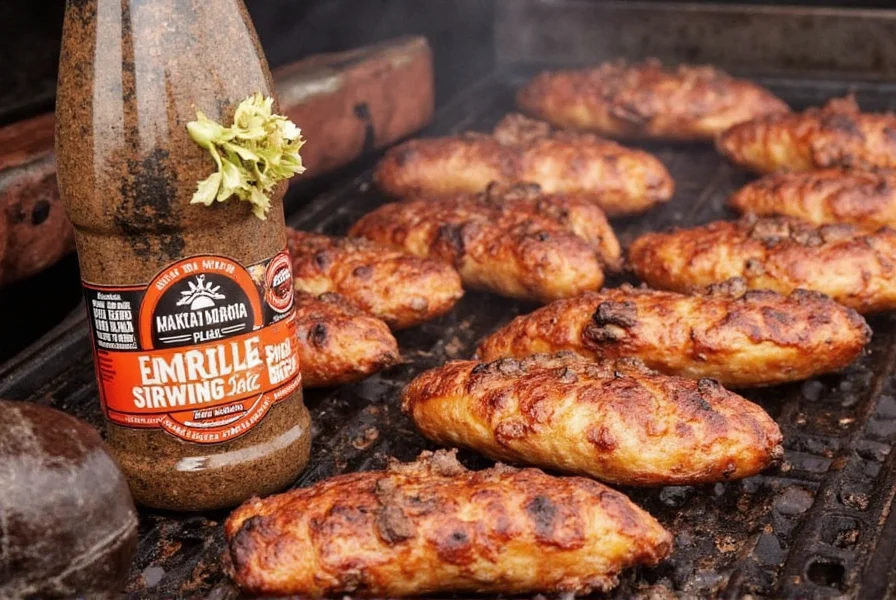
Whether you’re shopping online or hitting the local market, here’s a breakdown of top-rated Santa Maria spice rubs currently dominating the market:
| Brand | Flavor Profile | Best For | Price Range |
|---|---|---|---|
| Judy’s Santa Maria Seasoning | Classic peppery profile with balanced saltiness | Authentic tri-tip, grilled vegetables | $7–$10 / 6 oz |
| Gardetto’s Original Santa Maria Rub | Smoky undertones with subtle garlic notes | Competition-level BBQ, brisket lovers | $8–$12 / 8 oz |
| Big Jim's Tri-Tip Rub | Bold, fiery kick with extra chili powder | Spicy meat enthusiasts, adventurous eaters | $6–$9 / 5 oz |
| Stubb’s Santa Maria Rub | Mild, versatile, and family-friendly | Beginners, mixed crowds, weeknight dinners | $9–$11 / 7 oz |
Buying Guide: Choosing the Best Rub for Your Needs
Not all Santa Maria spice rubs are created equal. Consider these factors before making your purchase:
- Flavor Preference: Are you after bold heat, deep smokiness, or a milder profile?
- Meat Type: Some blends work best with beef, others pair well with pork or chicken.
- Grill Method: Do you smoke, char-grill, or roast? Choose a rub that complements your technique.
- Ingredients: Avoid artificial additives if you prefer clean eating or have dietary restrictions.
- Quantity: Larger families or frequent grillers may want bulk sizes or refillable containers.
If you’re cooking for a crowd or entering a competition, opt for a premium brand like Gardetto’s or Judy’s. For everyday grilling, Stubb’s or Big Jim’s offer solid value and great flavor without breaking the bank.
DIY Santa Maria Spice Rub: Craft Your Own Signature Blend
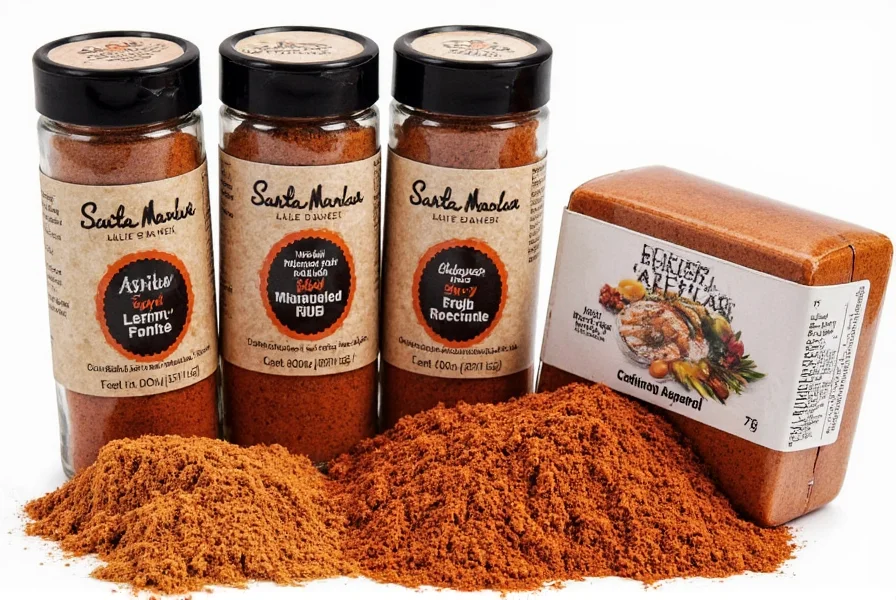
Feeling creative? Whip up your own version of Santa Maria spice rub at home using basic pantry ingredients. Here’s a simple yet delicious homemade recipe:
Recipe: Homemade Santa Maria Spice Rub
- 4 tbsp coarse ground black pepper
- 2 tbsp sea salt
- 1 tbsp garlic powder
- 1 tbsp smoked paprika
- ½ tsp dried oregano (optional)
- ½ tsp crushed red pepper flakes (for heat)
Mix all ingredients thoroughly and store in an airtight container. Shake before use for consistent flavor distribution.
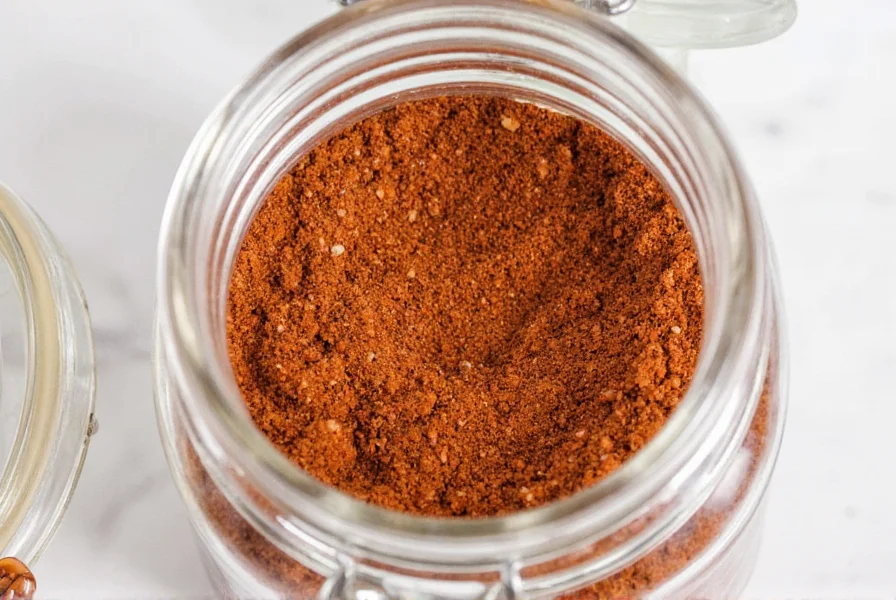
Pro tip: Adjust the ratio of black pepper and chili flakes to tailor the rub to your personal taste. Want more heat? Go heavier on the flakes. Craving subtlety? dial back the pepper a touch.
Conclusion: Why Every Grill Should Have This Rub
Whether you’re a weekend warrior or a serious pitmaster, Santa Maria spice rub deserves a permanent spot in your spice rack. Its ability to enhance natural meat flavors without masking them sets it apart from other barbecue rubs.
With the right application and a little practice, this humble blend can transform ordinary cuts into extraordinary meals. From backyard cookouts to tailgate parties and everything in between, Santa Maria spice rub is your ticket to grilled perfection.
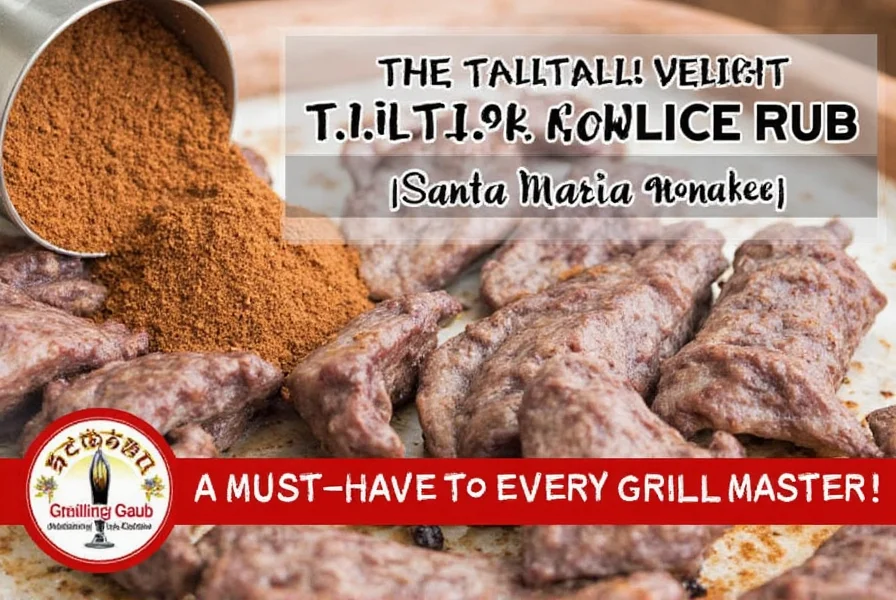
So go ahead — grab a jar, fire up the grill, and let the bold, rustic flavors of the California coast take center stage at your next feast!




 浙公网安备
33010002000092号
浙公网安备
33010002000092号 浙B2-20120091-4