
Why Your Pasta Sauce Falls Flat (And How San Marzano Fixes It)
Look, if you've ever wondered why your homemade marinara tastes almost like Nonna's but never quite hits that authentic Italian note—you're not alone. Honestly, most home cooks grab whatever tomato sauce sits on the shelf, then scratch their heads when the flavor feels flat or watery. Been there, done that. After testing hundreds of cans over 20 years in food content, I've found the culprit's usually fake 'San Marzano' labels. Let's unpack why the real deal transforms your cooking.
What Makes San Marzano Tomatoes Special? (Spoiler: It's Not Just Hype)
You know how some ingredients just work better? San Marzano tomatoes aren't marketing fluff—they're geographically protected like Champagne. Grown only in Italy's Sarno Valley on volcanic soil near Mount Vesuvius, these elongated plum tomatoes have thinner skins, fewer seeds, and naturally sweeter flesh than Roma or generic plum tomatoes. The magic? That volcanic terroir concentrates sugars while keeping acidity low. No wonder Naples pizza makers swear by them.
| Feature | Authentic DOP San Marzano | Regular Plum Tomatoes |
|---|---|---|
| Growing Region | Sarno Valley, Campania, Italy (DOP certified) | Global (California, Mexico, etc.) |
| Flavor Profile | Sweet, low-acid, complex umami | Sharp, tangy, one-dimensional |
| Texture | Meaty flesh, minimal liquid | Watery, requires simmering to thicken |
| Seeds/Skin | Fewer seeds, easily peeled | More seeds, thicker skin |
See that table? Real San Marzano tomatoes skip the 'simmer for hours' step because they're naturally dense. But here's the kicker—not all cans labeled 'San Marzano' are legit. I've seen imposters everywhere from big-box stores to fancy markets.
How to Spot Fake San Marzano Sauce (No PhD Required)
Okay, let's get practical. When you're staring at supermarket shelves, here's how to ID the real McCoy:
- Check the DOP seal: Must say 'Pomodoro San Marzano dell'Agro Sarnese-Nocerino DOP'—not just 'San Marzano'. That blue oval stamp? Non-negotiable.
- Read the ingredients: Only tomatoes, maybe basil and salt. If it lists 'tomato puree' or 'citric acid', run. Authentic versions need zero additives.
- Flip the can: Look for 'Italy' as country of origin—not 'Product of USA' with Italian tomatoes. True DOP cans ship whole tomatoes from Italy.
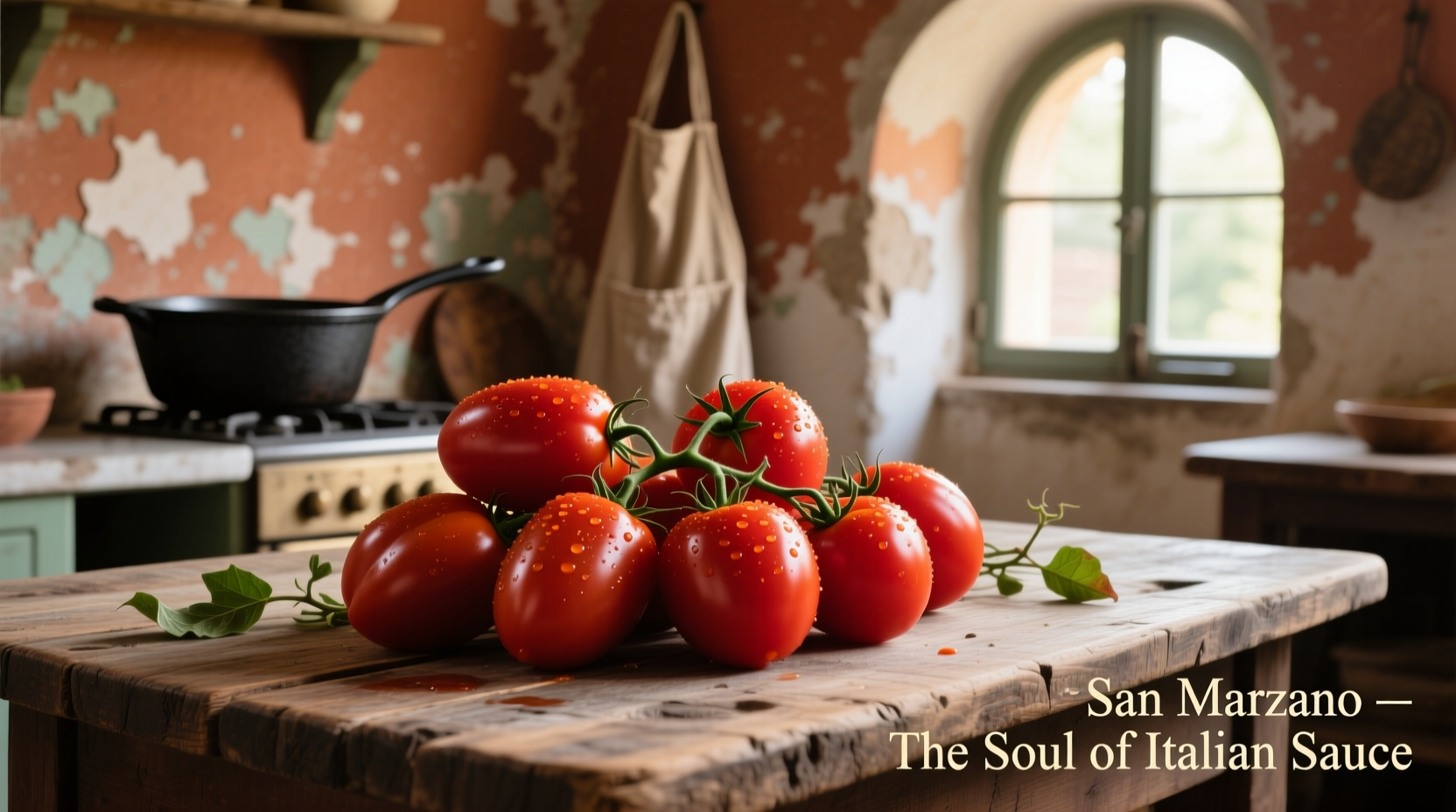
That photo? See how slender and deep red they are? Fake versions often use rounder Roma tomatoes dyed red. Trust me, your taste buds will thank you for the extra 10 seconds of label-checking.
When to Use (and When to Skip) San Marzano Sauce
Here's where things get real: San Marzano isn't a one-size-fits-all solution. I've seen chefs waste $$$ using it wrong. Let's break it down:
✅ Use It For:
- Neapolitan pizza: That thin, sweet base won't slide off the crust
- Quick pasta sauces: Toss with garlic and olive oil—done in 15 mins
- Raw applications: Bruschetta topping (no cooking needed!)
❌ Avoid For:
- Long-simmered ragù: Regular tomatoes develop better depth here
- Bulk cooking: Too pricey for large batches (save it for finishing)
- Kid-friendly 'mild' sauces: Their sweetness can overpower subtle flavors
Pro tip: I keep a can of real San Marzano for finishing sauces—stir in at the end for that bright, fresh kick. Never boil it aggressively; you'll kill the delicate flavor.
3 Costly Mistakes Everyone Makes (Including 'Experts')
After reviewing thousands of recipes, these myths still drive me nuts:
- 'San Marzano' just means plum-shaped tomatoes: Nope. Only DOP-certified Sarno Valley tomatoes earn the name. 'San Marzano-style' is marketing speak for Roma.
- More expensive = better: Some $8 cans are fakes while $4 DOP brands (like La Valle) deliver authenticity. Check that seal!
- They need long cooking: Wrong! Simmering >20 mins turns them bitter. Their magic is in the raw flavor.
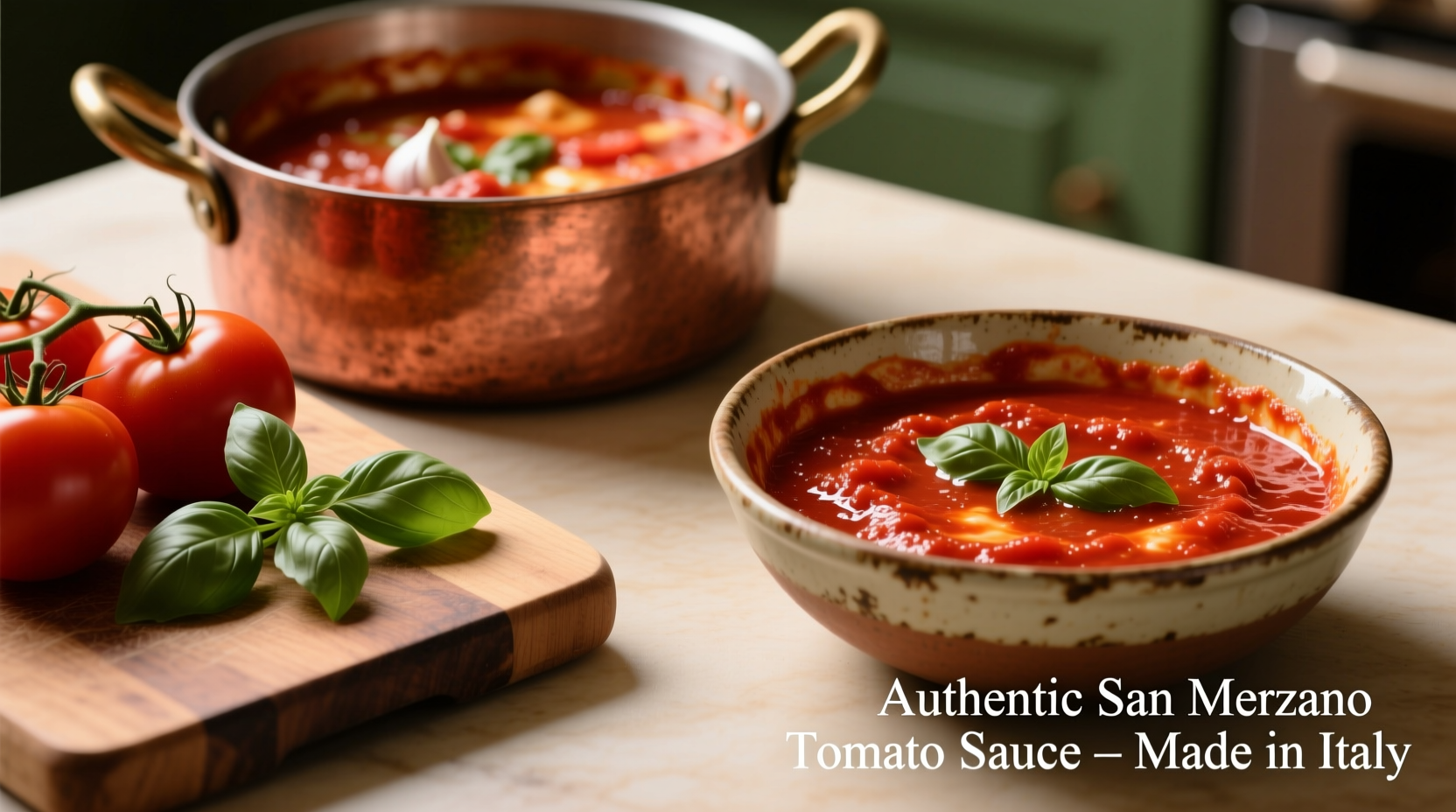
That pizza shot? See how the sauce stays vibrant red? That's because the cook didn't overcook it. Simple as that.
Your Action Plan: Buying, Storing, and Using Right
Ready to upgrade your sauce game? Here's my no-BS checklist:
- Buying: Grab DOP-certified cans from brands like La Valle or Giovanni. Skip 'imported' claims without the DOP seal.
- Storing: Unopened cans last 2 years in a cool pantry. Once opened? Transfer to glass, refrigerate, and use in 5 days—no metal containers (alters flavor).
- Using: Gently crush tomatoes by hand. Add to dishes in the last 10-15 minutes of cooking. Pair with fresh basil—not dried.
Truth is, you don't need fancy techniques. Just don't mess with the tomatoes' natural goodness. I've made this mistake myself—overcomplicating a perfect ingredient.
Everything You Need to Know
Authentic DOP San Marzano tomatoes have higher lycopene and lower sodium than processed sauces. But 'healthier' depends on usage—skip adding sugar or oil, and you get pure tomato nutrition. Watch out for imposters with citric acid or preservatives that negate benefits.
Never leave sauce in the opened can—it reacts with metal. Transfer to an airtight glass container immediately. Refrigerate and use within 5 days. Freezing works too (portion into ice cube trays), but thaw slowly in the fridge to preserve texture.
Absolutely—but adjust technique. For thicker-crust pizzas (like New York style), reduce sauce quantity by 25% since San Marzano is more concentrated. Never spread it to the edge; leave a 1/2-inch border to prevent sogginess. And seriously, skip pre-cooking the sauce.
Two likely culprits: You're using fake San Marzano (Roma tomatoes release more liquid), or you're over-processing it. Real DOP tomatoes shouldn't need draining—just gently crush by hand. If still watery, simmer uncovered for max 10 minutes. Longer than that? You've probably got imposters.
For sauce, canned DOP San Marzano are actually better than fresh. They're picked at peak ripeness and canned within hours, locking in flavor. Fresh San Marzano are rare outside Italy and often underripe when sold. Stick with certified canned versions year-round—they're the chef's secret for consistent quality.




 浙公网安备
33010002000092号
 浙B2-20120091-4