
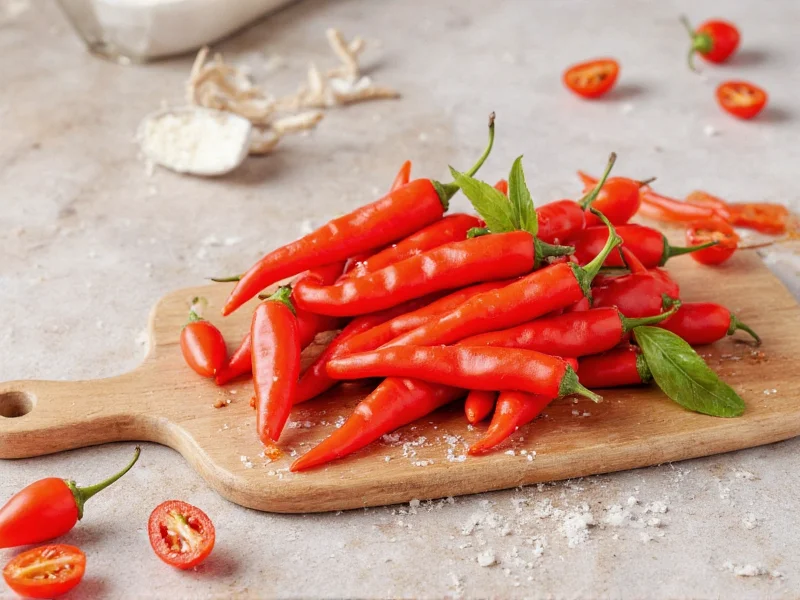
The Essential Guide to Salt and Pepper: Culinary Foundations
Understanding the proper use of salt and pepper forms the bedrock of skilled cooking. These two seasonings work synergistically to enhance natural flavors without overpowering dishes when used correctly. Professional chefs consider mastery of salt and pepper application as fundamental as knife skills—a true mark of culinary competence.
Historical Significance of Salt and Pepper
Salt has been valued since ancient times, with evidence of salt production dating back to 6000 BCE. It served not only as a seasoning but also as a preservative and even currency—the word “salary” derives from the Roman practice of paying soldiers in salt. Pepper, meanwhile, was so valuable during the Middle Ages that it was often used as collateral or even currency, earning the nickname “black gold.”
The pairing of these two seasonings became standard in European dining by the 14th century, eventually spreading globally through trade routes. Today, salt and pepper shakers appear on tables worldwide, representing one of the most universal culinary traditions.
Evolution of Salt and Pepper Trade: A Historical Timeline
Understanding the historical progression reveals why these seasonings became globally standardized. Verified through archaeological and documentary evidence:
- 6000 BCE: Earliest salt production at Hallstatt, Austria (Natural History Museum Vienna, Hallstatt Salt Mines)
- 2700 BCE: First documented salt production in China’s Shanxi province (UNESCO Intangible Cultural Heritage, Salt Production Heritage)
- 1st Century CE: Pepper established as primary Indian export via Roman trade routes (British Museum, Roman Trade Networks)
- 1340 CE: Salt and pepper shakers first documented in European dining (Cambridge University Library, Medieval Menu Collection)
- 1858 CE: Morton Salt patent introduces anti-caking agents enabling modern shaker use (USPTO Patent Archive, US Patent 22692)
Understanding Different Salt Varieties
| Type of Salt | Characteristics | Best Culinary Uses |
|---|---|---|
| Kosher Salt | Larger crystals, less dense, no additives | General cooking, seasoning meats, perfect for pinch seasoning |
| Sea Salt | Mineral-rich, varying crystal sizes | Finishing dishes, enhancing texture and flavor at the table |
| Table Salt | Finely ground, often iodized, anti-caking agents | Everyday use, baking where precise measurement matters |
| Himalayan Pink Salt | Pink hue, trace minerals, distinctive flavor | Specialty finishing, salt block cooking |
Each salt variety brings unique properties to cooking. Kosher salt’s larger crystals make it ideal for hand seasoning, as chefs can control the amount more precisely. Sea salt’s mineral content varies by source, creating subtle flavor differences between salts from Celtic waters versus Mediterranean sources. When following recipes, note that 1 teaspoon of table salt equals approximately 1½ teaspoons of kosher salt due to density differences—a crucial detail for proper salt and pepper ratio in cooking.
Pepper Varieties and Their Distinct Profiles
While black pepper dominates Western tables, understanding pepper varieties elevates your seasoning game. True pepper comes from the Piper nigrum plant, with different processing methods creating distinct varieties:
- Black Pepper: Made from unripe green berries, dried until they shrivel and turn black. Offers robust, complex heat with floral notes
- White Pepper: Made from ripe berries with the outer layer removed. Provides cleaner heat with less complexity, often used in light-colored dishes
- Green Pepper: Made from unripe berries preserved in brine or freeze-dried. Delivers fresher, more herbal notes
- Pink Peppercorns: Not true pepper but from a different plant family. Offers mild sweetness with berry notes, often used in finishing
For optimal flavor, always choose whole peppercorns and grind them fresh. Pre-ground pepper loses volatile compounds rapidly, diminishing its aromatic complexity within days. The proper salt to freshly ground pepper ratio typically ranges from 2:1 to 4:1 depending on the dish and personal preference.
Mastering Salt and Pepper Application Techniques
Seasoning isn't merely adding salt and pepper—it's a strategic process throughout cooking. Professional chefs employ several techniques:
- Layered seasoning: Add small amounts at multiple cooking stages rather than all at once
- Pinch technique: Use thumb and forefinger to control salt distribution evenly over food
- Height matters: Sprinkle from higher up for wider dispersion across the dish
- Final adjustment: Always taste and adjust seasoning just before serving
When determining the proper salt and pepper ratio for cooking, remember that salt enhances existing flavors while pepper adds its own distinct notes. Underseasoned food tastes flat, while overseasoned dishes become unpalatable. The ideal balance allows ingredients to shine through enhanced but not dominated by the seasonings.
Storage Best Practices for Long-Lasting Flavor
Proper storage maintains the quality of both seasonings. Salt, being stable, requires only moisture protection—store in an airtight container away from humidity. Pepper, however, loses potency when exposed to air, light, and heat. For maximum freshness:
- Store whole peppercorns in opaque, airtight containers
- Keep away from stoves and other heat sources
- Grind only what you'll use within 1-2 weeks for peak flavor
- Avoid storing pepper in the refrigerator where moisture can accumulate
Many home cooks wonder how to store salt and pepper properly when using traditional shakers. For table use, ceramic or metal shakers with adjustable holes work better than plastic, which can absorb odors. Replace the contents every 2-3 months for optimal flavor, especially with freshly ground pepper.
Common Salt and Pepper Pairing Mistakes to Avoid
Even experienced cooks sometimes misapply these fundamental seasonings. Watch for these common errors:
- Seasoning too late: Adding salt only at the end doesn't allow it to penetrate and balance flavors throughout cooking
- Using the wrong salt: Substituting table salt for kosher in equal measures creates oversalted dishes
- Over-reliance on pre-ground pepper: Loses 70% of its volatile flavor compounds within days
- Not tasting as you go: Each cooking stage changes seasoning requirements
- Ignoring dish temperature: Cold dishes require more seasoning than hot ones to achieve the same perceived flavor
Understanding these nuances transforms basic seasoning into a precise culinary skill. The history of salt and pepper as seasonings shows their enduring importance, but modern cooking demands thoughtful application rather than automatic sprinkling.
Special Considerations for Dietary Needs
For those monitoring sodium intake, strategic salt use becomes crucial. Rather than eliminating salt entirely, consider these approaches:
- Use flaky sea salts that provide more flavor perception with less sodium by weight
- Apply salt primarily to food surfaces rather than incorporating throughout
- Enhance with acid (lemon juice, vinegar) which can reduce needed salt by up to 30%
- Explore salt-free pepper blends with complementary herbs for additional flavor dimensions
Contextual Boundaries for Salt Substitutes
Research shows salt alternatives have specific culinary limitations that affect implementation:
- Potassium-based substitutes: Impart metallic aftertaste in dairy applications and react negatively with tomatoes (American Heart Association, Sodium Substitutes Guide)
- Herb blends: Effective in robust dishes (stews, grilled meats) but overwhelm delicate preparations like poached fish
- Flaky salts: Create intense flavor bursts unsuitable for even seasoning in long-cooked dishes like braises
Pepper generally poses few health concerns in culinary amounts, though those with specific digestive conditions may need to moderate intake. The health benefits of black pepper include enhanced nutrient absorption, particularly for turmeric's curcumin.
Conclusion: Elevating Your Seasoning Skills
Mastering salt and pepper—often misspelled as “salt peppa”—represents culinary fundamentals that separate adequate cooking from exceptional dishes. By understanding the different types of pepper for seasoning, proper salt varieties for various cooking techniques, and strategic application methods, you transform ordinary meals into extraordinary experiences. Remember that seasoning isn't about covering flavors but revealing and enhancing them—a delicate balance that defines skilled cooking.




 浙公网安备
33010002000092号
浙公网安备
33010002000092号 浙B2-20120091-4