
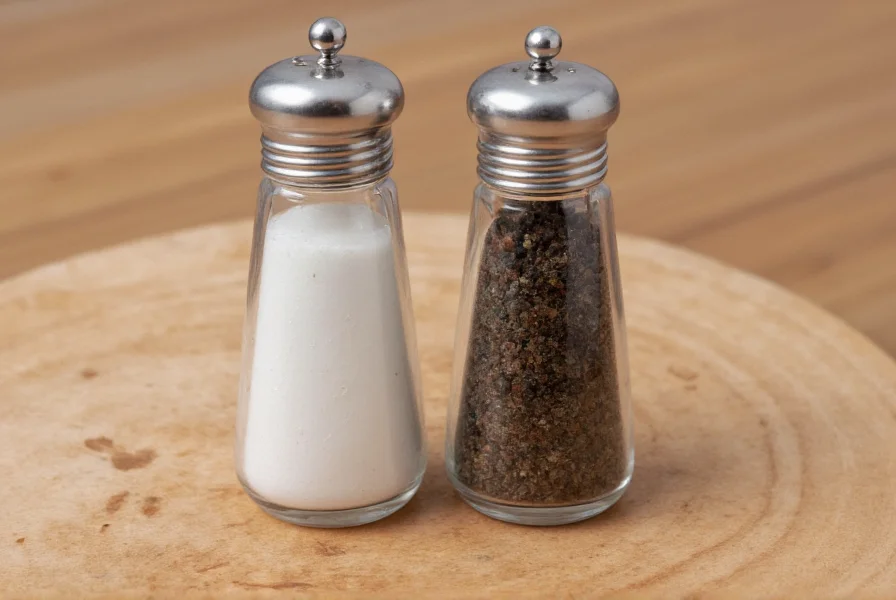
Salt and pepper shakers serve as essential tableware in homes and restaurants worldwide, providing convenient access to these fundamental seasonings during meals. Understanding their design, history, and proper usage can significantly enhance your dining experience while preserving the quality of your seasonings.
A Brief History of Salt and Pepper Shakers
The evolution of salt and pepper shakers reflects changing dining customs and manufacturing capabilities. Before the 19th century, salt was considered more valuable than pepper and was often kept in elaborate salt cellars. Wealthy households displayed salt prominently as a status symbol, while pepper remained a luxury item stored in locked containers.
The modern salt and pepper shaker design emerged in the late 1800s when mass production made glass and ceramic containers affordable. The iconic paired design became standard in the early 20th century as dining etiquette evolved to include both seasonings at every place setting. Understanding the history of salt and pepper shakers reveals how dining culture has transformed over centuries.
Key Evolutionary Milestones
- Pre-1800s: Salt stored in ornate salt cellars as status symbols; pepper locked away due to extreme value (Source: Smithsonian National Museum of American History)
- 1840s: First mass-produced glass shakers introduced, democratizing access beyond elite households (Source: The Metropolitan Museum of Art)
- 1920s: Standardized paired design becomes ubiquitous in American dining culture with distinct hole patterns (Source: National Institutes of Health Food History Archives)
Materials and Their Impact on Performance
When considering what material is best for salt and pepper shakers, several options exist, each with distinct advantages:
| Material | Advantages | Disadvantages | Best For |
|---|---|---|---|
| Glass | Non-reactive, shows contents, easy to clean | Can break, may show water spots | Everyday use, salt storage |
| Ceramic | Attractive designs, good for display | Porous, can absorb moisture | Pepper storage, decorative purposes |
| Metal (stainless) | Durable, moisture-resistant | Can react with salt over time | Commercial settings, pepper storage |
| Wood | Natural aesthetic, good for pepper | Absorbs moisture, not for salt | Pepper storage only |
Material selection directly impacts seasoning quality. Salt's hygroscopic nature means it attracts moisture, making certain materials unsuitable. This explains why many high-quality sets use different materials for each shaker—glass or ceramic for salt, and wood or metal for pepper.
Understanding Hole Design and Functionality
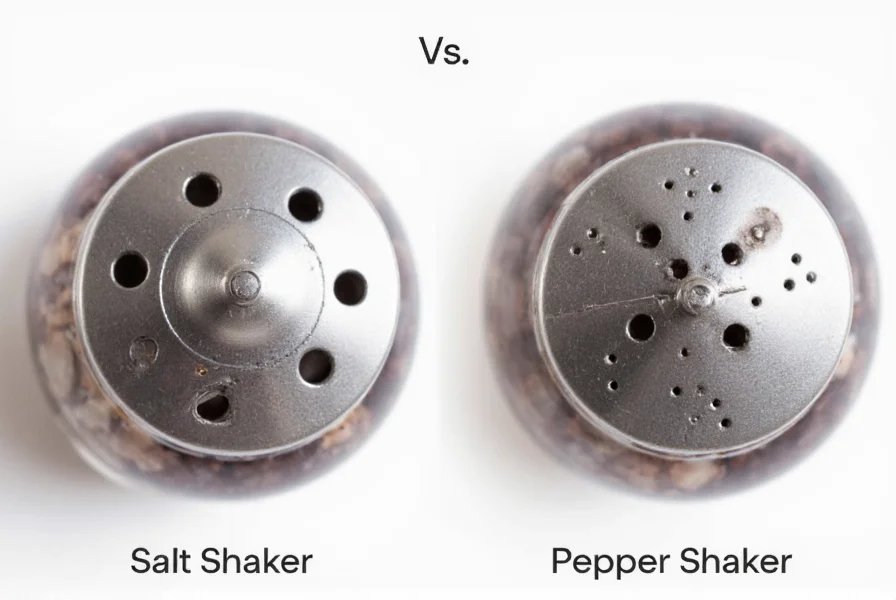
One of the most frequently asked questions is why salt and pepper shakers have different holes. The answer lies in the physical properties of each seasoning:
- Salt shakers typically have 3-4 larger holes to accommodate salt's finer grains
- Pepper shakers feature 1-2 smaller holes to control the coarser pepper distribution
This design difference ensures proper seasoning flow without clogging. Some premium shakers incorporate specialized mechanisms like grinders for pepper or anti-caking systems for salt, addressing common issues with traditional shaker designs.
Selecting the Right Shakers for Your Needs
When determining how to choose salt and pepper shakers, consider these practical factors:
Intended use: Everyday dining requires durable, easy-to-clean shakers, while special occasions might call for more decorative options. Restaurant settings benefit from weighted bases and standardized hole patterns for consistent seasoning.
Storage capacity: Larger households need higher capacity shakers to minimize frequent refilling. Consider your typical usage patterns when selecting size.
Maintenance requirements: Some materials require special cleaning methods. Glass and stainless steel offer the easiest maintenance, while wood needs careful drying to prevent cracking.
Ergonomics: Look for shakers with comfortable grips and balanced weight distribution, especially if you have limited hand strength or dexterity.
Proper Usage and Maintenance Techniques
Following proper way to use salt and pepper shakers extends their lifespan and maintains seasoning quality:
Seasoning selection matters: Not all salts work well in shakers. Fine table salt flows easily, while sea salt or kosher salt may require larger holes or specialized shakers. For pepper, freshly ground offers superior flavor but requires a grinder mechanism rather than traditional holes.
Cleaning protocols: Regular cleaning prevents clogging and maintains hygiene. For glass or ceramic shakers, use warm soapy water and a small brush. Metal shakers benefit from occasional vinegar soaks to prevent salt corrosion. Never put wooden shakers in dishwashers.
Environmental limitations: Purdue University research confirms salt begins absorbing moisture at relative humidity levels above 50%, causing rapid caking in porous materials like ceramic within 30 days. In environments exceeding 60% humidity, non-porous materials (glass/stainless steel) become essential for functional salt shakers. Source
Storage considerations: Keep shakers away from direct sunlight and moisture sources. In humid environments, add a few grains of uncooked rice to salt shakers to absorb excess moisture and prevent caking.
Cultural Variations in Salt and Pepper Usage
Dining customs around salt and pepper shakers vary significantly across cultures. In many European countries, salt and pepper are considered personal seasonings, with guests expected to adjust to their own taste rather than seasoning food during cooking. Japanese dining traditions often feature specialized soy sauce dispensers rather than Western-style shakers.
The placement of shakers also carries cultural significance. In formal Western settings, salt and pepper shakers typically appear after the main course is served, while casual settings feature them from the beginning. Understanding these nuances helps navigate salt and pepper shaker etiquette in diverse dining situations.




 浙公网安备
33010002000092号
浙公网安备
33010002000092号 浙B2-20120091-4