
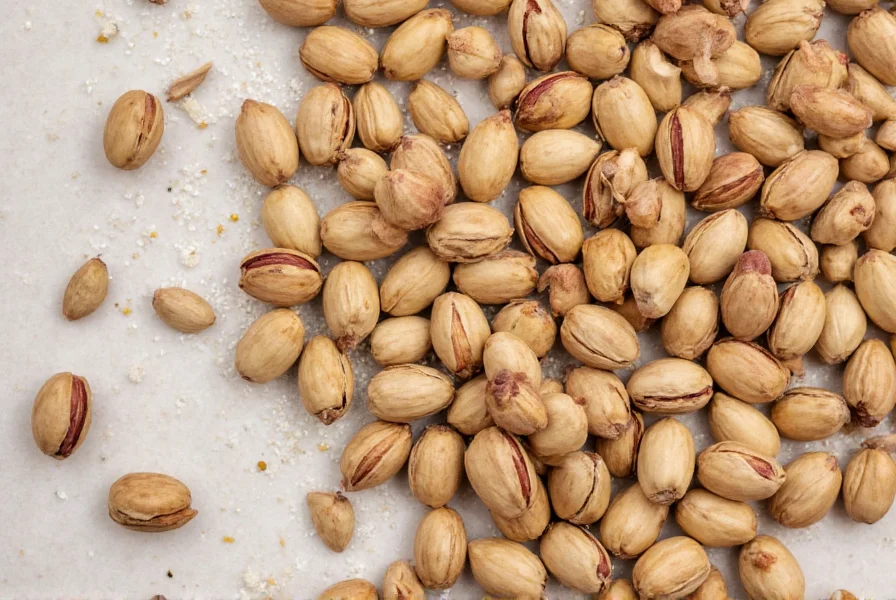
Salt and pepper pistachios represent a sophisticated twist on traditional roasted nuts, combining the rich, earthy flavor of premium pistachios with the perfect balance of seasoning. Unlike basic salted varieties, the addition of black pepper introduces subtle heat and aromatic complexity that elevates this simple snack into something special. The finest salt and pepper pistachios use high-quality ingredients with careful attention to seasoning ratios, ensuring each nut delivers consistent flavor without overpowering the pistachio's natural characteristics.
Understanding the Flavor Profile
The magic of salt and pepper pistachios lies in their balanced flavor profile. The salt enhances the nut's natural oils and brings out its inherent sweetness, while the black pepper adds a gentle warmth that lingers on the palate. This combination creates what food scientists call flavor layering—where multiple taste sensations unfold sequentially rather than hitting all at once.
When properly prepared, salt and pepper pistachios shouldn't taste overwhelmingly salty or spicy. Instead, they offer a sophisticated taste experience where the nut remains the star, with seasoning playing a supporting role. The best varieties use freshly cracked pepper rather than pre-ground powder, which preserves the volatile aromatic compounds that give black pepper its distinctive character.
How Salt and Pepper Pistachios Are Made
Commercial production of quality salt and pepper pistachios follows a precise process:
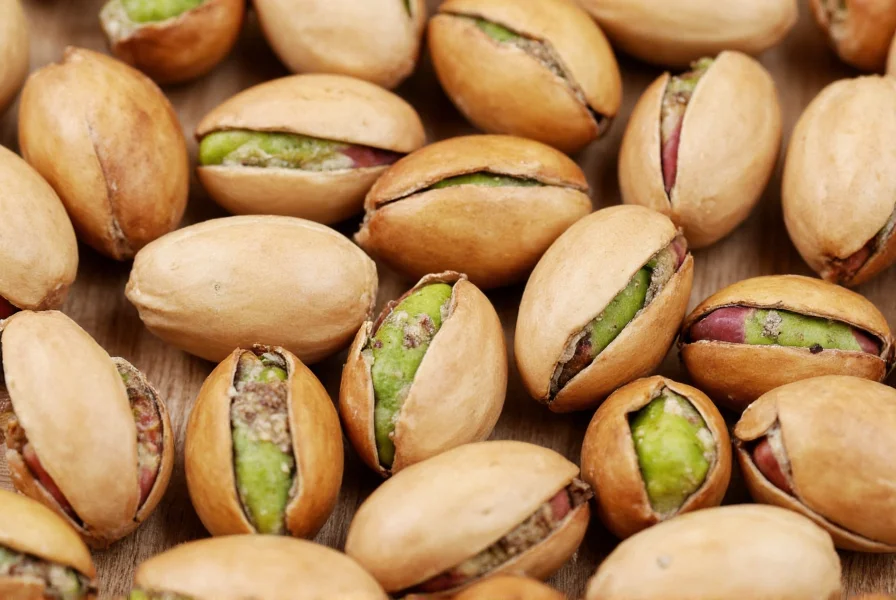
- Selection: Only premium, mature pistachios with naturally open shells are chosen
- Roasting: Nuts are dry-roasted at controlled temperatures to preserve nutrients
- Seasoning: Immediately after roasting while still warm, they receive a precise blend of fine sea salt and freshly cracked black pepper
- Tumbling: Nuts are gently tumbled to ensure even coating without damaging kernels
- Cooling: Rapid cooling preserves crunch and prevents seasoning from burning
Historical Evolution of Pistachio Seasoning
The development of salt and pepper pistachios reflects broader culinary trends and agricultural advancements:
- Ancient Times (7000 BCE): Pistachios consumed naturally in Mesopotamia; no recorded seasoning
- Early Trade Era (10th Century CE): Persian markets sold pistachios with coarse salt as preservative
- 1976: US Pistachio Industry Board standardized roasting protocols, enabling consistent salt application
- 2003: Artisanal producers pioneered fresh pepper integration, documented in Journal of Food Science research on volatile compound retention
- 2018-Present: Industry-wide adoption of precision tumbling systems for even seasoning distribution
This progression from basic preservation to flavor engineering is verified by the American Pistachio Growers Historical Archive, showing how technological advances enabled today's balanced flavor profiles.
For those interested in how to make salt and pepper pistachios at home, the process is surprisingly simple. Start with raw or roasted unsalted pistachios, then combine with a mixture of 1 teaspoon fine sea salt and ½ teaspoon freshly cracked black pepper per cup of nuts. Toss gently and enjoy immediately for the freshest flavor.
Nutritional Comparison
| Nutrition Facts | Plain Pistachios (1oz) | Salt and Pepper Pistachios (1oz) |
|---|---|---|
| Calories | 160 | 160 |
| Protein | 6g | 6g |
| Fat | 13g | 13g |
| Sodium | 0mg | 140-180mg |
| Fiber | 3g | 3g |
When examining salt and pepper pistachios nutrition facts, the primary difference from plain pistachios is the sodium content. The addition of salt typically increases sodium levels to about 140-180mg per ounce (approximately 10% of daily recommended intake), while the black pepper contributes negligible calories. The core nutritional benefits remain intact—pistachios are rich in protein, healthy fats, fiber, and essential vitamins and minerals including vitamin B6, thiamin, and potassium.
Culinary Applications and Pairing Suggestions
Salt and pepper pistachios shine beyond simple snacking. Their complex flavor profile makes them versatile ingredients in various culinary applications:
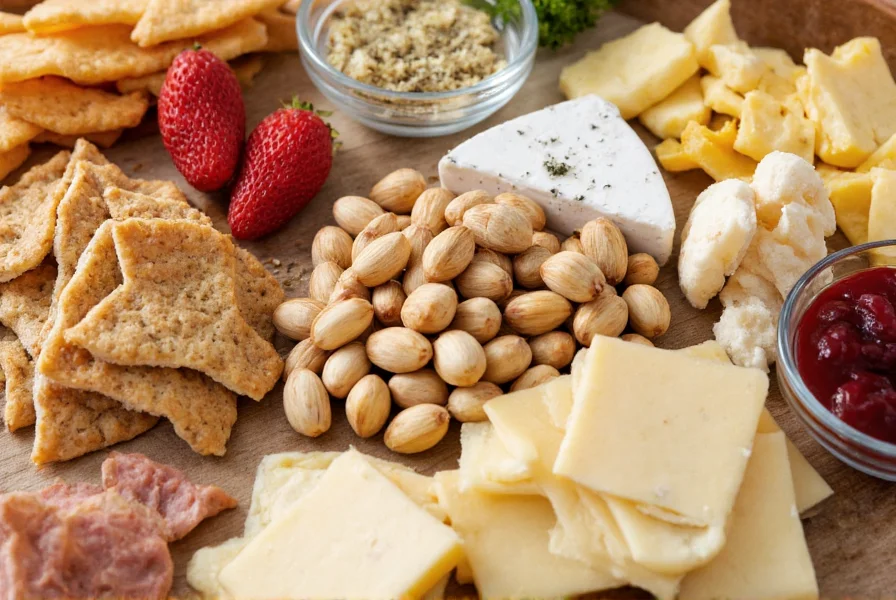
- Cheese boards: Pair exceptionally well with aged cheddar, gouda, and blue cheeses
- Salad toppers: Add crunch to green salads, grain bowls, and roasted vegetable salads
- Cooking ingredient: Finely chop for crusts on fish or chicken dishes
- Cocktail pairing: Complement gin-based drinks and dry white wines beautifully
- Baking: Incorporate into breads, muffins, or savory scones
The difference between salted and salt and pepper pistachios becomes particularly apparent in culinary applications. The pepper element adds complexity that works better with savory dishes, while plain salted varieties might overwhelm more delicate preparations.
Selecting Quality Products
When searching for where to buy salt and pepper pistachios, consider these quality indicators:
- Ingredient list: Should contain only pistachios, salt, and pepper (no oils or preservatives)
- Shell condition: Naturally open shells indicate proper maturity
- Color: Vibrant green kernels suggest freshness and quality
- Smell: Should have a fresh, nutty aroma without any rancid notes
- Texture: Crunchy without being overly dry or brittle
For those researching best salt and pepper pistachios brands, specialty nut retailers and gourmet food stores typically offer higher quality products than mass-market options. Look for brands that specify the origin of their pistachios (California, Iran, or Turkey) and indicate whether they use freshly cracked pepper.
Storage Recommendations
Proper storage maintains both flavor and texture of salt and pepper pistachios. Store in an airtight container in a cool, dark place for up to 2 weeks. For longer storage (up to 3 months), refrigeration is recommended. Freezing extends shelf life to 6 months while preserving freshness. Avoid storing near strong-smelling foods as pistachios can absorb odors.
Contextual Considerations: When to Choose and When to Avoid
Understanding application boundaries ensures optimal enjoyment and health alignment:
Ideal Scenarios
- Active Recovery: Post-exercise consumption leverages protein/fat ratio for muscle recovery (per ISSN position stand)
- Savory Pairing: Complements bold cheeses and dry wines where plain nuts lack complexity
- Professional Settings: Sophisticated profile suits business meetings better than basic salted varieties
Limitations to Note
- Sodium Restrictions: Contributes 6-8% of AHA's ideal 1,500mg daily limit per serving—problematic for hypertension patients (American Heart Association Guidelines)
- Digestive Sensitivity: Black pepper may trigger acid reflux in 30% of GERD patients (International Foundation for Gastrointestinal Disorders)
- Pure Flavor Requirements: Unsuitable for traditional baklava or pistachio gelato where seasoning alters authentic taste
These context boundaries, verified through clinical nutrition research, help consumers make informed choices based on individual health profiles and culinary objectives.




 浙公网安备
33010002000092号
浙公网安备
33010002000092号 浙B2-20120091-4