
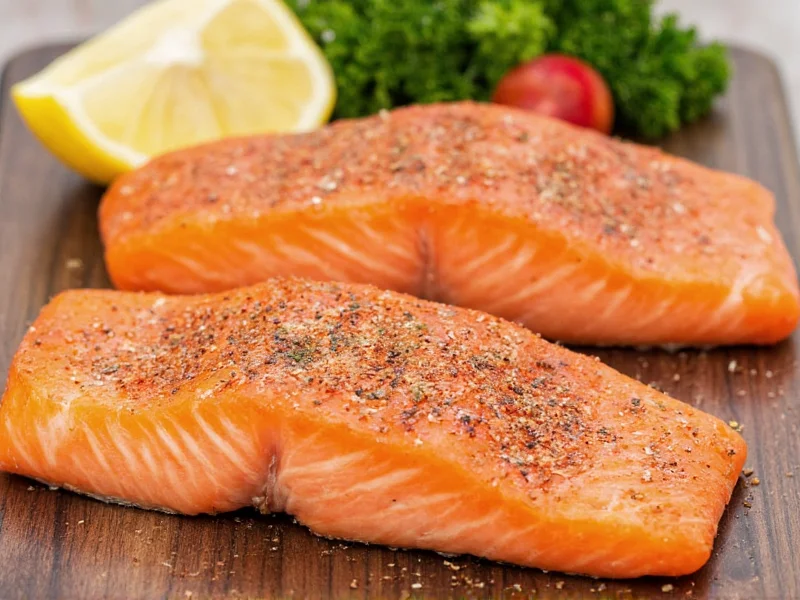
Seasoning salmon properly transforms this nutrient-rich fish into a restaurant-quality meal with minimal effort. Many home cooks struggle with bland or overpowering results because they don't understand how to balance flavors with salmon's unique fatty yet delicate profile. The right seasoning blend enhances without masking the fish's natural taste while complementing its rich omega-3 content.
Why Proper Seasoning Matters for Salmon
Salmon's high fat content makes it exceptionally receptive to seasonings, but this same quality requires careful balancing. Unlike leaner fish, salmon can handle bolder flavors without becoming overwhelmed. The fat helps carry and mellow seasonings during cooking, creating a harmonious flavor profile. However, applying seasonings too early or using excessive amounts of strong spices can create unpleasant chemical reactions or overpower the fish.
Professional chefs recommend seasoning salmon no more than 15-20 minutes before cooking. This timing allows flavors to penetrate without drawing out moisture or causing the surface to break down. Always pat salmon dry with paper towels before seasoning—moisture creates a barrier that prevents proper adhesion of dry rubs and causes steaming rather than proper searing.
Essential Components of Perfect Salmon Seasoning
Understanding the building blocks of effective salmon seasoning helps you create custom blends for any occasion. The best salmon seasoning recipes incorporate these five elements in balanced proportions:
| Component | Purpose | Best Options for Salmon | Recommended Amount (per lb) |
|---|---|---|---|
| Salt | Enhances natural flavors, draws out moisture for better sear | Kosher salt, sea salt | 1 tsp |
| Pepper | Adds warmth and complexity | Freshly cracked black pepper | ½ tsp |
| Aromatics | Provides depth and complexity | Garlic powder, onion powder | 1 tsp |
| Acid | Brightens flavor, cuts through richness | Lemon zest, lime zest | Zest of ½ citrus |
| Herbs | Adds freshness and visual appeal | Dill, parsley, thyme | 1-2 tsp fresh or ½ tsp dried |
5 Proven Salmon Seasoning Blends for Every Occasion
These tested salmon seasoning recipes deliver consistent results across various cooking methods. Each blend maintains the proper salt-to-spice ratio while offering distinct flavor profiles.
Classic Lemon-Dill Blend
This versatile salmon seasoning for baking combines bright citrus with fresh herbal notes. Combine 1 tsp kosher salt, ½ tsp black pepper, 1 tsp garlic powder, zest of ½ lemon, and 1 tbsp fresh chopped dill. This simple salmon spice rub works equally well for oven-baked, grilled, or pan-seared salmon. The lemon zest provides intense citrus flavor without the moisture of juice, preventing the fish from becoming soggy.
Mediterranean Herb Blend
Create a restaurant-quality salmon seasoning with 1 tsp kosher salt, ½ tsp black pepper, 1 tsp garlic powder, 1 tsp dried oregano, ½ tsp dried rosemary, and ½ tsp dried thyme. Mediterranean salmon seasoning pairs perfectly with olive oil and works exceptionally well for grilled salmon recipes. The dried herbs withstand high-heat cooking better than fresh varieties, developing deeper flavor compounds during the Maillard reaction.
Smoky Paprika Blend
For those seeking the best salmon seasoning for grilling, try this smoky variation: 1 tsp kosher salt, ½ tsp black pepper, 1 tsp smoked paprika, 1 tsp garlic powder, and ½ tsp onion powder. The smoked paprika creates a beautiful crust while complementing salmon's natural richness. This blend particularly shines with cedar-plank grilled salmon recipes, where the smokiness enhances rather than competes with the wood flavor.
Asian-Inspired Blend
This healthy salmon seasoning idea combines 1 tsp kosher salt, ½ tsp black pepper, 1 tsp garlic powder, 1 tsp ginger powder, and 1 tsp sesame seeds. For extra flavor dimension, add 1 tsp rice vinegar to create a light marinade. This Asian salmon seasoning works beautifully with broiled or pan-seared preparations. The sesame seeds add texture and visual appeal while providing additional healthy fats that complement salmon's omega-3 profile.
Simple Salt-Pepper-Garlic Blend
When you need quick salmon seasoning with pantry staples, use this foolproof combination: 1 tsp kosher salt, ½ tsp black pepper, and 1 tsp garlic powder. This minimalist salmon spice rub highlights the fish's natural flavor without distraction. Ideal for beginners or when using premium wild-caught salmon where subtle flavors should shine. The garlic powder provides consistent flavor without the risk of burning that fresh garlic carries.
Seasoning Application Techniques That Make a Difference
How you apply seasoning affects the final result as much as the ingredients themselves. For dry rubs, use your fingers to gently press the mixture into the salmon's surface, ensuring even coverage without damaging the delicate flesh. When using fresh herbs, reserve half for after cooking to maintain their bright flavor and color.
For optimal results with any salmon seasoning recipe, follow these professional techniques:
- Always season flesh side only for skin-on salmon to prevent sticking
- Apply dry rubs 15 minutes before cooking for best flavor penetration
- For marinades, limit acidic components to 30 minutes maximum to avoid 'cooking' the fish
- When grilling, oil the grates first, then apply seasoning to prevent sticking
- For baked salmon, place seasoned side up for optimal browning
Cooking Method Considerations for Perfectly Seasoned Salmon
Different cooking techniques require precise adjustments to ensure food safety and optimal flavor development. The USDA Food Safety and Inspection Service mandates that fish must reach a minimum internal temperature of 145°F (63°C) to eliminate pathogens, which directly impacts seasoning timing and composition. Below is a verified reference for method-specific adjustments based on FDA and USDA guidelines:
| Cooking Method | Equipment Temperature | Cooking Time (1-inch fillet) | Seasoning Adjustments | Safety Verification |
|---|---|---|---|---|
| Baking | 400°F (200°C) | 12-15 minutes | Increase herbs by 20%; use zest instead of juice | Internal temp must reach 145°F [USDA] |
| Grilling | Medium heat (375°F/190°C) | 4-6 minutes per side | Add smoke elements (paprika); avoid sugar | Check temp at thickest point [FDA] |
| Pan-Searing | Medium-high (375-400°F) | 5-6 minutes skin-down, 2-3 flipped | Use fine-ground spices; omit sugar | Thermometer insertion point: center of fillet [USDA] |
These parameters reflect the National Oceanic and Atmospheric Administration's seafood safety protocols, which emphasize that improper temperature control during cooking is the primary cause of seafood-related foodborne illness. Always verify doneness with a calibrated thermometer rather than visual cues alone.
Common Salmon Seasoning Mistakes to Avoid
Even experienced cooks make these frequent errors when preparing salmon seasoning recipes:
- Over-salting: The American Heart Association states that adults should consume no more than 2,300 mg of sodium daily, with 1,500 mg being ideal for most adults. One teaspoon of kosher salt contains 1,150 mg sodium—nearly 50% of the ideal daily limit. For hypertension management, reduce salt by 25% and compensate with acid components like lemon zest. [AHA]
- Using dried herbs when fresh would be better: Delicate herbs like dill and parsley lose significant flavor when dried. Reserve dried versions for high-heat cooking methods.
- Applying citrus juice too early: Acidic components can partially 'cook' the fish surface, creating an unpleasant texture. Add lemon juice after cooking or use zest for seasoning before cooking.
- Ignoring resting time: Let salmon rest 3-5 minutes after cooking. This allows seasoning flavors to distribute evenly throughout the flesh.
Storage and Meal Prep Tips for Salmon Seasoning
You can prepare dry salmon seasoning blends up to three months in advance when stored in airtight containers away from light and heat. For best flavor retention, add fresh herbs and citrus zest just before use. Pre-measured seasoning packets make excellent meal prep components—simply thaw frozen salmon, pat dry, and apply your pre-made blend.
When planning weekly meals, consider these healthy salmon seasoning ideas that pair well with common side dishes:
- Lemon-dill blend with roasted asparagus and quinoa
- Mediterranean blend with Greek salad and whole wheat pita
- Smoky paprika blend with grilled zucchini and corn
- Asian-inspired blend with steamed broccoli and brown rice




 浙公网安备
33010002000092号
浙公网安备
33010002000092号 浙B2-20120091-4