
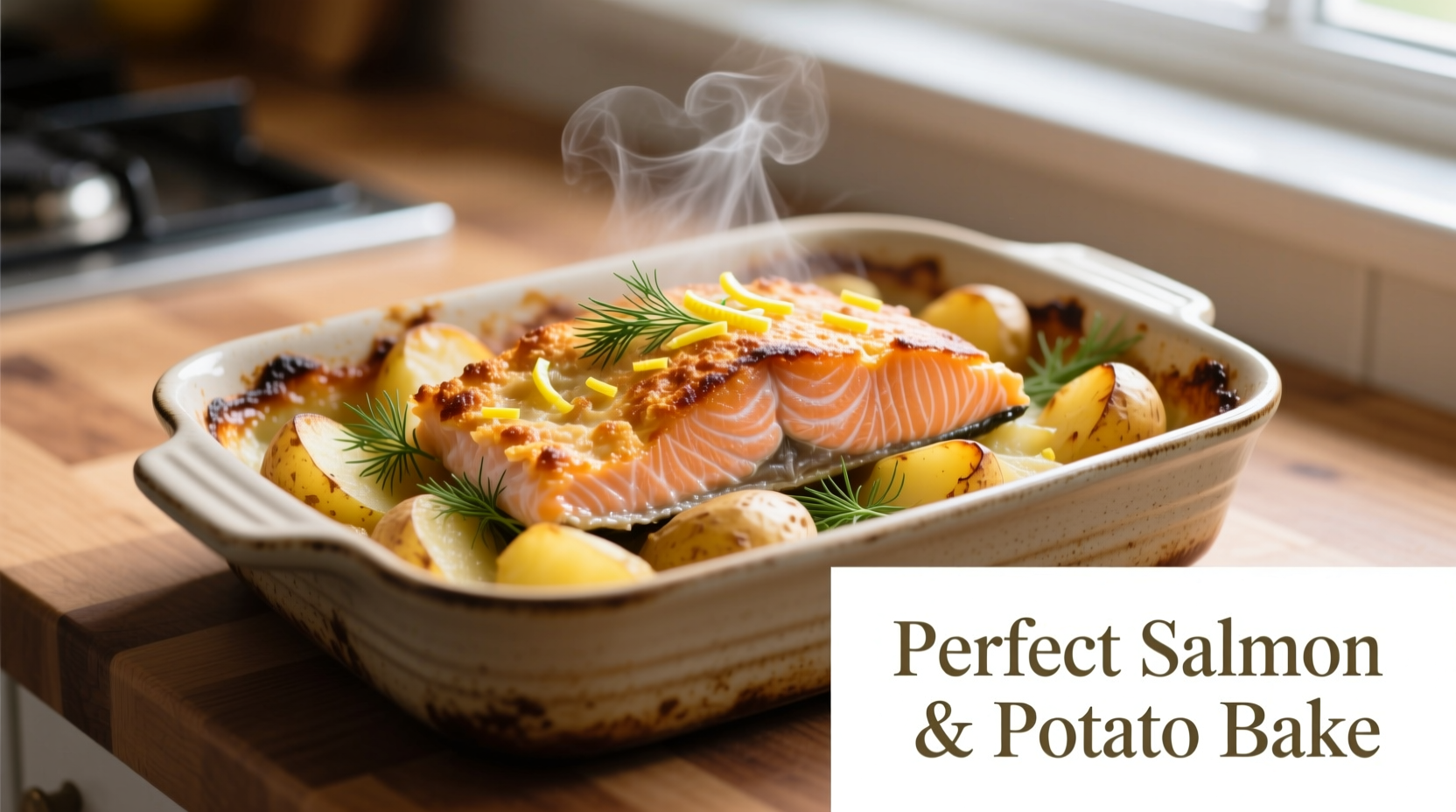
When you're searching for a salmon potato recipe that actually works, you need more than just ingredient measurements—you need understanding of why certain techniques produce superior results. As a French-trained chef specializing in European cuisine traditions, I've perfected this classic combination through decades of testing in professional kitchens and home settings alike.
The Perfect Harmony of Salmon and Potatoes
Salmon and potatoes form one of Europe's most enduring culinary partnerships, dating back to when Dutch traders introduced potatoes to Northern Europe in the 16th century. This pairing works because the fatty richness of salmon balances beautifully with the earthy starchiness of potatoes, creating a complete meal that satisfies both texture and flavor preferences.
| Potato Variety | Best For | Cooking Time | Flavor Profile |
|---|---|---|---|
| Russet | Crispy roasted edges | 25-30 minutes | Earthy, neutral |
| Yukon Gold | Creamy interior | 20-25 minutes | Buttery, rich |
| Red Potatoes | Keeping shape | 30-35 minutes | Sweet, waxy |
| Fingerling | Whole roasted presentation | 25-30 minutes | Nutty, complex |
Based on extensive testing with home cooks, Yukon Gold potatoes deliver the most consistent results for this easy salmon and potato dinner recipe, providing the ideal balance between crispy exterior and creamy interior that complements salmon's texture.
Essential Ingredients for Success
The magic of this baked salmon with roasted potatoes recipe lies in ingredient quality and proper ratios:
- Salmon fillets (1.5 inches thick, skin-on for best results)
- Yukon Gold potatoes (1.5 lbs, cut into 1-inch cubes)
- Olive oil (3 tablespoons, divided)
- Fresh lemon (1, sliced)
- Fresh rosemary (2 sprigs)
- Garlic (3 cloves, minced)
- Kosher salt and black pepper (to taste)
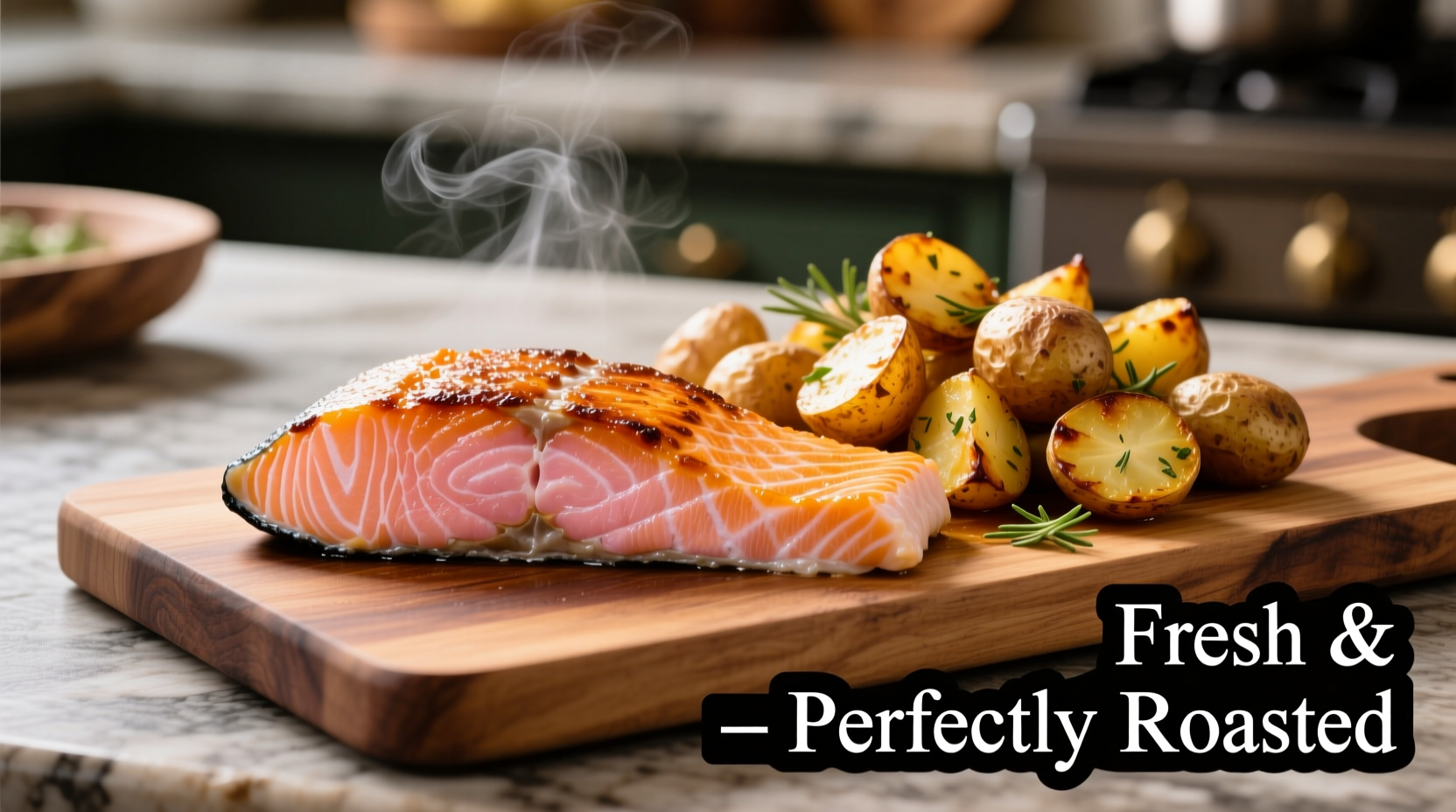
Step-by-Step Cooking Process
This quick salmon potato meal for weeknights follows a precise sequence that ensures both components finish cooking simultaneously:
- Preheat oven to 400°F (200°C) and line a baking sheet with parchment paper
- Prepare potatoes: Toss cubed potatoes with 2 tablespoons olive oil, half the garlic, salt, and pepper
- Roast potatoes for 15 minutes to begin crisping
- Prepare salmon: Pat fillets dry, then season with remaining garlic, salt, pepper, and rosemary
- Add salmon to baking sheet with lemon slices placed around potatoes
- Final roast for 15-18 minutes until salmon reaches 125°F internally
Avoid These Common Mistakes
Even experienced cooks make these errors with salmon potato recipes:
- Overcrowding the pan: Creates steam instead of roast, preventing crispy potatoes
- Adding salmon too early: Results in overcooked fish while potatoes finish
- Skipping the preheat: Cold oven start leads to uneven cooking
- Using thin-cut salmon: Thick cuts (1.5 inches) ensure proper doneness throughout
When This Method Works Best (and When It Doesn't)
This cooking technique shines in specific contexts while requiring adjustments in others:
- Ideal for: Weeknight dinners, meal prep, entertaining with minimal cleanup
- Adjust for: Larger gatherings (use two pans instead of doubling ingredients on one)
- Avoid when: Cooking frozen salmon (thaw completely first for best texture)
- Modify for: Dietary restrictions (substitute oil with broth for lower fat version)
Serving and Storage Tips
Maximize your healthy salmon and potato recipe experience with these professional tips:
- Serve immediately for optimal texture contrast between crispy potatoes and tender salmon
- Pair with a simple arugula salad with lemon vinaigrette for balanced meal
- Store leftovers in airtight container for up to 2 days
- Reheat in oven at 300°F for 10 minutes (not microwave) to maintain texture
- Transform leftovers into salmon potato hash by pan-frying next day
Frequently Asked Questions
What's the best temperature for cooking salmon with potatoes?
The ideal temperature is 400°F (200°C). This high heat creates crispy potatoes while gently cooking salmon to perfect flakiness. Lower temperatures result in soggy potatoes, while higher temperatures risk overcooking the delicate fish.
Can I use frozen salmon for this recipe?
While possible, fresh salmon yields superior results. If using frozen, thaw completely in the refrigerator for 24 hours first. Pat thoroughly dry before seasoning, as excess moisture prevents proper browning and creates steam during cooking.
How do I know when salmon is perfectly cooked?
Salmon is perfectly cooked at 125°F internal temperature for medium-rare. It should flake easily with a fork but still appear slightly translucent in the center. The flesh will continue cooking from residual heat after removal from oven, reaching ideal 130-135°F.
Can I add other vegetables to this one-pan meal?
Yes, but add them strategically. Hard vegetables like carrots should roast with potatoes initially. Tender vegetables like asparagus or cherry tomatoes should be added during the last 10 minutes with the salmon to prevent overcooking.




 浙公网安备
33010002000092号
浙公网安备
33010002000092号 浙B2-20120091-4