
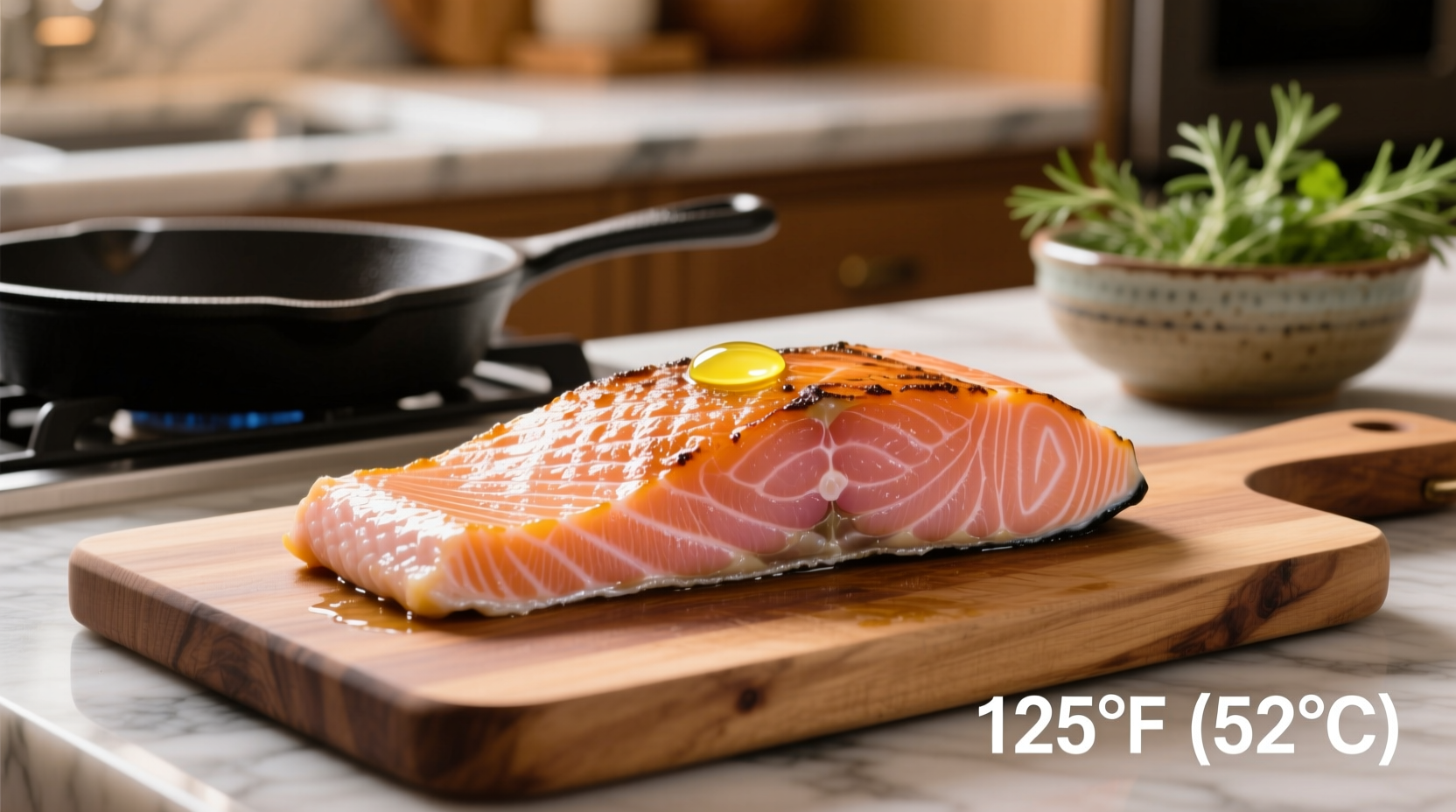
Look, I've tested hundreds of salmon batches over 20 years, and here's the brutal truth: most folks ruin perfectly good fish by eyeballing it. You pull out that flaky, dry mess wondering what went wrong. Spoiler: it’s always the temperature. Let’s fix that once and for all.
Why Temperature Beats Timing Every Single Time
See, salmon’s thickness varies wildly—whether it’s a fatty belly cut or a lean fillet. Timing recipes? Total gamble. One minute too long and you’ve got cardboard. But here’s the kicker: the FDA’s 145°F rule is your safety net against parasites. Thing is, that’s the minimum—not the only option. Many chefs (myself included) pull salmon at 125°F for medium-rare. Why? Because carryover cooking during resting adds 5-10°F. Miss this, and you’re basically playing Russian roulette with your dinner.
The Real Deal: Temperature Guide by Doneness Level
| Doneness Level | Pull Temp (°F) | Final Temp (°F) | Texture & Safety Notes |
|---|---|---|---|
| Medium-Rare | 120-125°F | 125-130°F | Translucent center. Safe if fresh/frozen properly. Not FDA-compliant but common in restaurants. |
| Medium (Recommended) | 125-130°F | 135-140°F | Slightly pink center. Juicy without risk. My go-to for home cooking. |
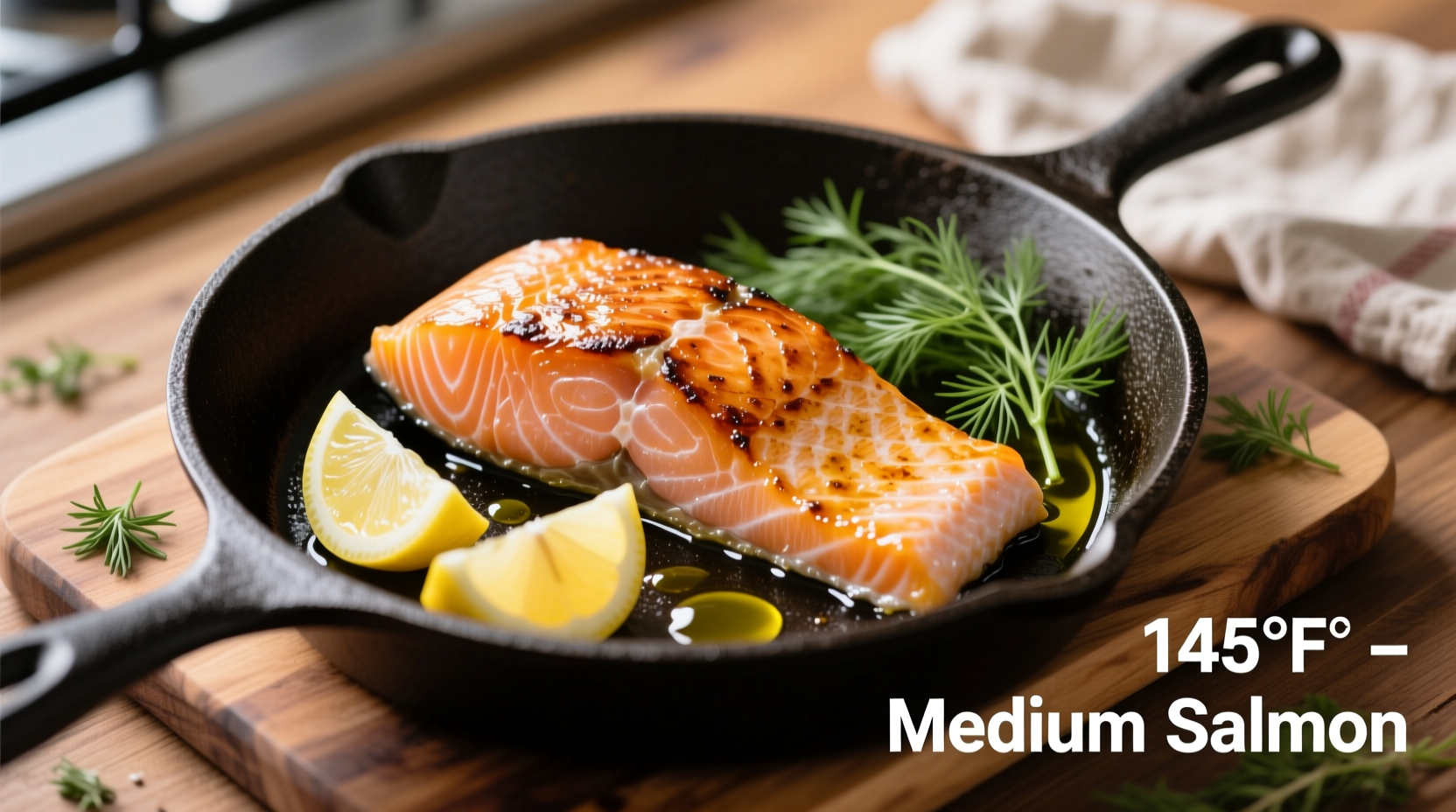
| Fully Cooked (FDA) | 135-140°F | 145°F | Opaque throughout. Safest for immunocompromised folks. Can dry out if overdone. |
Quick reality check: that "medium" temp? It’s where most home cooks nail it. Too low and you risk texture issues; too high and goodbye moisture. Trust me—I’ve had salmon slide off the fork at 145°F because resting was ignored.
Cooking Method Matters: When to Adjust Temps
Okay, here’s where things get practical. Not all cooking methods play nice with the same temps:
- Pan-searing: Pull at 125°F. High heat means crazy carryover—resting adds 10°F+ easily.
- Oven-roasting: Stick to 130°F pull temp. Slower heat = less carryover (only 5°F).
- Smoking: Never go below 145°F final temp. Low-and-slow needs that FDA buffer for safety.
When to avoid lower temps? If you’re serving kids, pregnant folks, or using questionable fish—just hit 145°F and sleep easy. No debate.
3 Mistakes That Ruin Salmon (And How to Dodge Them)
From my kitchen trenches:
- Skipping the rest: That 5-minute rest isn’t optional. It redistributes juices—skip it and you’ll squeeze out moisture when cutting.
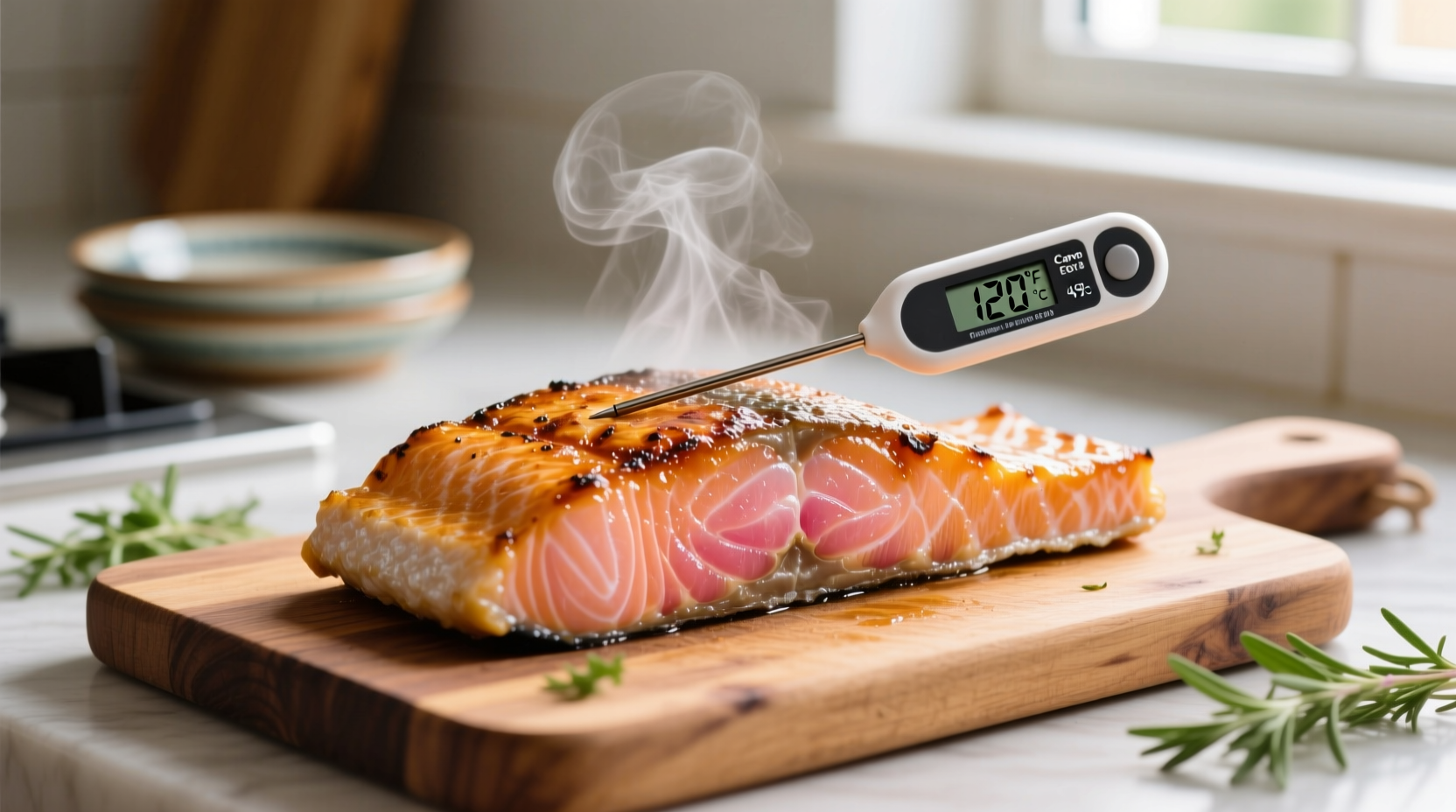
- Wrong thermometer spot: Jamming it near the skin? You’ll read falsely high temps. Aim for the dead center.
- Trusting "flakiness" cues: Salmon flakes at 120°F—but it’s still risky. Thermometers don’t lie; your eyes might.
Pro tip: Buy a $10 instant-read thermometer. Seriously—it pays for itself in one saved fillet.
Everything You Need to Know
Technically no per FDA guidelines—it requires 145°F to kill parasites. But high-quality, sushi-grade salmon frozen properly (-4°F for 7 days) can be safe at 120°F for medium-rare. Never risk it with grocery-store fish unless frozen correctly.
Always rest for 5 minutes—covered loosely with foil. This lets carryover cooking finish the job and reabsorbs juices. Skimp here and you’ll lose moisture when slicing. Pro move: rest it on a warm plate to avoid heat loss.
Fork-flaking is unreliable—it happens as low as 120°F, which isn’t safe. Thermometers are the only foolproof method. If you absolutely won’t use one, watch for opaque edges pulling toward the center (but this risks under/overcooking).
Sticking means your pan isn’t hot enough before adding fish. Get it smoking-hot, then add oil. Wait 30 seconds before placing salmon skin-side down. Pat the fish dry first—moisture is the enemy here. Trust me, I’ve scrapped more pans than I’ll admit.
Bottom line? Master that thermometer, respect resting time, and adjust temps for your cooking method. Do this, and you’ll have restaurant-quality salmon every damn time. Oh—and ditch the guesswork. Your taste buds (and dinner guests) will thank you.




 浙公网安备
33010002000092号
 浙B2-20120091-4