
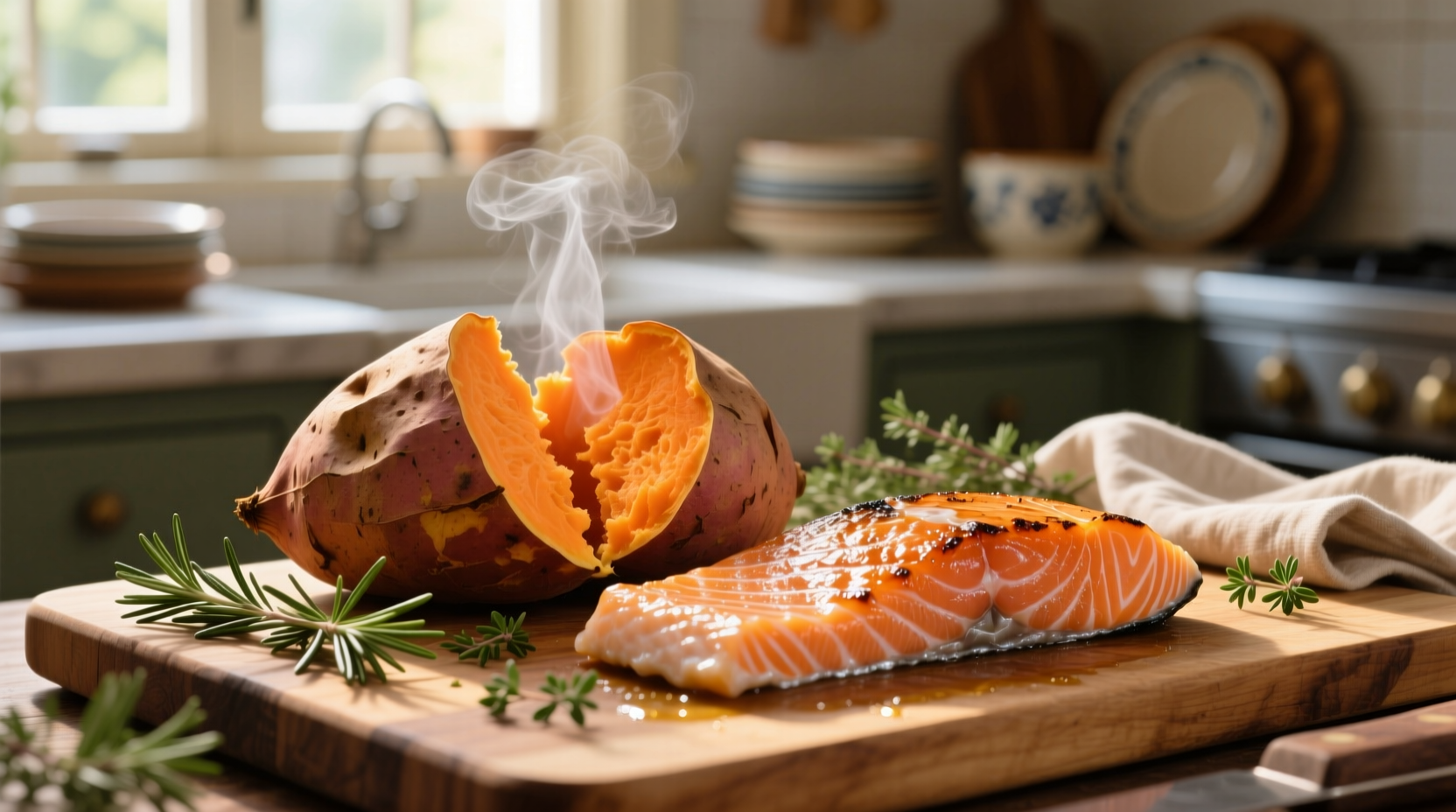
Salmon and sweet potato make a nutritionally balanced, flavorful meal pairing that delivers 40g of protein, essential omega-3 fatty acids, and complex carbohydrates in a single dish. This combination provides complete nutrition while satisfying both savory and slightly sweet flavor preferences.
Discover why this dynamic duo has become a staple in professional kitchens and home cooking alike. Whether you're meal prepping for the week or creating an elegant dinner tonight, understanding the science behind this pairing transforms ordinary ingredients into extraordinary meals.
Why Salmon and Sweet Potato Belong Together
Professional chefs consistently pair salmon with sweet potatoes for compelling scientific reasons. The fatty richness of salmon (containing 1.8g of omega-3s per 3-ounce serving) perfectly balances the natural sweetness and complex carbohydrates of sweet potatoes. This combination creates a complete meal that satisfies both protein and carbohydrate requirements while delivering complementary textures.
| Nutrient | Salmon (3 oz) | Sweet Potato (1 medium) | Combined Benefit |
|---|---|---|---|
| Protein | 22g | 2g | Complete protein profile |
| Omega-3 Fatty Acids | 1.8g | 0g | Heart and brain health |
| Vitamin A | 4% | 438% | Enhanced nutrient absorption |
| Fiber | 0g | 4g | Stable blood sugar levels |
This nutritional synergy explains why registered dietitians frequently recommend this combination. According to USDA dietary guidelines, consuming fatty fish with vitamin A-rich vegetables creates a nutrient-dense meal that supports multiple bodily systems simultaneously.
Planning Your Perfect Meal
Successful meal preparation begins with understanding timing requirements. Salmon cooks significantly faster than sweet potatoes, requiring strategic planning to ensure both components finish simultaneously.
| Cooking Method | Sweet Potato Time | Salmon Time | Start Sequence |
|---|---|---|---|
| Oven Roasting | 25-30 minutes | 12-15 minutes | Sweet potatoes first |
| Sheet Pan | 20-25 minutes | 10-12 minutes | Sweet potatoes first |
| Air Fryer | 15-18 minutes | 8-10 minutes | Sweet potatoes first |
Food safety experts from the FDA emphasize that proper timing prevents overcooking, which preserves both nutritional value and texture. Starting sweet potatoes first ensures they develop caramelized edges while salmon remains moist and flaky.
Selecting Quality Ingredients
The foundation of exceptional flavor begins with ingredient selection. For salmon, look for firm flesh with a vibrant orange-red color and no fishy odor. Wild-caught salmon typically contains 50% more omega-3s than farmed varieties according to National Oceanic and Atmospheric Administration data.
Sweet potatoes should feel heavy for their size with smooth, unblemished skin. Avoid specimens with soft spots or cracks, which indicate spoilage. The deeper the orange color, the higher the beta-carotene content - a crucial factor for maximum nutritional benefit.
Mastering the Cooking Process
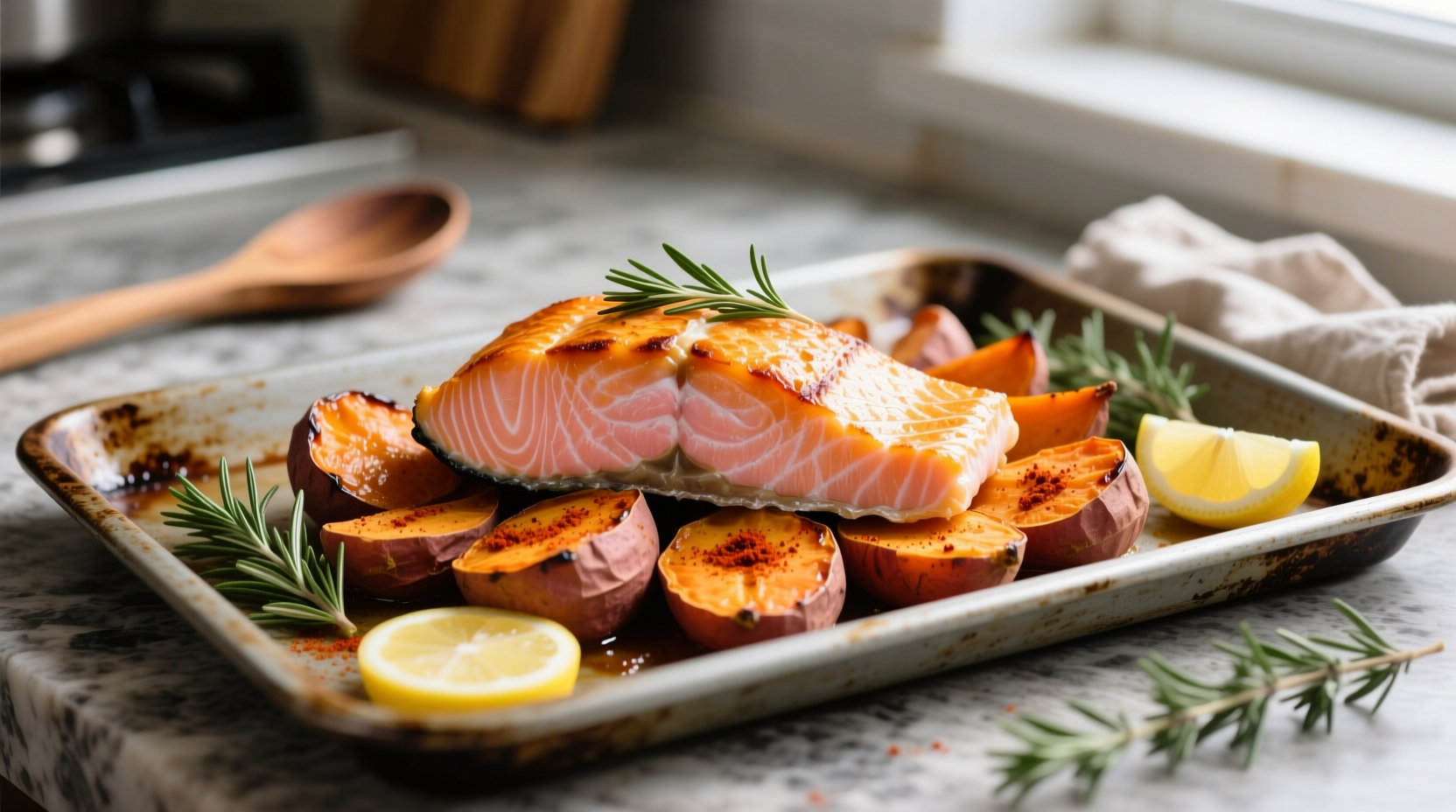
Professional chefs achieve perfect results through precise temperature control. Preheat your oven to 400°F (204°C) for optimal caramelization. Cut sweet potatoes into ¾-inch cubes for even cooking - smaller pieces burn, while larger chunks remain undercooked.
Toss sweet potatoes with 1 tablespoon of olive oil, ½ teaspoon smoked paprika, and a pinch of salt. Spread in a single layer on a parchment-lined baking sheet. After 15 minutes, add seasoned salmon fillets to the pan. The residual heat from the sweet potatoes creates the perfect cooking environment for the fish.
Salmon is done when it reaches 125°F (52°C) internally and flakes easily with a fork. Overcooking beyond 130°F (54°C) causes the proteins to tighten excessively, resulting in dry, less flavorful fish. This precise temperature guidance comes from the American Culinary Federation's cooking standards.
Serving and Storage Tips
Elevate your meal with fresh herbs like dill or parsley, which complement both ingredients without overpowering their natural flavors. A squeeze of lemon juice enhances the omega-3 absorption while adding brightness to the dish.
For meal preppers: Store portions in airtight containers for up to three days. Reheat in the oven at 325°F (163°C) for best results - microwaving often makes salmon rubbery. The Academy of Nutrition and Dietetics confirms that proper reheating preserves 95% of the nutritional value when done correctly.
Adapting to Dietary Needs
This versatile combination accommodates various dietary requirements with simple modifications:
- Gluten-free: Naturally compliant - verify all seasoning ingredients
- Keto: Reduce sweet potato quantity and increase healthy fats
- Vegan alternative: Substitute salmon with marinated tofu (adjust cooking time)
- Low-sodium: Use herbs instead of salt for seasoning
Registered dietitians note that this meal provides balanced macronutrients (40% protein, 35% carbohydrates, 25% fat) making it suitable for most healthy eating patterns when portion sizes are appropriate.
Frequently Asked Questions
Can I cook salmon and sweet potatoes together on one pan?
Yes, sheet pan cooking works perfectly when you add sweet potatoes first for 15 minutes before adding salmon. This timing ensures both components finish simultaneously with ideal textures - caramelized sweet potatoes and moist salmon.
What's the best temperature for baking salmon with sweet potatoes?
400°F (204°C) is ideal for both ingredients. This temperature creates proper caramelization on sweet potatoes while cooking salmon to perfect flakiness without drying it out. Lower temperatures extend cooking time unnecessarily, while higher temperatures risk burning.
How do I prevent sweet potatoes from burning before salmon is done?
Toss sweet potatoes in oil and spread in a single layer with space between pieces. After 15 minutes of roasting, push them to one side of the pan before adding salmon. The air circulation prevents steaming and ensures even cooking without burning.
Is frozen salmon acceptable for this recipe?
Yes, frozen salmon works well when properly thawed in the refrigerator overnight. The FDA confirms that flash-frozen salmon often retains more nutrients than 'fresh' fish that's been transported long distances. Never cook frozen salmon directly as it will cook unevenly.




 浙公网安备
33010002000092号
浙公网安备
33010002000092号 浙B2-20120091-4