
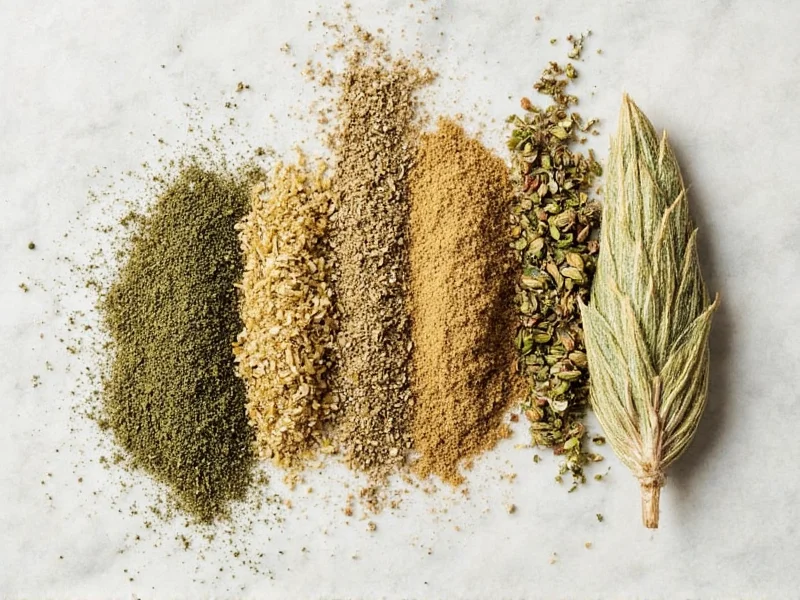
Sage seasoning brings a unique aromatic quality to dishes that few other herbs can replicate. Understanding how to use dried sage in cooking properly separates amateur attempts from professional-quality results. This comprehensive guide explores the different varieties, optimal applications, and expert techniques for incorporating sage into your culinary repertoire.
Understanding Sage Varieties for Seasoning
Not all sage is created equal in the kitchen. While common garden sage (Salvia officinalis) dominates culinary applications, several varieties offer distinct flavor profiles:
| Sage Variety | Flavor Profile | Best Culinary Uses |
|---|---|---|
| Common Garden Sage | Earthy, peppery, with eucalyptus notes | Stuffings, sausage, roasted meats, bean dishes |
| Spanish Sage | Stronger, more camphorous flavor | Robust meat dishes, long-cooked stews |
| Purple Sage | Milder, slightly sweeter | Delicate sauces, poultry, vegetable dishes |
| Golden Sage | Subtle lemon undertones | Fish, light pasta dishes, herb butters |
Flavor Dynamics of Sage Seasoning
Sage's flavor transforms significantly when cooked, which explains why many home cooks struggle with this herb. Fresh sage contains volatile oils that deliver bright, almost minty notes, while dried sage develops deeper, more complex earthy characteristics. The key to successful sage seasoning lies in understanding these transformations.
When using fresh sage, add it late in the cooking process to preserve its delicate top notes. For dried sage seasoning, which concentrates the herb's earthy qualities, incorporate it earlier to allow flavors to meld with other ingredients. Never substitute fresh and dried sage measure-for-measure—dried sage is approximately three times more potent, so adjust accordingly when following recipes.
Optimal Culinary Applications for Sage
Certain dishes showcase sage seasoning better than others. Traditional sage seasoning combinations have developed over centuries for good reason—they create harmonious flavor profiles that elevate ingredients without overpowering them.
Poultry and Meat Pairings
Sage's natural affinity for fatty meats makes it indispensable in many culinary traditions. The herb's slightly astringent quality cuts through richness while complementing savory notes. For best results with poultry:
- Rub fresh or dried sage under chicken skin before roasting
- Combine with thyme and rosemary for turkey seasoning
- Add to sausage mixtures for depth of flavor
- Create a sage-infused butter for finishing cooked meats
Vegetable and Legume Enhancements
Beans, squash, and root vegetables particularly benefit from sage seasoning. When preparing white beans or cannellini beans, add one dried sage leaf per cup of beans during the last 15 minutes of cooking. For roasted vegetables, toss with olive oil and crushed dried sage before baking at 400°F.
Creating Custom Sage Seasoning Blends
Commercial sage seasoning often contains unnecessary fillers. Crafting your own sage-based blends ensures freshness and allows customization for specific dishes. These basic ratios create versatile seasoning mixes:
Classic Poultry Rub
Combine 2 tablespoons dried sage, 1 tablespoon thyme, 1 tablespoon marjoram, 2 teaspoons rubbed sage, 1 teaspoon black pepper, and 1 teaspoon garlic powder. Store in an airtight container for up to 3 months.
Mediterranean Sage Blend
Mix 3 tablespoons dried sage, 2 tablespoons rosemary, 1 tablespoon oregano, 2 teaspoons lemon zest (dried), and 1 teaspoon red pepper flakes. This blend works exceptionally well with roasted vegetables and grilled meats.
Proper Storage Techniques for Sage Seasoning
Preserving sage's flavor requires proper storage methods. Dried sage maintains peak quality for 6-12 months when stored correctly, while fresh sage lasts only 1-2 weeks. Follow these sage seasoning storage tips to maximize shelf life:
- Store dried sage in airtight glass containers away from light and heat
- Keep whole dried leaves intact until use (crush just before cooking)
- Refrigerate fresh sage wrapped in slightly damp paper towels
- Freeze fresh sage leaves in olive oil for long-term preservation
Common Sage Seasoning Mistakes to Avoid
Even experienced cooks make errors with sage. Understanding when to add sage to recipes prevents common pitfalls:
- Overusing dried sage - Its concentrated flavor can dominate dishes
- Burning fresh sage - High heat creates bitter, unpleasant flavors
- Adding too early - Delicate fresh sage flavors dissipate with prolonged cooking
- Using old sage - Stale sage loses aromatic compounds and develops musty notes
Substituting Sage in Recipes
When sage seasoning isn't available, certain herbs can approximate its flavor profile, though none replicate it exactly. For sage seasoning substitute options, consider:
- Marjoram - Provides similar earthiness with less intensity
- Thyme - Offers complementary herbal notes in savory applications
- Poultry seasoning blend - Contains sage plus complementary herbs
- Oregano - Works in Mediterranean dishes requiring robust herbal notes
Remember that substitutions alter the dish's character—use 75% of the recommended sage amount when substituting to avoid overwhelming other flavors.
Frequently Asked Questions About Sage Seasoning
What's the difference between fresh and dried sage for seasoning?
Fresh sage has brighter, more delicate herbal notes with subtle minty undertones, while dried sage develops deeper earthy, slightly peppery characteristics. Dried sage is approximately three times more potent than fresh, so adjust measurements accordingly. Use fresh sage in dishes with shorter cooking times, adding it near the end of preparation, while dried sage works better in longer-cooked dishes where its flavors can fully develop.
Can I use rubbed sage instead of ground sage in recipes?
Yes, but with important distinctions. Rubbed sage consists of whole dried leaves that have been rubbed through a screen, creating a light, fluffy texture that retains more flavor compounds. Ground sage is more concentrated and powdery. When substituting, use 1½ teaspoons rubbed sage for every 1 teaspoon ground sage. Rubbed sage works better in dishes where you want visible herb flecks, while ground sage blends more completely into sauces and rubs.
What are the best dishes for sage seasoning?
Sage seasoning excels in poultry dishes (especially turkey and chicken), pork preparations, bean dishes, and holiday stuffings. It complements fatty meats particularly well because its slight astringency cuts through richness. Sage also enhances roasted root vegetables, squash dishes, and creamy pasta sauces. Traditional Italian brown butter and sage sauce for pasta represents one of sage's most celebrated applications, while American cuisine features it prominently in Thanksgiving stuffing recipes.
How can I tell if my dried sage has gone bad?
Degraded dried sage loses its vibrant green-gray color, becoming dull brown. The aroma diminishes significantly—you should detect little to no fragrance when rubbing the leaves between your fingers. Old sage may develop musty or dusty notes rather than its characteristic earthy, slightly peppery scent. For optimal flavor, replace dried sage every 6-12 months, though it remains safe to consume indefinitely if stored properly (it just won't deliver the expected flavor impact).
When should I add sage to my recipes for best results?
The timing depends on whether you're using fresh or dried sage. Add dried sage early in the cooking process (about 20-30 minutes before completion) to allow its flavors to fully develop and integrate with other ingredients. Incorporate fresh sage during the last 5-10 minutes of cooking to preserve its delicate volatile oils. For infused oils or butter sauces, add fresh sage leaves just until they become crisp (about 1-2 minutes) to prevent burning, which creates bitter flavors.




 浙公网安备
33010002000092号
浙公网安备
33010002000092号 浙B2-20120091-4