
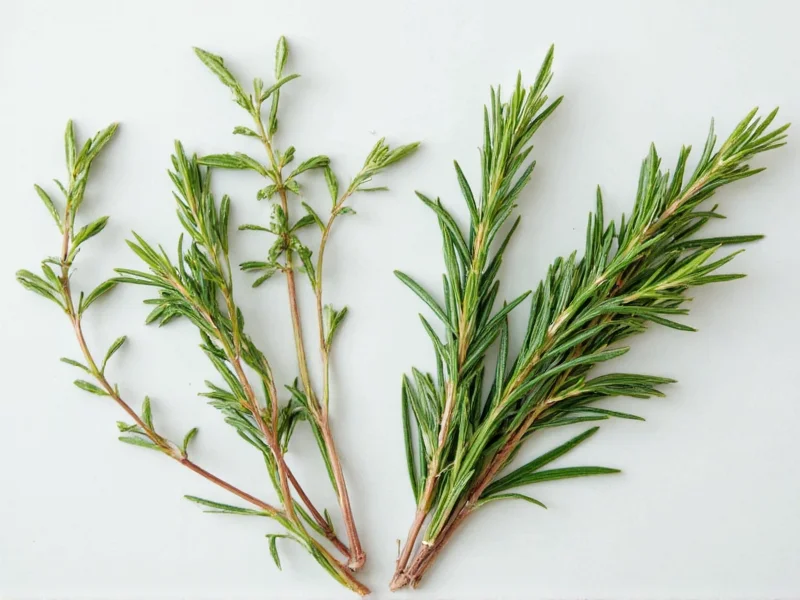
Understanding the Classic Herb Trio
These three culinary herbs share Mediterranean origins but offer distinct flavor profiles that complement each other beautifully. Chefs and home cooks have relied on this combination for centuries to enhance everything from simple roasted vegetables to elaborate holiday feasts. The reason this particular trio works so well together lies in their complementary flavor compounds and shared culinary applications.
Individual Herb Profiles
Sage (Salvia officinalis)
With its soft, velvety leaves and earthy, slightly peppery flavor, sage stands as one of the most distinctive herbs in the culinary world. Native to the northern Mediterranean coast, this perennial herb contains thujone, which gives it its characteristic aroma. Fresh sage offers a more delicate flavor than its dried counterpart, which intensifies the earthy notes. When cooking with sage rosemary and thyme, remember that sage's robust flavor can dominate if used excessively.
Rosemary (Rosmarinus officinalis)
Rosemary's needle-like leaves and pine-like fragrance make it instantly recognizable. This hardy perennial contains camphor and cineole, compounds responsible for its distinctive aroma. Unlike many herbs, rosemary actually improves in flavor when dried, though fresh rosemary offers brighter citrus notes. When exploring sage rosemary and thyme culinary uses, note that rosemary's strong flavor pairs exceptionally well with fatty meats like lamb and pork, cutting through richness with its aromatic intensity.
Thyme (Thymus vulgaris)
Thyme's small leaves grow along woody stems, delivering a subtle yet complex flavor profile with floral, minty, and slightly lemony notes. The herb contains thymol, which gives it both its distinctive aroma and antimicrobial properties. Common thyme (also called garden thyme) works best for general cooking, while lemon thyme offers a citrus variation. In classic recipes with sage rosemary and thyme, thyme often serves as the balancing element that ties the stronger flavors together.
| Herb | Flavor Profile | Best Cooking Applications | When to Add During Cooking |
|---|---|---|---|
| Sage | Earthy, peppery, slightly camphorous | Butter sauces, poultry, pork, stuffing | Early for dried, late for fresh |
| Rosemary | Pine-like, citrusy, woody | Lamb, roasted potatoes, breads, grilled meats | Early in cooking process |
| Thyme | Floral, minty, subtle lemon | Stews, soups, marinades, vegetable dishes | Early to mid-cooking |
Why These Three Herbs Work So Well Together
The magic of cooking with sage rosemary and thyme lies in their complementary flavor chemistry. Sage provides earthy depth, rosemary contributes aromatic intensity, and thyme offers balancing floral notes. This combination creates what chefs call \"umami synergy\"—where the whole becomes greater than the sum of its parts. The trio appears frequently in French cuisine as part of \"bouquet garni\" and in Italian cooking for roasted meats and tomato-based sauces.
When using these herbs together, consider their relative strengths. As a general rule, use one part sage, two parts rosemary, and three parts thyme for balanced flavor. This ratio accounts for sage's potency and thyme's more subtle presence. Understanding the differences between sage rosemary and thyme helps prevent any single herb from overwhelming your dish.
Practical Applications in the Kitchen
Professional chefs rely on this herb combination for specific applications where their collective properties shine:
Meat Preparation
Create a simple herb rub by combining equal parts dried sage, rosemary, and thyme with salt, pepper, and olive oil. This mixture works exceptionally well for roasting poultry or lamb. For more delicate meats like chicken breast, reduce the sage proportion as its strong flavor can overpower lighter proteins.
Stocks and Broths
Bundle fresh sprigs of all three herbs together with kitchen twine to create a traditional bouquet garni. Add this to stocks, soups, and stews during the last 20-30 minutes of cooking. The herbs infuse the liquid with complex flavors without becoming bitter from prolonged cooking.
Compound Butter
Mix finely chopped fresh sage, rosemary, and thyme into softened butter along with a touch of lemon zest. Roll into a log, chill, and slice to melt over grilled meats or roasted vegetables. This preparation method for sage rosemary and thyme preserves their fresh flavor while adding richness to finished dishes.
Growing and Harvesting Tips
All three herbs thrive in similar growing conditions, making them ideal companions in the garden. They prefer well-draining soil, full sun, and moderate watering. When growing sage rosemary and thyme together, remember that rosemary requires slightly drier conditions than the others, so avoid overwatering.
Harvest these herbs in the morning after the dew has dried but before the sun becomes intense. For the best flavor when using sage rosemary and thyme in cooking, pick leaves just before the plants flower, when essential oil concentrations peak. Regular harvesting actually encourages bushier growth in all three herbs.
Preservation Methods
Properly preserving your herbs maintains their flavor for year-round use:
- Drying: Hang small bundles upside down in a dark, well-ventilated space. Rosemary and thyme dry well, but sage leaves may become brittle. Store dried herbs in airtight containers away from light.
- Freezing: Chop herbs and place in ice cube trays with olive oil or water. This method best preserves the fresh flavor profile of sage rosemary and thyme.
- Vinegar infusions: Steep herbs in vinegar for 2-4 weeks to create flavorful herb vinegars perfect for salad dressings.
Avoiding Common Mistakes
Even experienced cooks make errors when working with this herb trio. Understanding how to use sage rosemary and thyme in cooking properly prevents these common pitfalls:
- Overuse of sage: Its strong flavor can dominate a dish. Start with half the amount you think you need, especially with dried sage.
- Adding dried herbs too late: Dried herbs require time to rehydrate and release flavors. Add them early in the cooking process.
- Mixing fresh and dried interchangeably: Remember that dried herbs are more concentrated—use one-third the amount of dried herbs compared to fresh.
- Using woody rosemary stems: Only the tender tips provide good flavor; discard thick, woody stems.
Historical and Cultural Significance
This herb combination has deep roots in European culinary traditions. Ancient Romans used rosemary for remembrance and purification, while medieval Europeans associated thyme with courage and vitality. Sage's name derives from the Latin \"salvere,\" meaning \"to heal,\" reflecting its historical medicinal uses. The French \"bouquet garni\" tradition formalized the use of these three herbs together, creating a convenient way to flavor dishes without leaving loose herbs in the final presentation.
Conclusion
Sage, rosemary, and thyme form a timeless culinary partnership that continues to elevate dishes across global cuisines. Their complementary flavors, shared growing requirements, and versatile applications make them indispensable in any well-equipped kitchen. By understanding the unique characteristics of each herb and how they work together, home cooks can create restaurant-quality dishes with confidence. Whether you're exploring traditional recipes with sage rosemary and thyme or developing your own creations, this classic trio offers endless possibilities for enhancing flavor profiles in your cooking.
Frequently Asked Questions
Can I substitute dried herbs for fresh when using sage, rosemary, and thyme together?
Yes, but adjust quantities appropriately. Use one-third the amount of dried herbs compared to fresh, as drying concentrates their flavor compounds. For example, if a recipe calls for 3 tablespoons fresh sage rosemary and thyme, use 1 tablespoon of the dried mixture instead.
Which meats pair best with the sage, rosemary, and thyme combination?
This herb trio works exceptionally well with fatty meats like pork shoulder, lamb shoulder, and duck. The robust flavors cut through richness while complementing the meat's natural taste. For poultry, use a lighter hand with sage, which can overpower chicken or turkey if used excessively in sage rosemary thyme recipes.
How should I store fresh sage, rosemary, and thyme to maximize shelf life?
Wrap the herbs loosely in slightly damp paper towels and store in airtight containers in the refrigerator's vegetable drawer. Alternatively, trim the stems and place in a glass with an inch of water, covering loosely with a plastic bag. Properly stored, these herbs maintain freshness for 1-2 weeks when preserving sage rosemary and thyme properly.
Can I grow sage, rosemary, and thyme together in the same container?
Yes, but with considerations. Rosemary prefers drier conditions than sage and thyme, so ensure excellent drainage. Use a large container (at least 18 inches wide) with a well-draining potting mix. Position rosemary slightly higher in the container where soil dries faster. When growing sage rosemary and thyme together, monitor moisture levels carefully to accommodate all three herbs' needs.
What's the best way to use sage, rosemary, and thyme in vegetarian dishes?
This herb combination elevates vegetarian cooking beautifully. Add to roasted root vegetables, mushroom dishes, or bean stews. For a simple preparation when cooking with sage rosemary and thyme, toss vegetables in olive oil with the herbs before roasting. The trio also works wonderfully in vegetarian gravy, tomato sauces, and bread recipes for complex, savory flavors without meat.




 浙公网安备
33010002000092号
浙公网安备
33010002000092号 浙B2-20120091-4