
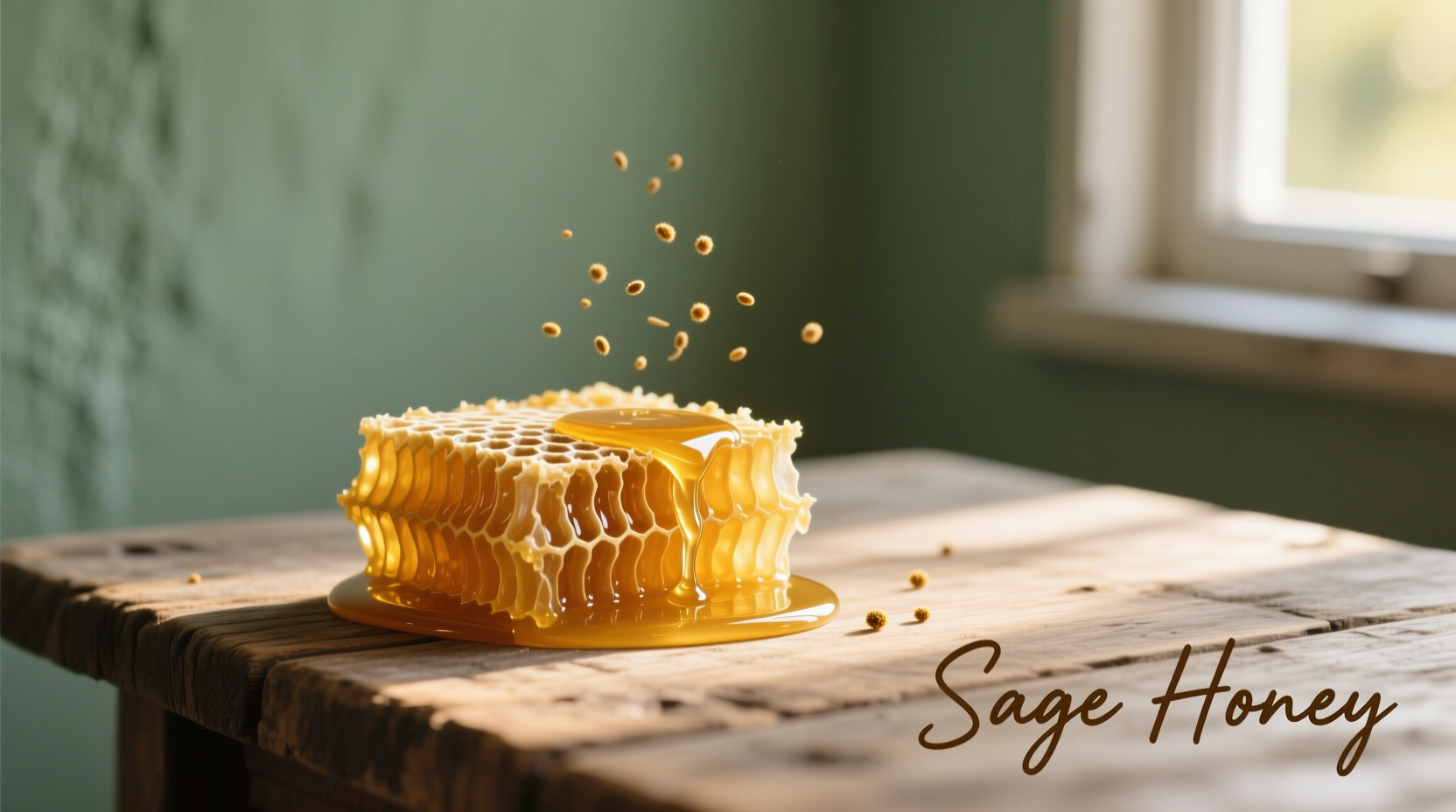
What Makes Sage Honey Unique Among Monofloral Varietals
When bees collect nectar exclusively from sage blossoms—primarily California black sage, though sometimes white sage or other regional varieties—the resulting honey develops distinctive characteristics that set it apart from polyfloral wildflower honeys. Unlike strongly flavored honeys like buckwheat or manuka, sage honey maintains remarkable clarity and a pale golden hue that can appear almost water-white when freshly harvested.
According to the USDA National Honey Report, California produces approximately 30% of America's honey supply, with sage honey representing a significant specialty crop during its spring flowering season. The unique terroir of coastal California sage scrub ecosystems contributes to this honey's delicate flavor profile that food historians have documented in regional cookbooks since the early 20th century.
Production Process and Seasonal Availability
Sage honey production follows a precise seasonal pattern dictated by the flowering cycles of native sage plants. California black sage typically blooms from April through June, creating a relatively narrow harvesting window compared to other honey varieties. Beekeepers must strategically position hives in coastal sage scrub environments during this period to ensure bees primarily collect sage nectar.
| Honey Characteristic | Sage Honey | Clover Honey | Manuka Honey |
|---|---|---|---|
| Color | Pale golden to water-white | Light amber | Dark amber |
| Flavor Profile | Mild, herbal, subtle sweetness | Floral, sweet | Earthy, medicinal |
| Crystallization Rate | Very slow | Moderate | Slow |
| Primary Growing Region | California coastal areas | Nationwide | New Zealand |
Understanding Sage Honey's Culinary Versatility
The mild flavor profile makes sage honey exceptionally versatile in the kitchen. Unlike stronger honeys that can dominate a dish, sage honey's subtle herbal notes enhance rather than overwhelm other ingredients. Professional chefs particularly value it for:
- Creating delicate salad dressings that won't overpower fresh greens
- Sweetening herbal teas without masking botanical flavors
- Glazing roasted vegetables like carrots and sweet potatoes
- Adding complexity to cheese boards featuring mild cheeses
- Enhancing baked goods where a pronounced honey flavor isn't desired
When substituting sage honey in recipes that call for sugar, use three-quarters cup of honey for every cup of sugar and reduce liquid by 1/4 cup. Its slow crystallization means it remains pourable longer than many other honey varieties, making it practical for everyday kitchen use.
Evidence-Based Health Properties of Sage Honey
While all raw honey contains beneficial compounds, sage honey's specific properties have been examined in agricultural studies. Research published through the University of California Agriculture and Natural Resources program indicates that monofloral sage honey contains:
- Naturally occurring enzymes that support digestion
- Antioxidants including flavonoids and phenolic acids
- Trace minerals such as potassium and calcium
- Prebiotic compounds that support gut health
Unlike medical-grade manuka honey with its standardized UMF rating system, sage honey doesn't have specific therapeutic certifications. However, its natural composition makes it a valuable addition to a balanced diet when consumed in moderation as part of a healthy lifestyle.
Selecting Authentic Sage Honey
With honey adulteration becoming increasingly common, discerning consumers should look for these markers of genuine sage honey:
- Origin specificity: Authentic California sage honey will clearly state "California" or specific regions like "Central Coast"
- Harvest date: Single-season harvest dates (typically April-June) indicate true monofloral production
- Processing method: "Raw" and "unfiltered" labels suggest minimal processing that preserves natural enzymes
- Visual characteristics: Pale color that remains relatively liquid for months indicates proper sage varietal
The USDA Honey Grades provide quality standards, though they don't specifically address varietal authenticity. For the most reliable products, seek honey from established California apiaries that participate in the True Source Honey certification program, which verifies ethical sourcing and origin.
Preserving Sage Honey's Quality
Proper storage significantly extends sage honey's shelf life while maintaining its delicate flavor profile. Follow these guidelines:
- Store in airtight glass containers away from direct sunlight
- Maintain room temperature between 50-70°F (10-21°C)
- Avoid refrigeration, which accelerates crystallization
- Use clean, dry utensils to prevent moisture contamination
Should crystallization eventually occur (which happens more slowly with sage honey than many varieties), gently warm the container in a water bath below 110°F (43°C) to return it to liquid form without damaging beneficial compounds.
Integrating Sage Honey Into Your Culinary Routine
For immediate incorporation into your cooking, try these practical applications:
- Morning ritual: Stir one teaspoon into lukewarm water with lemon for a gentle digestive aid
- Salad dressing base: Combine with apple cider vinegar and Dijon mustard for a balanced vinaigrette
- Yogurt enhancement: Drizzle over plain Greek yogurt with fresh berries
- Meat glaze: Mix with mustard and herbs for roasted chicken or pork
- Baking substitute: Replace sugar in muffin or quick bread recipes for subtle sweetness
Remember that heating honey above 140°F (60°C) degrades some beneficial enzymes, so add it to warm—not boiling—beverages and incorporate it at the end of cooking processes when possible.
What makes sage honey different from regular honey?
Sage honey is a monofloral variety produced primarily from California black sage blossoms, resulting in a lighter color, milder flavor, and slower crystallization rate compared to polyfloral wildflower honeys. Its delicate herbal notes make it more versatile for culinary applications where a pronounced honey flavor isn't desired.
Does sage honey have medicinal properties?
Like all raw honey, sage honey contains natural enzymes and antioxidants that support general wellness. However, it doesn't have specific therapeutic certifications like medical-grade manuka honey. Its value lies in its culinary versatility and as part of a balanced diet rather than as a medicinal product.
How can I verify if my sage honey is authentic?
Look for specific origin information (California), harvest dates corresponding to spring blooming season, and "raw" or "unfiltered" labeling. Reputable producers often provide details about their apiary locations and participate in certification programs like True Source Honey that verify ethical sourcing.
Why does sage honey stay liquid longer than other honeys?
Sage honey has a higher fructose-to-glucose ratio compared to many other honey varieties, which naturally slows the crystallization process. This characteristic makes it particularly practical for everyday use as it remains pourable for months without requiring reheating.
Can I use sage honey as a sugar substitute in baking?
Yes, substitute three-quarters cup of sage honey for every cup of sugar and reduce other liquids by 1/4 cup. Because of its mild flavor, it works particularly well in recipes where you don't want a strong honey taste, such as delicate cakes, muffins, or breads. Add it at the end of mixing to preserve beneficial compounds.




 浙公网安备
33010002000092号
浙公网安备
33010002000092号 浙B2-20120091-4