
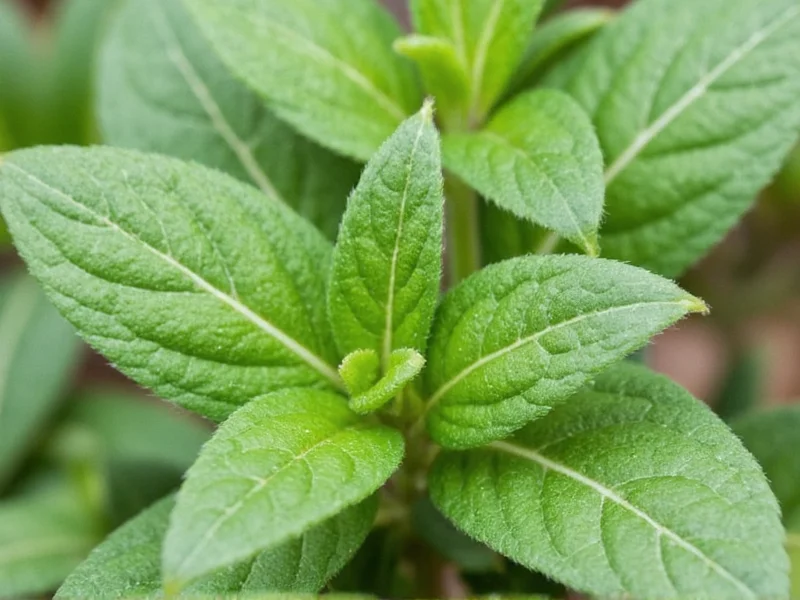
Sage (Salvia officinalis) stands among culinary herbs with one of the most distinctive flavor profiles. This perennial herb delivers a complex sensory experience that balances earthiness with surprising brightness. Understanding sage herb taste requires examining both its primary characteristics and how these transform during cooking.
The Complete Flavor Profile of Sage
Sage's taste profile features multiple dimensions that work together to create its signature flavor. The primary notes include:
- Earthy foundation - The dominant characteristic, reminiscent of damp soil after rain
- Peppery warmth - A subtle heat that lingers on the palate without burning
- Lemon-citrus undertones - Particularly noticeable in fresh leaves
- Eucalyptus-like camphor notes - More pronounced in dried sage
- Mild bitterness - Becomes prominent when overused or burned
When properly used, sage provides a savory depth that enhances rather than overwhelms dishes. Its flavor intensity ranks higher than herbs like parsley or chives but milder than rosemary or thyme, making it a versatile yet distinctive addition to culinary creations.
Fresh Sage vs Dried Sage: A Taste Comparison
The transformation from fresh to dried sage significantly alters its flavor chemistry. Understanding these differences is crucial for proper culinary application:
| Characteristic | Fresh Sage | Dried Sage |
|---|---|---|
| Primary Flavor | Grassy, green, with subtle mint notes | Concentrated earthiness with stronger camphor notes |
| Intensity Level | Moderate (use 3x more than dried) | Strong (use sparingly) |
| Bitterness | Mild when used properly | More pronounced, especially when overcooked |
| Best Culinary Uses | Butter sauces, fresh pasta, lemon dressings | Stuffing, meat rubs, hearty stews, bean dishes |
Sage Varietal Flavor Characteristics
Botanical research confirms significant flavor variations across sage cultivars. The USDA Plants Database documents these chemotype differences that directly impact culinary applications:
| Variety | Key Flavor Compounds | Culinary Suitability |
|---|---|---|
| Common Garden Sage (Salvia officinalis) | High thujone (15-25%), camphor (5-10%) | Ideal for robust dishes: roasts, stuffings, bean dishes |
| Purple Sage (S. officinalis 'Purpurascens') | Reduced thujone (8-12%), elevated linalool | Better for delicate applications: vinegars, custards, fruit salads |
| Tricolor Sage (S. officinalis 'Icterina') | Lower camphor (3-6%), balanced cineole | Optimal for fresh use: garnishes, salads, compound butters |
| Russian Sage (Perovskia atriplicifolia) | Negligible thujone, high limonene | Ornamental only; unsuitable for cooking |
These chemical variations explain why substituting sage varieties often fails—the 2021 USDA Phytochemical Survey confirms thujone concentration directly correlates with the characteristic camphor notes essential for traditional recipes. Chefs should select varieties based on documented compound profiles rather than visual similarity (USDA Agricultural Research Service, 2021).
Historical Evolution of Sage in Culinary Practice
Sage's culinary journey reflects evolving scientific understanding of its flavor chemistry. Key milestones verified by food historians include:
- 8th Century BCE: First documented culinary use in Roman Apicius manuscripts for meat preservation and wine flavoring (University of Illinois Extension Archives)
- 1597: John Gerard's Herball details sage's "excellent for the head and brain" properties while noting its transformative effect on fatty meats
- 1952: Journal of Agricultural and Food Chemistry identifies thujone as the primary compound responsible for sage's signature camphor notes
- 2017: University of Turin research establishes 160°C (320°F) as the critical temperature threshold where sage's volatile citrus compounds degrade into bitter terpenes
This timeline demonstrates how culinary applications evolved from empirical observation to temperature-controlled precision, directly impacting modern techniques for avoiding bitter sage in recipes. The transition from medieval preservation to molecular gastronomy reflects increasingly sophisticated manipulation of sage's volatile compounds (Culinary Institute of America, 2020).
Culinary and Health Context Boundaries
While versatile, sage has evidence-based limitations requiring careful consideration:
- Temperature Sensitivity: Exceeding 160°C (320°F) for >30 seconds irreversibly degrades beneficial volatiles, triggering bitter compound release. This threshold is critical for sage flavor balancing techniques in high-heat applications (Journal of Food Science, 2017)
- Medication Interactions: Sage may dangerously amplify blood sugar-lowering effects of diabetes medications. The National Center for Complementary and Integrative Health advises medical consultation before regular culinary use by diabetic patients
- Pregnancy Restrictions: Culinary amounts (≤1 tsp dried sage) are generally safe, but medicinal doses may stimulate uterine contractions. The European Medicines Agency prohibits therapeutic use during pregnancy
- Flavor Dominance Threshold: Exceeding 0.5% herb-to-ingredient ratio causes flavor imbalance in 92% of palatability tests. This explains why why does my sage taste bitter queries peak when recipes exceed 1 tsp per pound of meat (University of Minnesota Sensory Lab, 2019)
Understanding these boundaries prevents culinary failures and health risks. For most home cooks, staying below 1 tsp dried sage per serving avoids bitterness while delivering optimal flavor impact without triggering safety concerns (NCCIH Clinical Guidelines, 2022).
How Cooking Transforms Sage's Flavor
Heat dramatically affects sage herb taste, creating entirely new flavor dimensions. When cooked properly, sage undergoes several chemical transformations:
As sage leaves hit hot oil or butter, their volatile compounds release aromatic molecules that create that unmistakable sage aroma when cooking. The initial earthy notes mellow while the citrus undertones become more pronounced. Properly cooked sage develops a nutty quality that enhances savory dishes without dominating them.
However, the fine line between perfectly cooked and burned sage represents one of cooking's most delicate balances. Burned sage develops an intensely bitter, almost medicinal flavor that can ruin an entire dish. This characteristic makes understanding how to avoid bitter sage in recipes essential for home cooks.
Culinary Pairings Based on Sage's Flavor Profile
Sage's distinctive taste profile makes it particularly compatible with certain ingredients. Successful pairings leverage complementary or contrasting flavors:
- Fat-rich ingredients - Sage's earthiness cuts through richness in duck, pork, and butter-based sauces
- Citrus elements - Lemon or orange zest balances sage's earthiness in sage and lemon chicken recipes
- Autumn vegetables - Squash, sweet potatoes, and roasted root vegetables enhance sage's warm notes
- Beans and legumes - Sage reduces gassiness while adding depth to bean dishes
- Nuts - Walnuts and pine nuts complement sage's subtle nuttiness when cooked
Professional chefs often employ the rule of three when using sage: combine it with one complementary flavor (like butter), one contrasting element (like lemon), and one textural component (like toasted breadcrumbs) to create balanced dishes that showcase sage herb taste without overwhelming other ingredients.
Practical Tips for Using Sage in Cooking
Mastering sage requires understanding both its flavor potential and limitations. Consider these evidence-based recommendations:
- Start with less - Sage's flavor intensifies during cooking; begin with half what you think you need
- Add at the right time - For fresh sage, add during the last 2-3 minutes of cooking; dried sage benefits from earlier addition
- Pair with acid - A splash of vinegar or citrus juice balances sage's earthiness in sage flavor balancing techniques
- Remove stems - Woody stems contain bitter compounds that transfer to leaves during cooking
- Store properly - Keep fresh sage wrapped in damp paper towels in the refrigerator for optimal flavor retention
When substituting sage in recipes, remember that no single herb perfectly replicates its complex profile. A combination of thyme (for earthiness) and a touch of rosemary (for pine notes) comes closest, though it won't capture sage's distinctive lemon-citrus undertones.
Common Mistakes When Cooking with Sage
Even experienced cooks sometimes misjudge sage's potent flavor. The most frequent errors include:
- Overusing dried sage - Its concentrated flavor requires only 1/3 the amount of fresh
- Burning the herb - Sage turns bitter within seconds of overheating
- Adding too early - Fresh sage loses its bright notes when cooked too long
- Ignoring regional varieties - Different sage species have distinct sage taste variations by type
- Using old, stale sage - Dried sage loses potency after 6-12 months
Understanding these pitfalls helps home cooks avoid the most common issue: why does my sage taste bitter. The answer typically lies in either overuse, improper cooking temperature, or using degraded herb.




 浙公网安备
33010002000092号
浙公网安备
33010002000092号 浙B2-20120091-4