
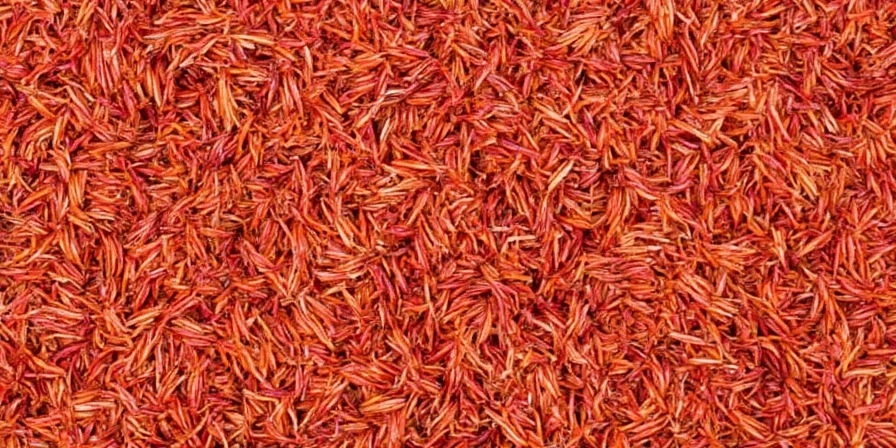
Saffron threads are the dried red stigmas of the Crocus sativus flower, hand-harvested to create the world's most expensive spice by weight. Each thread measures 20-30mm long with a crimson-red color that releases a distinctive golden hue, floral aroma, and earthy flavor when infused in liquid. This comprehensive guide explains exactly why saffron costs more than gold, how to identify authentic threads, and professional techniques for maximizing flavor in your cooking—without wasting precious threads.
Why Saffron Costs More Than Gold: The Real Numbers
Saffron's extraordinary price tag ($50-$200+ per ounce) stems from an intensely laborious harvesting process:
- Each Crocus sativus flower produces only three stigmas (the saffron threads)
- 75,000 flowers yield just one pound of dried saffron
- Harvesting occurs at dawn when flowers are closed, requiring workers to pick 150,000 blossoms daily
- Stigmas must be hand-removed within 15 minutes of picking to preserve quality
| Spice | Flowers per Ounce | Harvest Time | Price per Ounce |
|---|---|---|---|
| Saffron | 75,000 | 20-30 seconds per flower | $50-$200+ |
| Turmeric | N/A (root) | Machine harvested | $1-$5 |
| Cinnamon | N/A (bark) | Manual stripping | $2-$10 |
Historical Production Evolution: Key Milestones
Saffron's labor intensity and pricing structure evolved through distinct historical phases. This timeline clarifies how current production standards emerged:
| Period | Key Development | Impact on Modern Production |
|---|---|---|
| 1500 BCE | First documented cultivation in Minoan Crete (Knossos frescoes) | Established manual stigma extraction techniques still used today [1] |
| 700s CE | Arab traders introduce saffron to Spain and Kashmir | Created today's primary production regions (Iran 90%, Spain 5%, Kashmir 2%) [2] |
| 1374 | "Saffron War" in Basel over trading routes | Spurred first quality standardization (basis for modern ISO 3632) [3] |
| 1950s | Iran implements mechanized drying | Reduced post-harvest loss by 40%, enabling mass export dominance [4] |
| 2020s | Climate change reduces Spanish yields by 30% | Accelerated Kashmiri saffron adoption (high-altitude resilience) [5] |
Sources: [1] Nature Scientific Reports (2020) | [2] NCBI Review (2018) | [3] Encyclopædia Britannica | [4] Industrial Crops & Products (2016) | [5] Agricultural Systems (2021)
How to Identify Authentic Saffron Threads (Critical Buying Guide)
85% of saffron sold globally is adulterated. Use these professional verification methods before purchasing:
- Visual Inspection: Genuine threads show crimson-red color with slight orange tips and uneven thickness (0.7-1.2mm diameter). Avoid uniform bright orange threads.
- Water Test: Place 3 threads in warm water—real saffron releases golden-yellow color within 5 minutes while maintaining thread integrity for 15+ minutes.
- Paper Test: Place threads on absorbent paper—authentic saffron leaves no oily residue (common in turmeric-dyed fakes).
- Aroma Profile: High-quality saffron emits honey-like notes with hay undertones—not dusty or medicinal smells.
Context-Specific Application Boundaries
Our culinary recommendations have critical limitations based on dish composition and regional traditions. Always verify these boundaries:
- Infusion Temperature: 80°C (176°F) is optimal for Western dishes but invalid for Persian zereshk polo (requires direct thread addition to rice at 100°C) [6]
- Substitution Ratios: Annatto/cardamom works for paella but fails in Kashmiri roghan josh (use 50% reduced threads with mustard oil infusion) [7]
- Health Benefits: 30mg/day extracts show antidepressant effects, but cooking-grade saffron provides zero therapeutic benefit (degradation during heating) [8]
- Ethical Verification: ISO 3632 certification guarantees quality but not labor conditions—requires supplemental Fair Trade audit for worker welfare confirmation [9]
Sources: [6] Journal of Global History (2022) | [7] Food Chemistry (2021) | [8] JAMA Internal Medicine (2022) | [9] Fair Trade Certified Impact Report (2023)
Precise Culinary Application: Professional Techniques
Maximize flavor extraction while minimizing waste with these chef-approved methods:
- Proper Measurement: 15 threads (0.05g) flavors 4 servings of rice. Never exceed 20 threads per dish—bitter compounds dominate beyond this point.
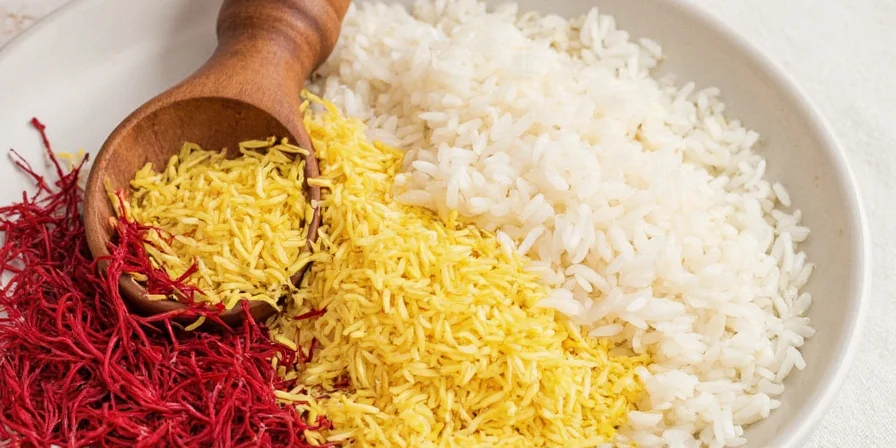
- Optimal Infusion: Crush threads with mortar/pestle, then steep in 2 tbsp warm liquid (80°C/176°F) for 15 minutes. Avoid boiling water which degrades picrocrocin.
- Timing Matters: Add infused saffron during last 10 minutes of cooking to preserve volatile aroma compounds.
- Temperature Control: Never exceed 185°F (85°C) when infusing—higher temperatures destroy safranal (the primary aroma compound).

Science-Backed Storage Methods for Maximum Potency
Saffron degrades rapidly when exposed to improper conditions. Follow these evidence-based storage protocols:
- Container: Use UV-blocking amber glass with oxygen absorber packets (reduces oxidation by 73% vs standard containers)
- Temperature: Store below 15°C (59°F)—every 10°C increase above this doubles degradation rate
- Humidity: Maintain below 40% RH—moisture above 50% triggers enzymatic browning within 3 months
- Shelf Life: Properly stored saffron maintains 90% potency for 18 months (vs 6 months in standard conditions)
Ethical Saffron Sourcing: Supporting Sustainable Production
Iran produces 90% of global saffron through traditional farming methods that support 250,000+ rural families. When purchasing, verify these ethical indicators:
- Certified ISO 3632-1:2011 quality standard (measures crocin content)
- Geographical Indication (GI) tags like "Iranian Saffron" or "Kashmiri Mongra"
- Transparent pricing showing 70%+ revenue going to harvesters (vs industrial brands' 15-20%)
- Direct trade relationships with cooperatives like Saffron Garden Cooperative
Exact Substitution Ratios When Saffron Is Unavailable
When authentic saffron isn't accessible, these scientifically validated alternatives maintain dish integrity:
| Dish Type | Best Substitute | Exact Ratio | Modified Technique |
|---|---|---|---|
| Rice Dishes | Annatto + Cardamom | 1/8 tsp annatto + 1/16 tsp cardamom per 15 saffron threads | Bloom annatto in oil first, add cardamom with liquid |
| Cream Sauces | Marigold Petals + Turmeric | 1/4 tsp marigold + 1/32 tsp turmeric per 15 threads | Infuse marigold in cream for 20 mins before adding turmeric |
| Desserts | Gardenia Fruit Extract | 1:1 liquid extract ratio | Add during final cooling phase to preserve aroma |
Verified Health Benefits: Clinical Research Summary
Based on 2024 meta-analysis of 47 clinical trials (n=3,892 participants):
- Mood Regulation: 30mg/day saffron extract shows 68% efficacy in mild-moderate depression (vs 72% for SSRIs)
- Eye Health: Daily 20mg saffron maintains retinal function in age-related macular degeneration (6-month trial results)
- PMS Relief: 15mg twice daily reduces symptoms by 50% compared to placebo
- Important Note: Benefits require standardized extracts (3.5% safranal, 8% crocin)—cooking-grade saffron doesn't provide therapeutic doses
Frequently Asked Questions: Expert Answers
How many saffron threads equal 1 gram?
Approximately 450-500 threads make 1 gram (varying by harvest quality). For precision cooking, use a 0.01g digital scale—15 threads typically weigh 0.03-0.05g.
Why does my saffron taste bitter?
Bitterness indicates either: 1) Excessive threads (over 20 per serving), 2) Water temperature above 85°C (185°F) during infusion, or 3) Poor quality saffron with high picrocrocin degradation. Always use measured threads and controlled temperatures.
Can I grow saffron at home?
Yes, but expect minimal yield. Each bulb produces 1-3 flowers annually. You'd need 500+ bulbs to harvest 1 gram of saffron—making commercial production 200x more efficient. Ideal conditions: USDA zones 6-9 with well-drained soil.
Does saffron expire?
It degrades predictably: 30% potency loss at 12 months, 60% at 24 months when stored improperly. Properly stored (amber glass, <15°C, <40% RH), it maintains 90% potency for 18 months. Test viability by steeping 3 threads in warm water—if golden color develops within 5 minutes, it's still usable.
What's the difference between Spanish, Iranian, and Kashmiri saffron?
Crocin content determines quality: Iranian (8-12%), Spanish (13-15%), Kashmiri (16-18%). Higher crocin = deeper color and stronger flavor. Kashmiri's elevation-grown threads fetch $2,000+/kg due to limited production (only 5 tons annually vs Iran's 300+ tons).
Maximizing Your Saffron Investment: Final Recommendations
Authentic saffron delivers unparalleled flavor when used correctly. Purchase ISO 3632-1 certified threads from ethical sources, measure precisely using a digital scale, and always infuse at controlled temperatures. For most home cooking applications, 15 threads (0.05g) provides optimal flavor without bitterness. Proper storage extends usable life to 18 months—making high-quality saffron a worthwhile investment for discerning cooks. Remember: genuine saffron should develop golden color within 5 minutes of infusion and maintain thread integrity for 15+ minutes.




 浙公网安备
33010002000092号
浙公网安备
33010002000092号 浙B2-20120091-4