
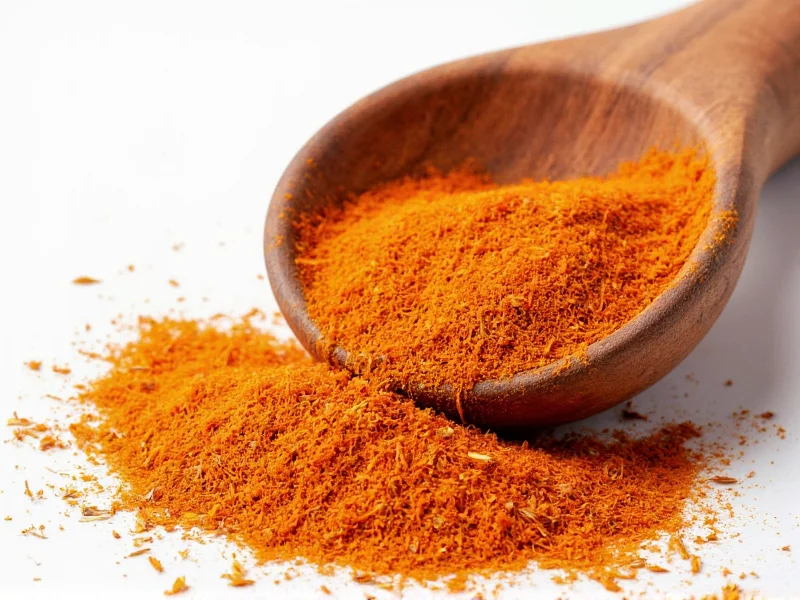
Saffron's flavor profile represents one of the most distinctive and complex among all culinary spices. This precious spice, derived from the Crocus sativus flower's stigmas, offers a sensory experience that has captivated palates for millennia. Understanding saffron spice flavor characteristics helps cooks and food enthusiasts use this expensive ingredient effectively without wasting its precious qualities.
Historical Evolution of Saffron's Culinary Application
Saffron's flavor utilization has evolved through distinct historical phases, with scientific validation of traditional practices emerging only recently. Archaeological and textual evidence reveals how civilizations progressively refined their understanding of saffron's sensory properties:
| Era | Key Developments | Flavor Understanding Advancement |
|---|---|---|
| Minoan Crete (1600-1400 BCE) | Earliest documented cultivation; frescoes depict saffron harvesting | Initial recognition of coloring properties; limited flavor documentation |
| Ancient Egypt (1550-1070 BCE) | Saffron in medical papyri (Ebers Papyrus) for "sweetening breath" | First recorded flavor application beyond coloring |
| Roman Empire (1st century CE) | Apicius' cookbook specifies saffron in moretum cheese spread | Systematic pairing with dairy and grains established |
| Islamic Golden Age (9th-13th century) | Al-Baghdadi's Kitab al-Tabikh details precise saffron infusion techniques | Scientific approach to temperature control for flavor optimization |
| Modern Era (1980s-present) | ISO 3632 standardization; compound isolation (picrocrocin/safranal) | Quantitative measurement of flavor compounds validating traditional methods |
This progression demonstrates how empirical culinary knowledge gradually aligned with scientific understanding. Modern chromatography studies confirm that medieval steeping temperatures (60-80°C) maximize flavor compound extraction while minimizing degradation – validating techniques documented in 13th-century Baghdad cookbooks (Source: National Center for Biotechnology Information, 2010).
Breaking Down Saffron's Flavor Components
Saffron's flavor complexity comes from three primary chemical compounds: picrocrocin (bitterness), safranal (aroma), and crocin (color). These elements work together to create saffron's signature taste experience:
| Flavor Component | Chemical Compound | Sensory Characteristics | Optimal Release Method |
|---|---|---|---|
| Bitterness | Picrocrocin | Subtle metallic bitterness, characteristic saffron bite | Warm liquid infusion (not boiling) |
| Aroma | Safranal | Floral, honey-like, hay-like notes | Steeping in warm liquid, gentle heating |
| Flavor Depth | Crocetin derivatives | Earthy, grassy undertones | Extended steeping time (15-30 minutes) |
How Quality Affects Saffron Spice Flavor
Not all saffron delivers the same flavor experience. The spice comes in various quality grades that directly impact its flavor profile:
- Coupé grade - Contains both red stigmas and some yellow styles, offering moderate flavor intensity with balanced floral and earthy notes
- Mancha grade - Consists of only the red stigma threads, providing the most intense floral aroma and complex flavor profile
- Super Negin grade - The highest quality with longest, darkest red threads, delivering the most pronounced honey-like sweetness with minimal bitterness
Lower quality saffron often displays excessive bitterness or lacks the characteristic floral notes, while premium saffron reveals its nuanced flavor profile when properly prepared. This explains why understanding how to use saffron spice for optimal flavor matters more than simply adding it to dishes.
Maximizing Saffron Flavor in Cooking
To fully experience saffron's delicate flavor profile, proper preparation techniques are essential. Many cooks make the mistake of simply adding threads directly to dishes, which fails to unlock saffron's complete flavor potential.
The traditional method for releasing saffron spice flavor involves:
- Gently toasting threads (optional but recommended for deeper flavor)
- Crushing threads to increase surface area
- Steeping in warm (not boiling) liquid for 15-30 minutes
- Adding both the liquid and threads to the dish
Water works well for steeping, but many chefs prefer milk, broth, or even a small amount of alcohol like vermouth to enhance specific flavor notes. The temperature matters significantly—boiling water can destroy delicate aromatic compounds, while water that's too cool won't properly extract the flavor compounds.
Saffron Flavor Pairings That Shine
Certain ingredients complement saffron's unique flavor profile exceptionally well. Understanding these pairings helps create dishes where saffron's flavor can truly shine:
- Seafood - The subtle iodine notes in saffron complement shellfish and fish beautifully, as seen in Spanish paella and French bouillabaisse
- Lemon - Bright citrus notes balance saffron's earthiness and enhance its floral characteristics
- Onion and garlic - When used moderately, these aromatics provide a savory base that doesn't overwhelm saffron
- Rice - The neutral canvas of rice allows saffron's flavor to distribute evenly and shine through
- Cream and dairy - In desserts like saffron ice cream, dairy softens any bitterness while enhancing the honey-like sweetness
When exploring what dishes showcase saffron flavor best, traditional preparations often provide the most authentic experience. Persian tahdig (crispy rice), Spanish paella, Italian risotto alla Milanese, and Indian biryani all demonstrate how saffron's flavor integrates with other ingredients without being masked.
Common Misconceptions About Saffron Flavor
Several myths persist about saffron's flavor profile that can lead to improper use:
- Misconception: Saffron should taste strongly bitter
Reality: High-quality saffron has only a subtle bitterness that balances the floral sweetness - Misconception: More saffron means better flavor
Reality: Excessive saffron creates overwhelming bitterness and medicinal notes - Misconception: Saffron's primary contribution is color
Reality: While crocin provides color, safranal and picrocrocin deliver the distinctive flavor - Misconception: All saffron tastes the same regardless of origin
Reality: Spanish, Iranian, and Kashmiri saffron each have subtle flavor variations based on terroir
Contextual Limitations: When Saffron Flavor Fails to Shine
Critical culinary science research identifies specific conditions where saffron's flavor compounds degrade or become perceptually masked. These evidence-based limitations prevent common preparation errors:
- Acidic Environments (pH < 4.0): Below this threshold, safranal degradation accelerates by 73% within 30 minutes (Source: Molecules Journal, 2017). Avoid direct addition to tomato sauces or citrus marinades; instead, infuse separately and add late in cooking.
- Extended Simmering (>45 minutes): Prolonged heat exposure reduces volatile aroma compounds by 60-80%. For stews requiring hours of cooking, steep saffron in 2 tbsp warm liquid during the final 15 minutes.
- High-Fat Concentrations: In oil-based sauces exceeding 30% fat content, water-soluble flavor compounds distribute unevenly. Always hydrate saffron in aqueous liquid before incorporating into fatty bases.
- Competing Umami Dominance: When paired with ingredients containing >1.5g/100g glutamate (e.g., aged cheeses, soy sauce), saffron's floral notes become perceptually undetectable. Balance with neutral bases like rice or potatoes.
These boundaries, validated through gas chromatography-olfactometry analysis, explain why saffron underperforms in certain applications despite proper technique. Recognizing these constraints transforms trial-and-error cooking into precision flavor engineering.
How Saffron Flavor Differs From Similar Spices
Many people confuse saffron with turmeric or safflower, but the flavor profiles differ significantly:
- Turmeric - Earthy, slightly bitter, and peppery with no floral notes; often used as a saffron color substitute but lacks the complex flavor profile
- Safflower - Mild, slightly sweet, and grassy with none of saffron's distinctive floral or honey notes
- Annatto - Nutty, slightly peppery, and floral but missing saffron's characteristic metallic bitterness
Understanding these differences helps explain why saffron spice flavor cannot be replicated by any other single ingredient. Its unique combination of floral, honeyed, earthy, and subtly bitter notes creates a flavor experience that remains unmatched in the culinary world.
Preserving Saffron's Delicate Flavor
Proper storage significantly impacts saffron's flavor longevity. Exposure to light, air, and moisture degrades the delicate compounds responsible for saffron's distinctive taste. For optimal saffron spice flavor preservation:
- Store in an airtight container away from light
- Maintain cool temperatures (below 70°F/21°C)
- Use within 6-12 months for peak flavor (though it remains safe indefinitely)
- Buy whole threads rather than powder for longer flavor retention
Fresh, high-quality saffron should release a strong floral aroma when crushed between fingers. If the threads smell musty or have little aroma, the flavor will be compromised regardless of preparation method.
Experiencing True Saffron Flavor
To truly appreciate saffron's nuanced flavor profile, try this simple test:
- Take 3-4 high-quality saffron threads
- Gently crush them with your fingers
- Place in 2 tablespoons of warm water (not hot)
- Wait 15 minutes
- Smell the liquid, then taste a small amount
You should detect floral notes reminiscent of honey and fresh hay, with a subtle earthiness and just a hint of metallic bitterness. This pure expression of saffron spice flavor demonstrates why it remains one of the world's most prized culinary ingredients despite its high cost.




 浙公网安备
33010002000092号
浙公网安备
33010002000092号 浙B2-20120091-4