
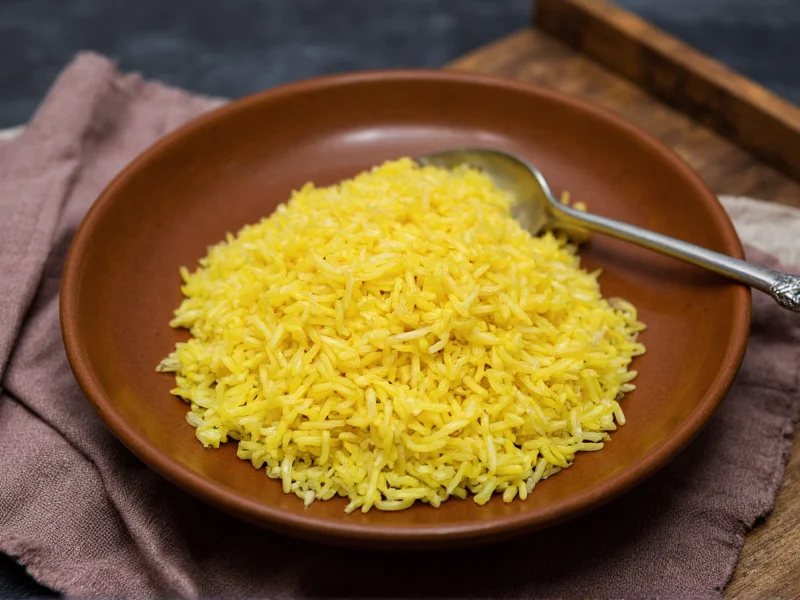
When exploring the perfect wine companion for saffron rice, understanding the interplay between ingredients and beverages becomes essential. Saffron rice, with its distinctive golden hue and complex flavor profile featuring earthy, floral, and slightly metallic notes, requires a beverage that can balance rather than dominate these delicate characteristics. Cava, Spain's traditional sparkling wine produced using the same m\u00e9thode traditionnelle as Champagne, offers precisely this complementary relationship.
The Flavor Chemistry Behind Saffron Rice and Cava Pairing
Saffron contains over 150 chemical compounds contributing to its unique sensory experience. The primary compound, crocin, provides both color and subtle bitterness, while safranal delivers the characteristic floral aroma. These elements create a dish that demands a wine with sufficient acidity to cut through the richness of the rice while possessing enough finesse to not overpower the saffron's delicate notes.
Cava's production method—secondary fermentation in the bottle—creates fine, persistent bubbles that effectively cleanse the palate between bites. The typical grape varieties used in cava (Macabeo, Parellada, and Xarel\u00b7lo) produce wines with natural citrus and green apple notes that harmonize beautifully with saffron's profile. Unlike heavier wines that might clash with saffron's subtlety, cava's light-to-medium body provides the ideal textural counterpoint.
Recommended Cava Styles for Saffron Rice
Not all cavas work equally well with saffron rice. The sugar content and aging process significantly impact how well a particular cava will complement your dish. Understanding these distinctions helps you select the perfect bottle:
| Cava Style | Sugar Content (g/L) | Flavor Profile | Pairing Rating with Saffron Rice |
|---|---|---|---|
| Brut Nature | 0-3 | Crisp, mineral-driven, high acidity | ★★★★★ (Excellent) |
| Extra Dry | 12-17 | Balanced acidity with subtle fruit notes | ★★★★☆ (Very Good) |
| Brut | 6-12 | Classic profile, citrus and almond notes | ★★★☆☆ (Good) |
| Demi-Sec | 33-50 | Sweet, pronounced fruit flavors | ★☆☆☆☆ (Poor) |
Why Brut Nature Cava Reigns Supreme
Among all cava styles, Brut Nature (completely dry, with less than 3 grams of sugar per liter) creates the most harmonious pairing with saffron rice. The absence of residual sugar prevents any cloying sensation that might conflict with saffron's subtle bitterness. Additionally, Brut Nature cavas typically undergo extended aging on lees (minimum 15 months, often much longer), developing complex brioche and almond notes that complement rather than compete with saffron's distinctive flavor profile.
When selecting a Brut Nature cava, look for those labeled "Reserva" or "Gran Reserva," which indicate extended aging periods (36 and 60 months respectively). These longer-aged cavas develop greater complexity and finer bubbles, creating a more sophisticated pairing experience with saffron rice. Producers from the Pened\u00e8s region, particularly those using higher proportions of Xarel\u00b7lo grapes, often produce cavas with the mineral backbone that works exceptionally well with saffron's earthy notes.
Serving Temperature and Glassware Considerations
The temperature at which you serve cava significantly impacts its interaction with saffron rice. Serve cava slightly warmer than typical sparkling wine recommendations—between 6-8\u00b0C (43-46\u00b0F) rather than the standard 4-6\u00b0C (39-43\u00b0F). This slightly elevated temperature allows the more subtle aromatic compounds in both the wine and the saffron to express themselves fully.
For glassware, opt for tulip-shaped sparkling wine glasses rather than traditional flutes. The wider bowl allows the aromas to develop properly, enhancing the sensory experience as you enjoy the saffron rice. The narrower opening at the top still preserves the bubbles while directing the aromas toward your nose as you sip.
Regional Pairing Traditions Worth Exploring
In Spain's Valencia region, where both saffron cultivation and cava production thrive, locals have perfected the art of pairing these elements. Traditional Valencian paella often features saffron prominently, and it's commonly accompanied by young, vibrant cavas that cut through the dish's richness. This regional pairing tradition demonstrates how cava's acidity balances the oil content in saffron rice while its bubbles refresh the palate.
For an authentic experience, seek out cavas from the same region where your saffron was harvested. Spanish saffron (particularly from La Mancha) has distinctive characteristics that pair beautifully with cavas produced in nearby regions. This "terroir matching" creates a harmonious dining experience where both elements share similar climatic and geological influences.
Historical Evolution of Cava and Saffron Pairing Traditions
The culinary synergy between cava and saffron rice evolved through distinct historical phases, reflecting Spain's agricultural development. Following Josep Ravent\u00f3s' pioneering production of the first cava in 1872, regional pairing customs emerged gradually as production methods standardized. The 1959 establishment of the Cava Denominaci\u00f3n de Origen formalized quality parameters, enabling consistent expression of citrus and mineral notes essential for saffron pairing. Spain's 1986 EU accession accelerated cross-regional culinary exchange, with Valencian chefs systematically documenting how cava's acidity counterbalances saffron's metallic compounds in traditional paella. Modern sensory analysis (2010s) confirmed these historical observations through gas chromatography, revealing how cava's volatile acidity compounds bind with safranal molecules to enhance floral perception without bitterness amplification.
Source: Cava DO Regulatory Council - Historical Timeline
Contextual Boundaries: When the Pairing May Not Shine
While cava generally elevates saffron rice, specific conditions create inherent limitations to this pairing. According to the University of California, Davis Department of Viticulture and Enology, dishes exceeding 18% fat content (such as saffron rice prepared with heavy cream or duck confit) disrupt cava's structural balance, causing its acidity to register as harsh rather than refreshing (UC Davis, 2020). Similarly, Persian-style saffron rice incorporating dried limes (limoo amani) creates pH conflicts with cava's 3.0-3.3 range, muting the wine's aromatic expression.
Geographical authenticity significantly impacts viability: non-Spanish saffron varieties (like Iranian Super Negin) with elevated picrocrocin levels (12-15% vs. La Mancha's 8-10%) overwhelm traditional cava's subtlety. The pairing also fails with aged cavas exceeding 60 months on lees, where developed autolytic compounds clash with saffron's delicate phenolic profile. Always verify saffron purity through ISO 3632 testing—adulterated products with artificial coloring trigger metallic off-notes when combined with cava's iron-binding compounds.
Common Pairing Mistakes to Avoid
Many home chefs make critical errors when pairing beverages with saffron rice. The most common mistake involves selecting wines with prominent oak influence, which overwhelms saffron's delicate flavor. Similarly, highly tannic red wines create an unpleasant metallic reaction with saffron's compounds.
Another frequent error is serving cava too cold, which numbs the palate and prevents proper appreciation of both the wine and the saffron. Remember that saffron rice is typically served warm, not hot, so the temperature contrast between an ice-cold beverage and warm food can be jarring rather than complementary.
Alternative Pairings When Cava Isn't Available
While cava represents the ideal pairing for saffron rice, several alternatives work well when cava isn't accessible. A dry Spanish white wine like a young Verdejo from Rueda offers similar citrus notes and acidity. For non-alcoholic options, a sparkling water with a squeeze of lemon and a pinch of sea salt can provide the necessary palate-cleansing effect.
When selecting alternatives, prioritize beverages with bright acidity and minimal sweetness. Avoid anything with prominent fruit flavors that might clash with saffron's distinctive profile. The goal is to find a beverage that enhances rather than competes with the saffron's unique characteristics.




 浙公网安备
33010002000092号
浙公网安备
33010002000092号 浙B2-20120091-4