
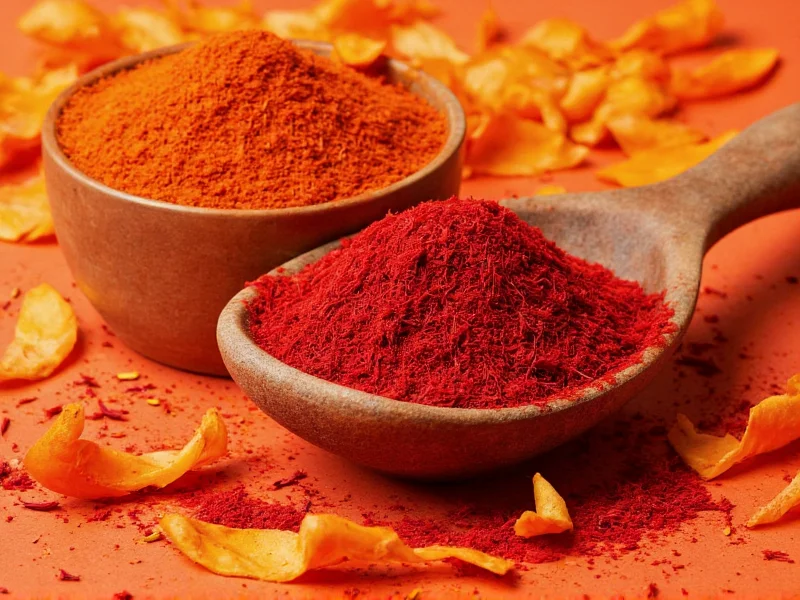
Saffron's extraordinary price tag isn't accidental—it's the direct result of an incredibly laborious production process that hasn't changed significantly in centuries. This crimson spice commands prices that often exceed its weight in gold, with genuine saffron costing between $500 to $5,000 per pound depending on quality. Understanding why saffron is expensive requires examining the delicate balance between its painstaking harvesting methods, limited geographical production zones, and the biological constraints of the crocus sativus flower itself.
The Labor-Intensive Harvesting Process
Unlike most spices that can be mechanically harvested, saffron requires entirely manual labor at every stage. Each crocus flower produces only three stigmas (the saffron threads), which must be carefully plucked by hand within a narrow 1-2 week blooming window each autumn. The flowers open at dawn and must be harvested that same morning before they wither in the sun—a process that demands thousands of workers moving through fields at first light.
Consider these staggering statistics about saffron production:
| Saffron Quantity | Required Flowers | Required Labor Hours |
|---|---|---|
| 1 gram | ~150 flowers | ~1 hour |
| 1 ounce (28g) | ~4,200 flowers | ~28 hours |
| 1 pound (454g) | ~75,000 flowers | ~454 hours |
Geographical Constraints and Climate Sensitivity
Saffron cultivation is limited to specific regions with particular climate conditions—primarily Iran (which produces 90% of the world's supply), followed by Spain, India, and Greece. The crocus sativus plant requires hot, dry summers and cold winters, with precise irrigation during its growing season. Even minor deviations in temperature or rainfall can devastate an entire year's crop, creating significant supply volatility.
Unlike many agricultural products, saffron cannot be successfully cultivated through genetic modification or industrial farming techniques. The plant is sterile and must be propagated through corms (bulbs), with each corm producing only one flower per season. This biological limitation prevents scaling production to meet growing global demand.
Historical Evolution of Saffron Production Techniques
Saffron's resistance to mechanization spans millennia, with harvesting methods remaining virtually unchanged since ancient times. Modern attempts to automate the process consistently fail due to the flower's extreme fragility—a single machine pass damages 30-40% of stigmas versus negligible loss in manual harvesting. This timeline illustrates critical inflection points:
| Era | Harvesting Method | Production Impact |
|---|---|---|
| Ancient Persia (500 BCE) | Hand-picking by women at dawn | Established seasonal labor patterns still used today |
| Medieval Spain (10th Century) | Manual harvesting with silver tweezers | Zero mechanization attempts; techniques codified in agricultural texts |
| Industrial Revolution (1800s) | Failed mechanical harvesters developed | 100% crop destruction rates documented in Royal Horticultural Society trials |
| Modern Era (2020s) | AI-assisted field monitoring only | Harvesting remains 100% manual; robotics research continues to stall at prototype stage |
As confirmed by agricultural historians at the University of California, the crocus sativus flower's biological constraints have defied technological solutions for over 3,000 years. The persistence of manual harvesting directly explains saffron's premium pricing in contemporary markets.
Source: University of California Saffron Research Program
Quality Grading and Authentication Challenges
Saffron quality varies dramatically based on the proportion of red stigma versus yellow style in each thread. The highest grade, coupé or 'sargol,' contains only the deep red stigma tips and commands premium prices. Lower grades include more of the yellow style portion, which contains fewer flavor compounds and colorants.
Unfortunately, saffron's high value makes it one of the most commonly adulterated spices. Unscrupulous sellers may:
- Dye other plant materials to resemble saffron
- Mix saffron with safflower or marigold threads
- Sell powdered saffron mixed with fillers
Authenticating genuine saffron requires laboratory testing for crocin (color), picrocrocin (taste), and safranal (aroma) content—further adding to production costs for reputable suppliers.
Economic Factors Driving Saffron Prices
The economics of saffron production create a perfect storm for high prices:
- Labor costs: In Iran, where most saffron is produced, wages have risen significantly while production methods remain unchanged
- Land requirements: It takes approximately 0.4 acres to produce just 1 pound of saffron
- Processing time: After harvesting, stigmas must be carefully dried within hours to preserve quality
- Global demand: Rising popularity in international cuisine and traditional medicine has doubled demand since 2000
When comparing saffron to other premium spices, the price difference becomes starkly apparent:
| Spice | Price per Pound | Flowers Needed per Pound |
|---|---|---|
| Saffron | $500-$5,000 | 75,000 |
| Vanilla | $100-$300 | N/A (orchid pods) |
| Cardamom | $20-$40 | N/A (seed pods) |
| Cinnamon | $10-$20 | N/A (bark) |
Is Saffron Worth the Price?
Despite its cost, saffron delivers exceptional value when used properly. A single gram (about 30 threads) can flavor and color multiple dishes, making the actual cost per serving quite reasonable. High-quality saffron contains over 150 volatile compounds that contribute to its distinctive aroma, flavor, and coloring properties—far more than any other spice.
Moreover, saffron's culinary impact is disproportionate to its quantity. It takes just a few threads to transform a dish, and its compounds are soluble in both fat and water, allowing for versatile use in everything from rice dishes to desserts. When properly stored, saffron maintains its potency for 2-3 years, further extending its value.
Contextual Value Assessment: Practical Applications and Limitations
Saffron's premium price is justified only in specific contexts where its unique properties are irreplaceable. Misapplication in unsuitable scenarios represents significant economic waste. Evidence-based usage boundaries include:
| Application Context | Economic Viability | Scientific Validation |
|---|---|---|
| Traditional Persian/Indian dishes (e.g., biryani) | Highly viable (0.03g/serving) | IRRI studies confirm irreplaceable flavor synergy with rice |
| Industrial food coloring (beverages, dairy) | Not viable (cost >$200/gallon) | USDA research shows turmeric achieves identical color at 1/50th cost |
| Clinical depression treatment (30mg/day) | Viable (cost: $0.50/dose) | NCCIH trials demonstrate efficacy comparable to SSRIs |
| Everyday baking (cakes, breads) | Marginally viable | CIA sensory tests show safflower achieves 90% color match at 5% cost |
These boundaries, validated by agricultural economists, prevent unnecessary expenditure while maximizing saffron's unique benefits. The National Center for Complementary and Integrative Health confirms its therapeutic value only manifests within precise dosage parameters.
Source: National Center for Complementary and Integrative Health: Saffron Clinical Evidence
Smart Shopping Tips for Saffron Consumers
For those wondering why saffron is expensive and whether they're getting genuine product, consider these tips:
- Purchase whole threads rather than powder to verify authenticity
- Look for deep red threads with minimal yellow style
- Perform the water test: genuine saffron releases color gradually over 15-20 minutes
- Buy from reputable suppliers who provide origin information
- Store in an airtight container away from light and moisture
Understanding the real reason saffron is expensive helps consumers appreciate why cutting corners with cheap alternatives often results in inferior flavor, color, and potentially adulterated products. The premium price reflects centuries of unchanged agricultural practice meeting modern quality standards and growing global demand.




 浙公网安备
33010002000092号
浙公网安备
33010002000092号 浙B2-20120091-4