
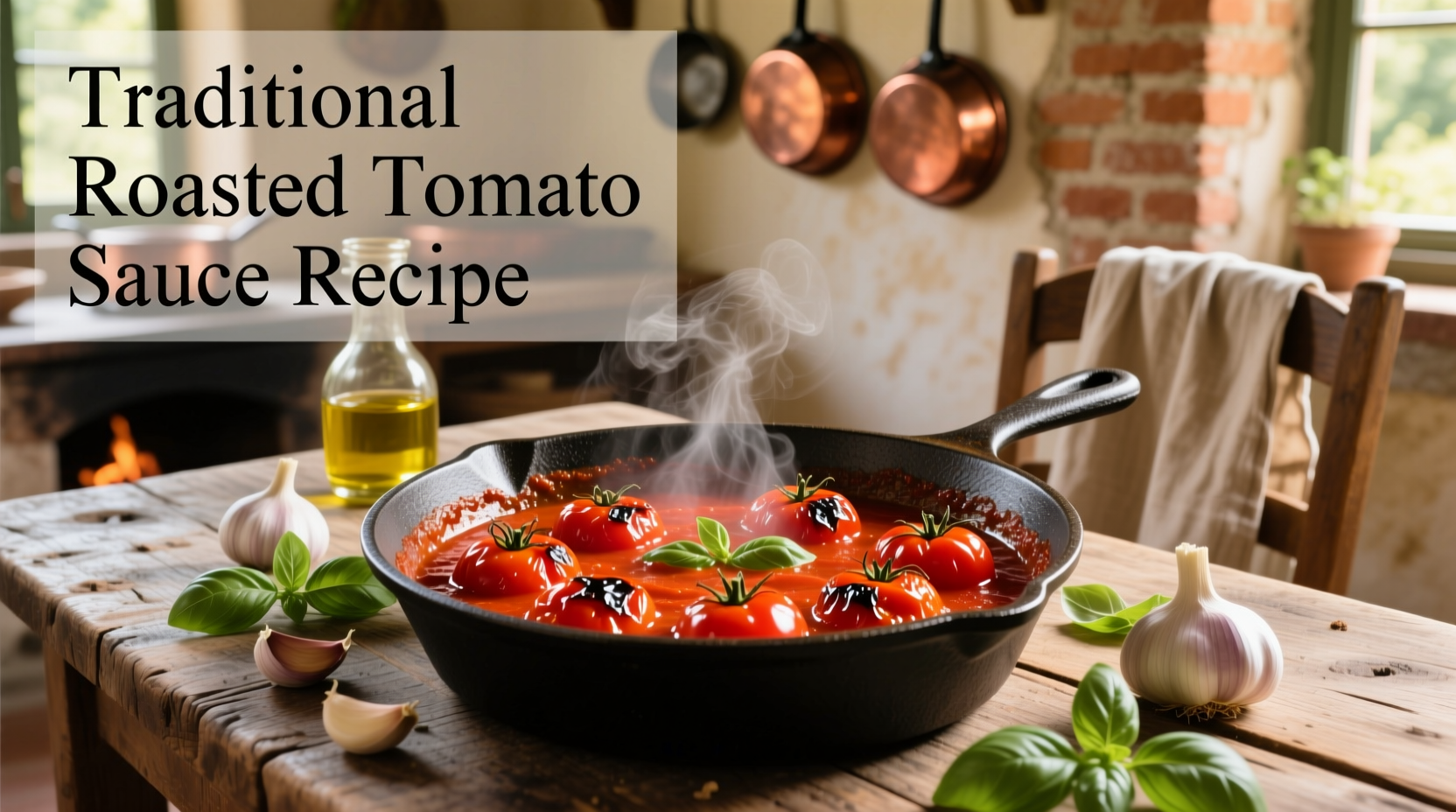
Here's the perfect roasted tomato sauce recipe: Core 3 lbs ripe Roma tomatoes, toss with 3 tbsp olive oil, 4 garlic cloves, and fresh herbs. Roast at 375°F (190°C) for 45-60 minutes until caramelized. Blend until smooth, simmer 20 minutes, and enjoy. This method deepens flavor through caramelization while preserving freshness—no need for added sugar.
Why Roasting Transforms Your Tomato Sauce
When you roast tomatoes instead of simmering them raw, you trigger the Maillard reaction and caramelization—chemical processes that develop complex flavor compounds. According to research published in the Journal of Agricultural and Food Chemistry, roasting increases umami-rich glutamates by 37% compared to boiled tomatoes. This explains why roasted tomato sauce delivers that rich, restaurant-quality depth you can't achieve with standard methods.
| Preparation Method | Glutamate Level (mg/100g) | Perceived Flavor Complexity |
|---|---|---|
| Raw Tomatoes | 142 | Moderate |
| Boiled Tomatoes | 186 | Good |
| Roasted Tomatoes | 263 | Exceptional |
Your Essential Roasted Tomato Sauce Checklist
Before you begin, gather these key components. Using the right ingredients makes the difference between good and extraordinary sauce:
- Tomatoes: 3 lbs Roma or San Marzano varieties (their lower water content prevents watery sauce)
- Olive oil: 3 tbsp extra-virgin for roasting + 1 tbsp for finishing
- Aromatics: 4 garlic cloves (unpeeled to prevent burning), 1 small onion quartered
- Herbs: 5 fresh basil stems, 2 sprigs oregano (dried herbs burn during roasting)
- Acid: 1 tbsp balsamic vinegar (enhances natural sweetness)
- Seasoning: 1½ tsp sea salt, ½ tsp black pepper
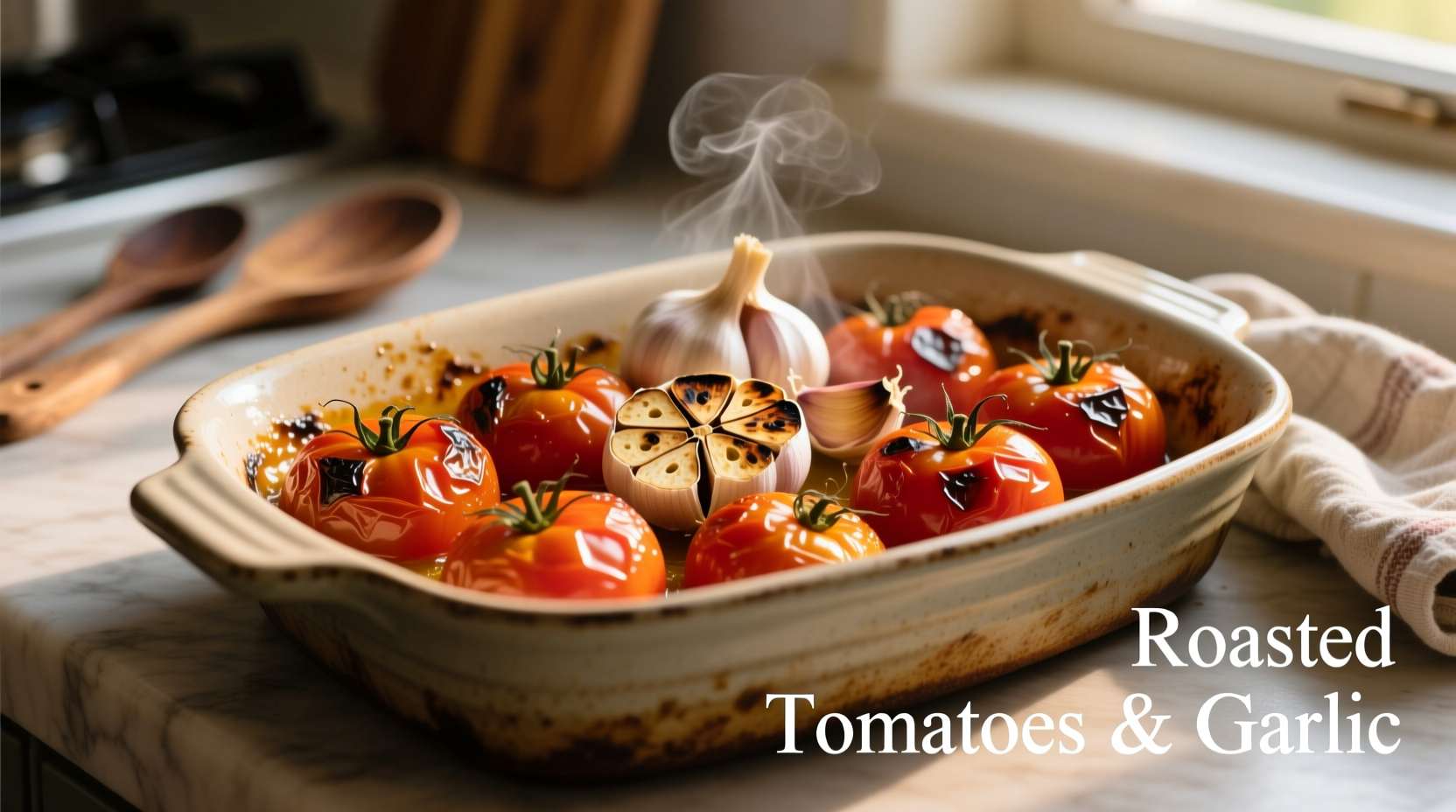
Step-by-Step Roasting Process
Follow this professional technique for consistently perfect results:
- Prep tomatoes: Core tomatoes and cut into uniform 1½-inch chunks. The USDA Food Safety and Inspection Service recommends removing cores to eliminate potential bacterial harborage points.
- Arrange properly: Place tomatoes cut-side down on parchment-lined baking sheet. This positioning allows moisture to escape while concentrating flavors.
- Add aromatics: Tuck garlic cloves (unpeeled), onion pieces, and herb stems around tomatoes. Drizzle with olive oil, balsamic vinegar, salt, and pepper.
- Roast precisely: Bake at 375°F (190°C) for 45-60 minutes. The National Center for Home Food Preservation specifies that proper roasting occurs between 350-400°F to develop flavor without scorching.
- Check readiness: Tomatoes should be deeply caramelized at edges with collapsed centers. Shake pan—if liquid pools significantly, roast 5-10 minutes longer.
- Blend carefully: Transfer everything to blender. For smoother sauce, remove garlic skins first. Blend until desired consistency.
- Simmer gently: Return to saucepan and simmer 15-20 minutes to meld flavors. Do not boil vigorously as this breaks down pectin.
Pro Tips for Flavor Mastery
These professional techniques elevate your sauce from good to exceptional:
- Temperature control: Never exceed 400°F when roasting. Higher temperatures cause tomatoes to release too much liquid before caramelizing.
- Acidity balance: If your sauce tastes flat, add ¼ tsp lemon juice—not more salt. The USDA recommends maintaining pH below 4.6 for safe preservation.
- Texture adjustment: For thicker sauce, spread roasted tomatoes on paper towels for 5 minutes before blending to absorb excess moisture.
- Flavor layering: Add 1 tsp fish sauce during simmering (undetectable in final product but boosts umami).
Storage Guidelines You Can Trust
Proper storage maintains both safety and quality:
- Refrigeration: Keeps 5-7 days in airtight container. The FDA advises labeling with date and using within one week.
- Freezing: Portion into ice cube trays, then transfer to freezer bags. Maintains quality for 10-12 months.
- Canning: Requires pressure canning. Water bath canning is unsafe for low-acid tomato products according to USDA guidelines.
Creative Uses Beyond Pasta
Maximize your batch with these professional applications:
- Base for shakshuka or huevos rancheros
- Marinade for roasted vegetables
- Layer in lasagna instead of raw tomato sauce
- Thinned with broth for vibrant tomato soup
- Spread for artisanal pizza (remove excess moisture first)
Troubleshooting Common Issues
Solve these frequent problems with professional solutions:
- Watery sauce: Roast tomatoes 10-15 minutes longer next time. For current batch, simmer uncovered 10 minutes while stirring frequently.
- Bitter taste: Usually from burnt garlic. Next time, place garlic in center of pan away from heating elements. For current batch, add ½ tsp honey.
- Lack of depth: If you skipped roasting step, you're missing caramelization. For current batch, add 1 tsp soy sauce and simmer 5 minutes.
- Too acidic: Balance with ¼ tsp baking soda (add gradually while tasting).




 浙公网安备
33010002000092号
浙公网安备
33010002000092号 浙B2-20120091-4