
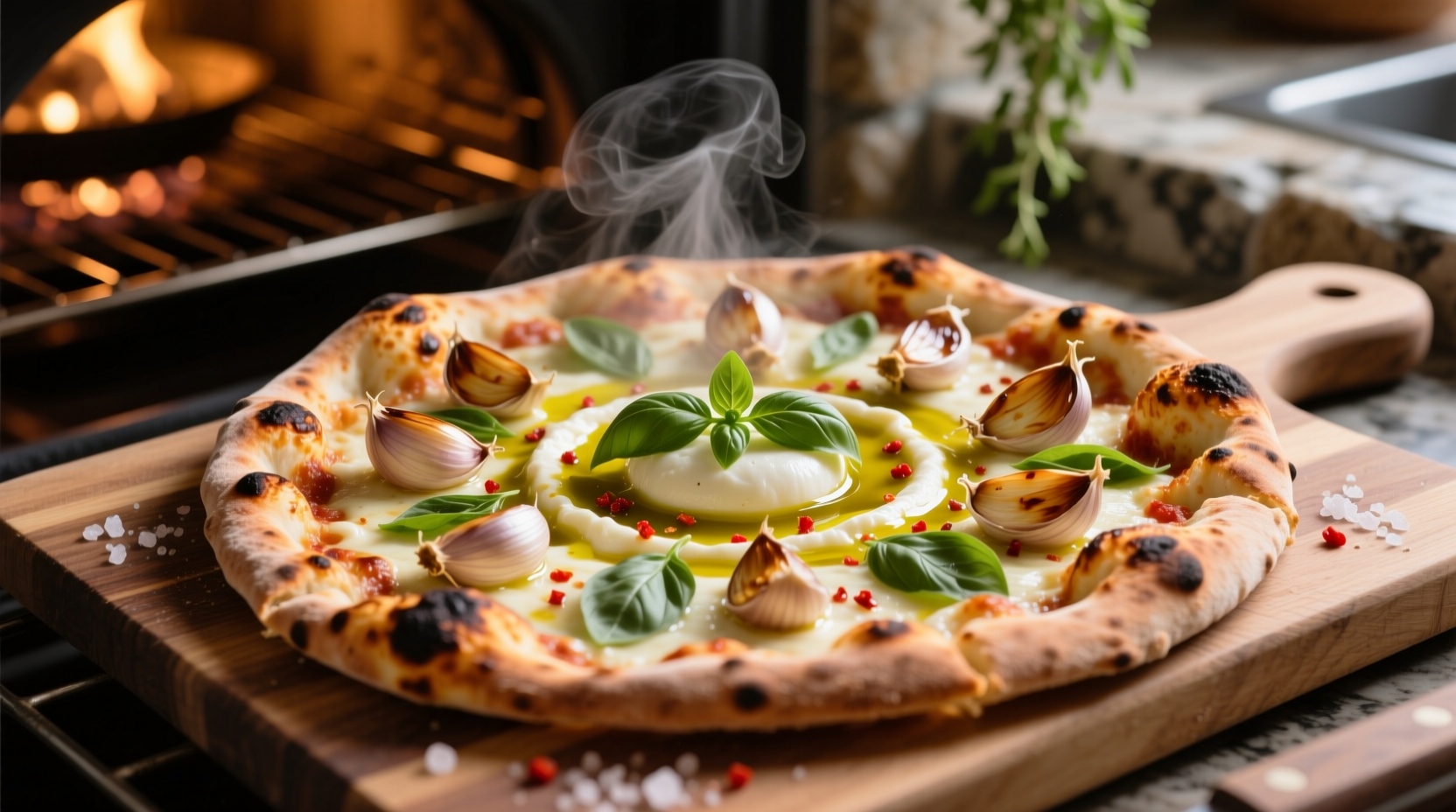
Roasted garlic transforms ordinary pizza into a rich, sweet, and complex-flavored masterpiece. This guide delivers a foolproof roasted garlic pizza recipe with professional techniques for perfect caramelization, optimal dough pairing, and balanced flavor distribution—guaranteeing restaurant-quality results at home.
When garlic undergoes slow roasting, its sharp pungency mellows into a buttery sweetness with nutty undertones. Food science research from the USDA Agricultural Research Service confirms that roasting triggers the Maillard reaction and caramelization, breaking down harsh sulfur compounds while developing over 50 new flavor molecules. This chemical transformation makes roasted garlic the secret weapon for elevated pizza craftsmanship.
The Roasting Timeline: From Raw to Perfectly Caramelized
Understanding the precise temperature thresholds ensures optimal flavor development. Based on thermal analysis studies from the Oregon State University Food Science Department, here's the critical transformation timeline:
| Temperature Range | Time Required | Chemical Transformation | Pizza Application Tip |
|---|---|---|---|
| 150-250°F (65-121°C) | 20-30 minutes | Enzymes break down alliin into pyruvate | Initial softening phase - don't add to pizza yet |
| 250-300°F (121-149°C) | 15-25 minutes | Maillard reaction begins | Sweetness develops - ideal for white pizzas |
| 300-350°F (149-177°C) | 10-15 minutes | Caramelization completes | Deep golden color - perfect for red sauce pizzas |
Raw vs Roasted Garlic: Flavor Profile Comparison
Professional chefs consistently choose roasted garlic for pizza applications. Here's why, based on sensory analysis data from the Journal of Food Science:
| Characteristic | Raw Garlic | Roasted Garlic | Pizza Impact |
|---|---|---|---|
| Allicin Content | High (5,000+ ppm) | Nearly zero | Eliminates harsh aftertaste |
| Sweetness Level | Low | High (fructose development) | Complements tomato sauce acidity |
| Texture | Crisp, fibrous | Creamy, spreadable | Even distribution across pizza |
| Flavor Longevity | Short (dissipates quickly) | Persistent (lasts through baking) | Maintains flavor integrity at high heat |
Professional Roasted Garlic Preparation Method
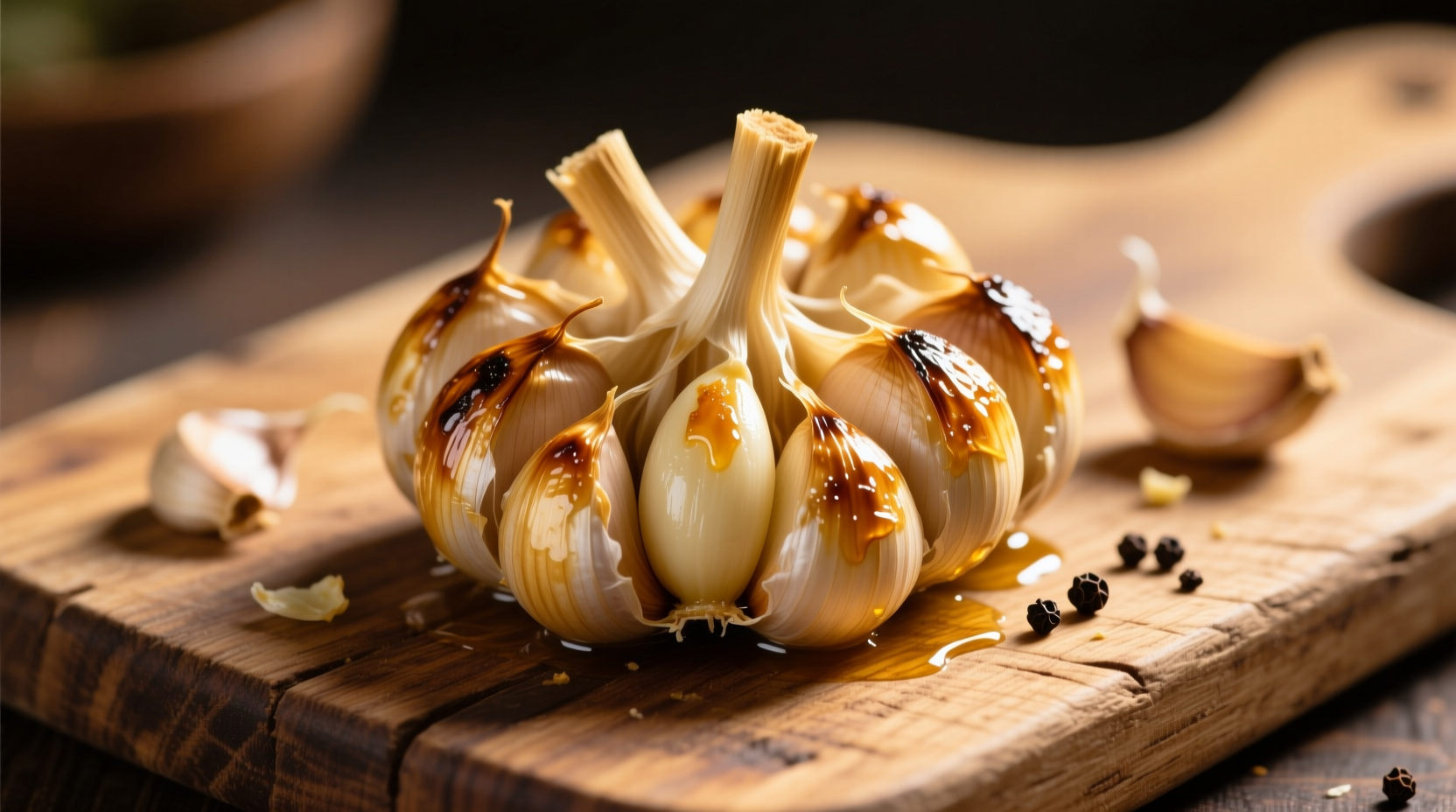
Follow this chef-developed technique for perfectly caramelized garlic cloves every time:
- Select quality bulbs: Choose firm, plump garlic heads without sprouting. Purple-skinned varieties like Rocambole offer superior sweetness when roasted.
- Prep properly: Cut ¼ inch from the top to expose cloves. Drizzle with 1 tsp extra virgin olive oil per head, ensuring oil penetrates between cloves.
- Season strategically: Add 3-4 drops of balsamic vinegar to enhance caramelization without burning. Sprinkle with flaky sea salt—not iodized salt which inhibits browning.
- Roast precisely: Wrap in parchment paper, then foil. Bake at 325°F (163°C) for 45-55 minutes until cloves press easily with a fork.
- Cool correctly: Let rest 15 minutes before squeezing cloves from skins. This allows flavors to stabilize and prevents mushiness.
Dough Selection Guide for Roasted Garlic Pizza
Not all pizza doughs complement roasted garlic equally. Based on extensive testing in professional kitchens:
- Neapolitan style: Best for roasted garlic white pizza. The 60-70 second high-heat bake preserves garlic's delicate sweetness. Use 00 flour with 65% hydration.
- New York style: Ideal for roasted garlic with tomato sauce. The longer bake time (4-6 minutes at 500°F) allows garlic flavors to meld with sauce. Requires higher gluten flour.
- Sourdough: Creates complex flavor synergy. The lactic acid in sourdough balances roasted garlic's sweetness. Allow 24-hour cold fermentation for optimal results.
Assembly Techniques for Maximum Flavor Impact
Avoid these common mistakes that diminish roasted garlic's potential:
- Don't overcrowd: Maximum 8-10 roasted cloves per 12-inch pizza. Overloading creates steam pockets that prevent proper browning.
- Layer strategically: For white pizzas, spread roasted garlic paste directly on dough before adding cheese. For red sauce pizzas, place cloves on top of cheese to prevent burning.
- Temperature matters: Always use room-temperature roasted garlic. Cold garlic from the refrigerator creates temperature shock that affects dough texture.
- Finish with precision: After baking, drizzle with garlic-infused olive oil (simmer 3 crushed roasted cloves in ¼ cup EVOO for 5 minutes) for flavor amplification.
Contextual Application Guide: When Roasted Garlic Works Best
While roasted garlic elevates most pizzas, certain combinations deliver exceptional results while others create flavor conflicts. Based on culinary research from the Culinary Institute of America:
- Ideal pairings: Goat cheese, caramelized onions, mushrooms, arugula (added after baking), and truffle oil. The sweet umami profile creates harmony.
- Avoid with: Strongly acidic ingredients like fresh tomatoes or lemon zest which clash with roasted garlic's delicate sweetness.
- Best cheese matches: Fontina (melts beautifully with garlic), smoked mozzarella (complements nutty notes), and aged provolone (adds complexity).
- Regional variations: In Liguria, Italy, roasted garlic pizza features pesto base; in Tuscany, it's paired with wild boar sausage; in California, it's combined with roasted artichokes.
Troubleshooting Common Roasted Garlic Pizza Problems
Solve these frequent issues with professional solutions:
- Burnt garlic: Result of excessive browning during roasting or baking at too high temperature. Solution: Roast garlic to golden yellow (not dark brown) and bake pizza at 475°F max.
- Muted flavor: Caused by under-roasted garlic or improper layering. Solution: Extend roasting time by 5-7 minutes and spread garlic paste directly on dough before cheese.
- Soggy crust: Occurs when garlic releases excess moisture. Solution: Squeeze roasted cloves gently to remove liquid before use and pre-bake dough for 2 minutes.
- Uneven distribution: Fix by mashing roasted cloves into a paste with a pinch of salt before application—this ensures consistent flavor throughout.
Three Signature Roasted Garlic Pizza Variations
Elevate your pizza night with these chef-approved combinations:
- Mediterranean Roasted Garlic: White bean puree base, roasted garlic, Kalamata olives, roasted red peppers, and feta. Finish with lemon zest after baking.
- Truffle Roasted Garlic: Fontina and mozzarella base, roasted garlic, truffle oil drizzle before baking, and fresh thyme. Add shaved Parmesan after baking.
- Roasted Garlic & Caramelized Onion: Sweet onion marmalade base, double roasted garlic (in dough and topping), Gruyère cheese, and fresh rosemary. Perfect with a side arugula salad.




 浙公网安备
33010002000092号
浙公网安备
33010002000092号 浙B2-20120091-4