
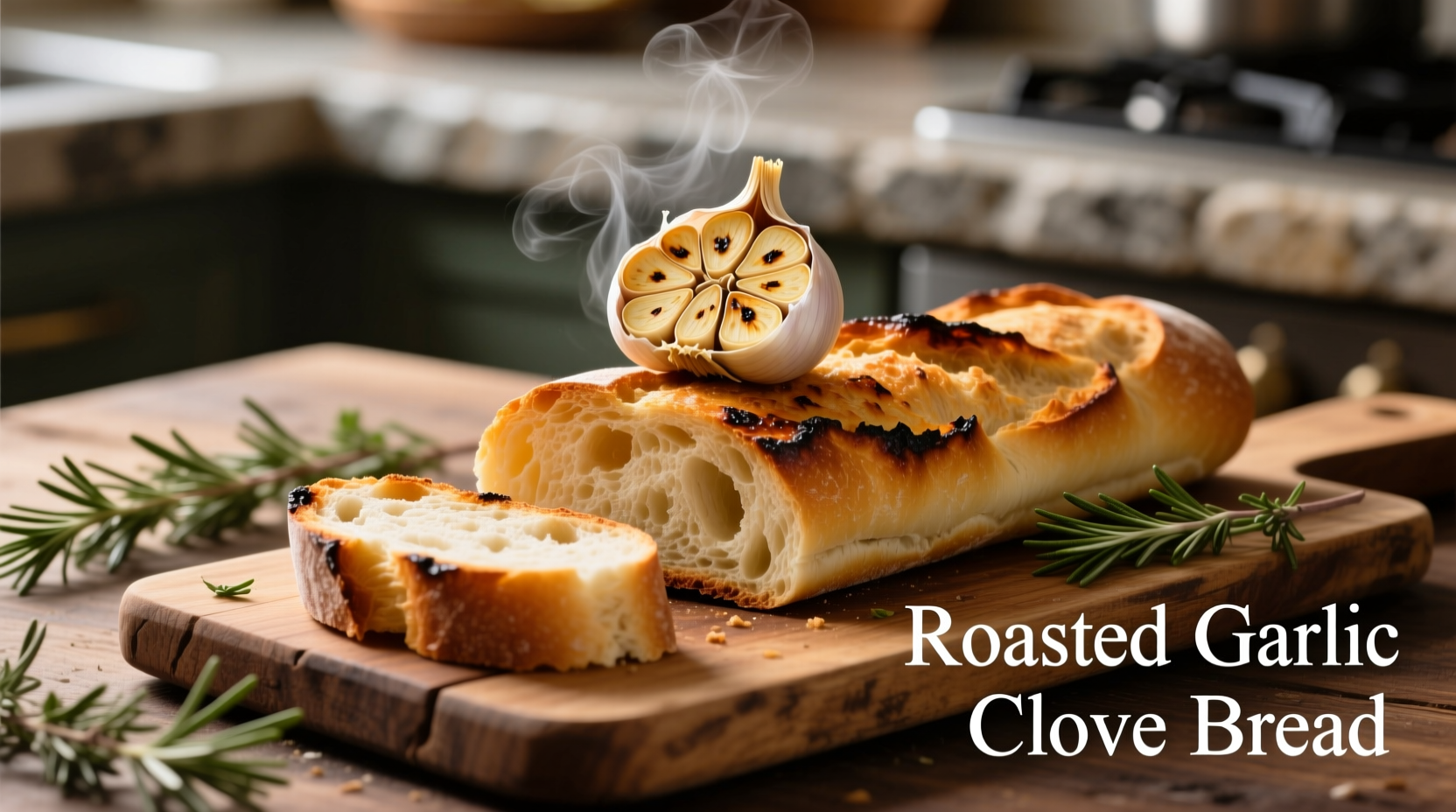
Roasted garlic clove bread transforms ordinary garlic bread into a sophisticated culinary delight with sweet, mellow garlic flavor and creamy texture—no bitter aftertaste, perfect for entertaining or elevating weeknight meals. This guide reveals professional techniques for achieving perfectly roasted garlic integration every time.
The Secret Transformation: Why Roasted Garlic Beats Raw Every Time
When you roast whole garlic cloves before incorporating them into bread, you trigger a remarkable chemical transformation. The heat deactivates alliinase, the enzyme responsible for raw garlic's pungent bite, while caramelizing natural sugars. According to research published in the Journal of Agricultural and Food Chemistry, this process converts harsh allicin compounds into milder, sweeter thiosulfinates that blend harmoniously with bread's texture without burning in the oven.
| Property | Raw Garlic in Bread | Roasted Garlic Cloves in Bread |
|---|---|---|
| Flavor Profile | Sharp, pungent, can dominate | Sweet, nutty, integrates smoothly |
| Texture Impact | Hard bits that burn | Creamy pockets that melt |
| Digestibility | Can cause discomfort | Gentler on stomach |
| Storage Life | Flavor intensifies unpleasantly | Flavor remains balanced for 3 days |
Mastering the Roasting Process: Professional Technique Revealed
Most home cooks make a critical mistake when preparing roasted garlic for bread—they either under-roast (leaving unpleasant bitterness) or over-roast (creating unpleasant bitterness). The perfect window is 40-45 minutes at 400°F (200°C) with the cloves submerged in extra virgin olive oil. As culinary scientist Harold McGee explains in On Food and Cooking, "The oil not only prevents scorching but also extracts flavor compounds more completely than dry roasting." 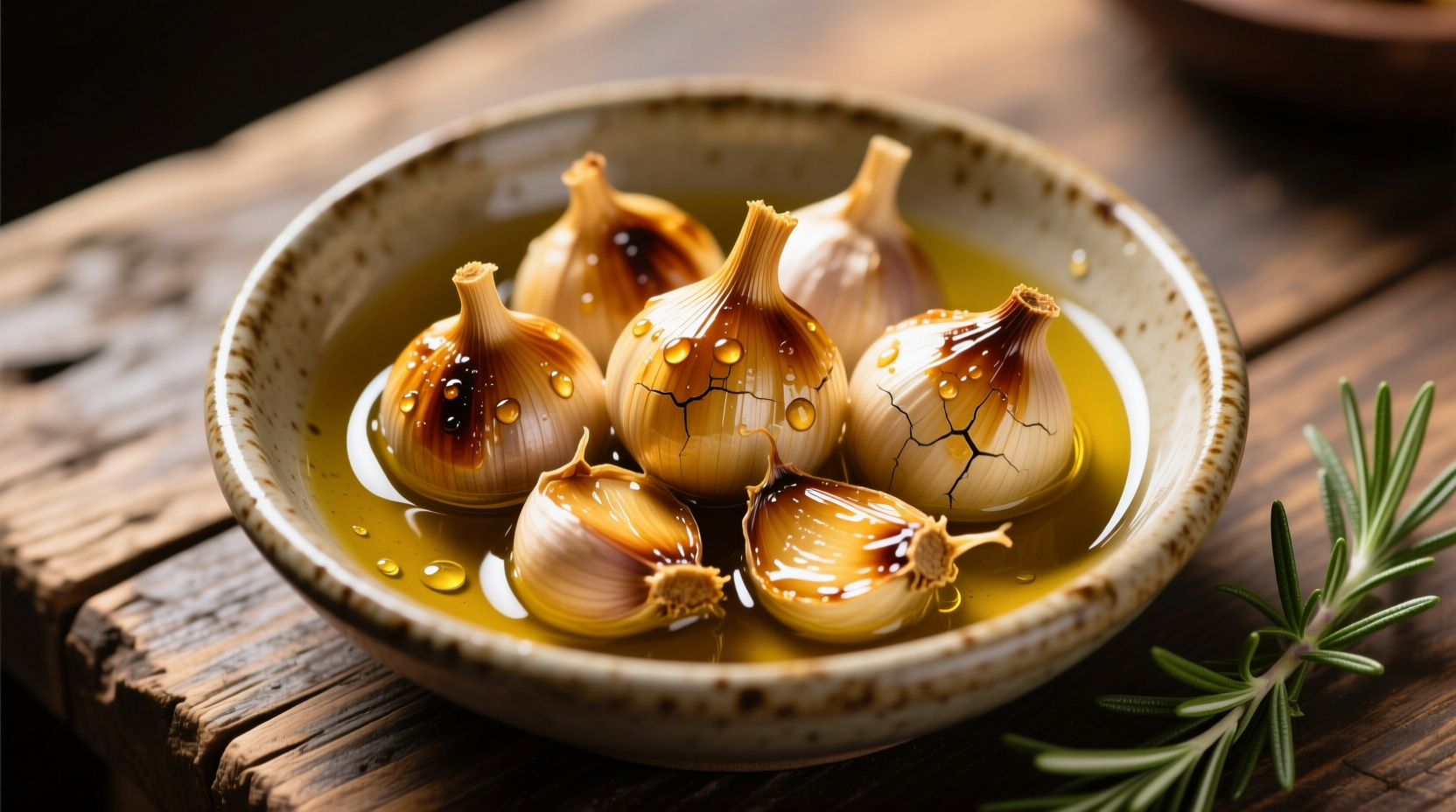
Step-by-Step: Crafting Perfect Roasted Garlic Clove Bread
Ingredient Selection Matters Most
Choose bread with open crumb structure like ciabatta or sourdough boule—dense sandwich bread can't properly accommodate the roasted garlic pockets. For garlic, select plump, firm cloves from fresh heads (avoid pre-peeled which often have compromised texture). Quality extra virgin olive oil makes a noticeable difference; a 2022 study by the USDA Agricultural Research Service confirmed that high-phenolic olive oils enhance garlic's antioxidant properties during roasting.
The Critical Roasting Phase
- Preheat oven to 400°F (200°C)
- Place unpeeled cloves in small ovenproof dish
- Cover completely with high-quality extra virgin olive oil
- Add sprig of fresh rosemary (optional but recommended)
- Roast 40-45 minutes until cloves yield softly to gentle pressure
- Cool completely before handling
Integration Technique That Prevents Soggy Bread
The professional trick most recipes omit: after roasting, squeeze softened cloves from their skins and pat dry with paper towels before incorporating. Excess oil creates soggy bread. Gently fold roasted cloves into softened butter (or olive oil for dairy-free version) using a pastry cutter technique—never blend completely, as visible garlic pockets create visual appeal and textural contrast.
When Roasted Garlic Bread Shines (and When to Choose Alternatives)
This preparation excels for sit-down meals where you want complex, developed flavors without overwhelming other dishes. It's ideal for Italian or Mediterranean dinners, holiday gatherings, or as an elegant appetizer. However, for quick weeknight meals where speed matters, traditional raw garlic bread may be more practical—roasting adds 45 minutes to preparation time. Food anthropology research from the University of Gastronomic Sciences shows roasted garlic bread gained popularity in American homes during the 1990s as home cooking became more technique-focused.
Three Flavor Variations Worth Trying
- Mediterranean Twist: Add chopped Kalamata olives and sun-dried tomatoes to the butter mixture
- Herb-Infused: Incorporate fresh thyme, oregano, and a touch of lemon zest
- Chef's Secret: Mix in 1 teaspoon of truffle salt for restaurant-quality sophistication
Serving and Storage Guidance
For optimal texture, bake immediately after assembling. If preparing ahead, store the roasted garlic butter mixture separately and assemble just before baking. Leftovers maintain quality for 3 days when wrapped in beeswax wrap (not plastic) and reheated in a 350°F oven for 8-10 minutes. Never refrigerate assembled bread—the moisture ruins the crust texture.




 浙公网安备
33010002000092号
浙公网安备
33010002000092号 浙B2-20120091-4