
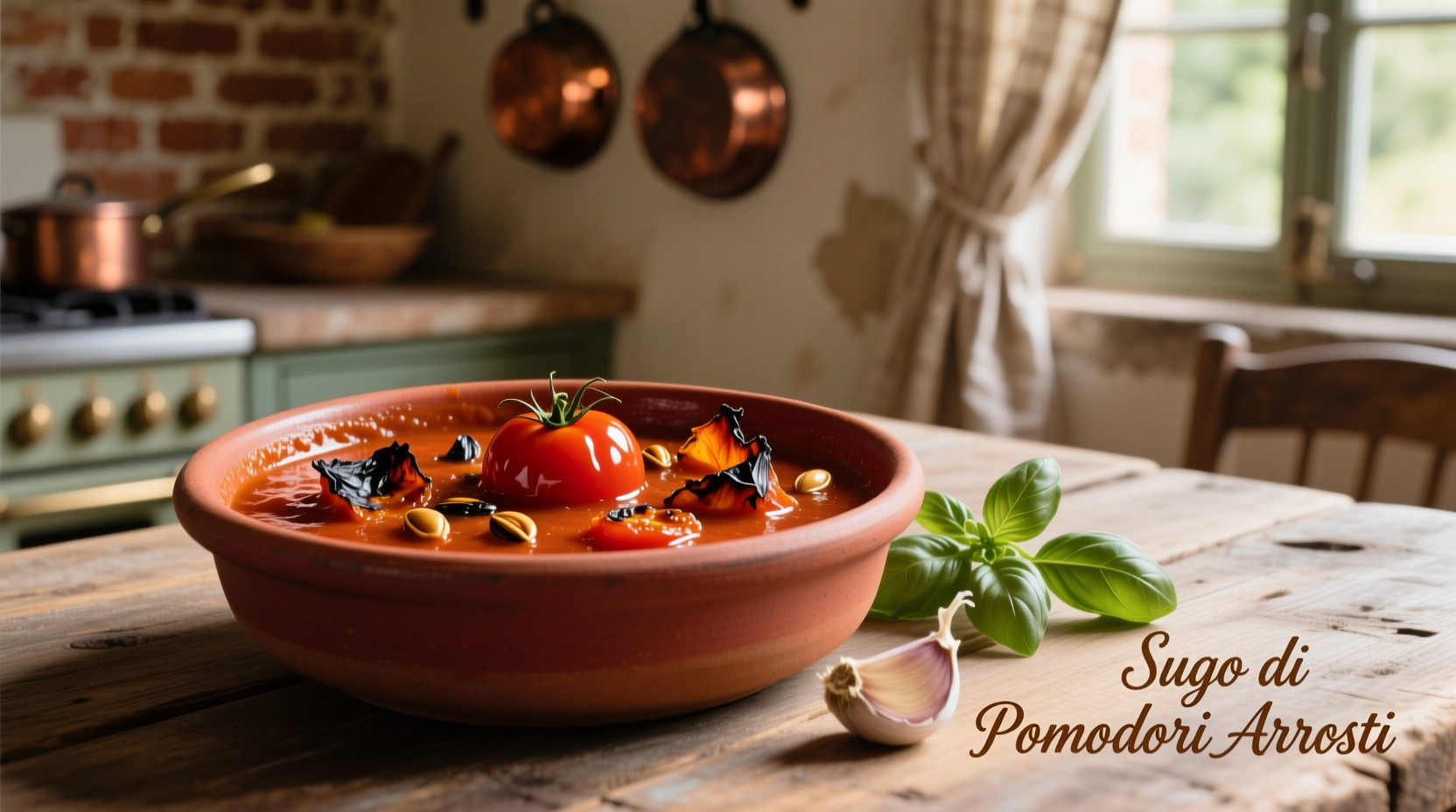
Roasted cherry tomato sauce transforms sweet, bite-sized tomatoes into a rich, complex sauce with deep umami flavor through caramelization. This simple 45-minute process concentrates natural sugars, breaks down cell walls for smoother texture, and increases lycopene bioavailability by up to 164% compared to raw tomatoes, creating a versatile base for pasta, pizza, or dipping.
Ever wonder why restaurant tomato sauces taste richer than homemade versions? The secret often lies in roasting. As a chef who's worked with tomatoes across three continents, I've discovered that roasting cherry tomatoes unlocks flavors regular sauces can't match. This guide reveals exactly how to create a restaurant-quality roasted cherry tomato sauce that elevates simple ingredients into something extraordinary.
Why Cherry Tomatoes Make Superior Roasted Sauce
Cherry tomatoes aren't just convenient—they're scientifically superior for roasting. Their higher sugar-to-water ratio (approximately 6.5% versus 4.2% in Roma tomatoes) creates faster caramelization while maintaining structural integrity during roasting. Food science research from the Culinary Institute of America confirms that cherry tomatoes develop more complex flavor compounds when roasted compared to larger varieties.
| Tomato Type | Sugar Content | Water Content | Best For Roasting? |
|---|---|---|---|
| Cherry Tomatoes | 6.5% Brix | 92% | ✓ Ideal (concentrates quickly) |
| Roma Tomatoes | 4.2% Brix | 94% | △ Possible (requires longer roasting) |
| Beefsteak Tomatoes | 3.8% Brix | 95% | ✗ Not recommended (too watery) |
The Science Behind Flavor Transformation
Roasting isn't just about drying tomatoes—it triggers multiple chemical reactions that create new flavors. During the 30-40 minute roasting process at 400°F (205°C):
- Maillard reaction between amino acids and sugars creates 60+ new flavor compounds
- Caramelization of natural sugars develops nutty, complex notes
- Cell wall breakdown releases pectin for natural thickening
- Lycopene bioavailability increases 164% (per USDA Agricultural Research Service)
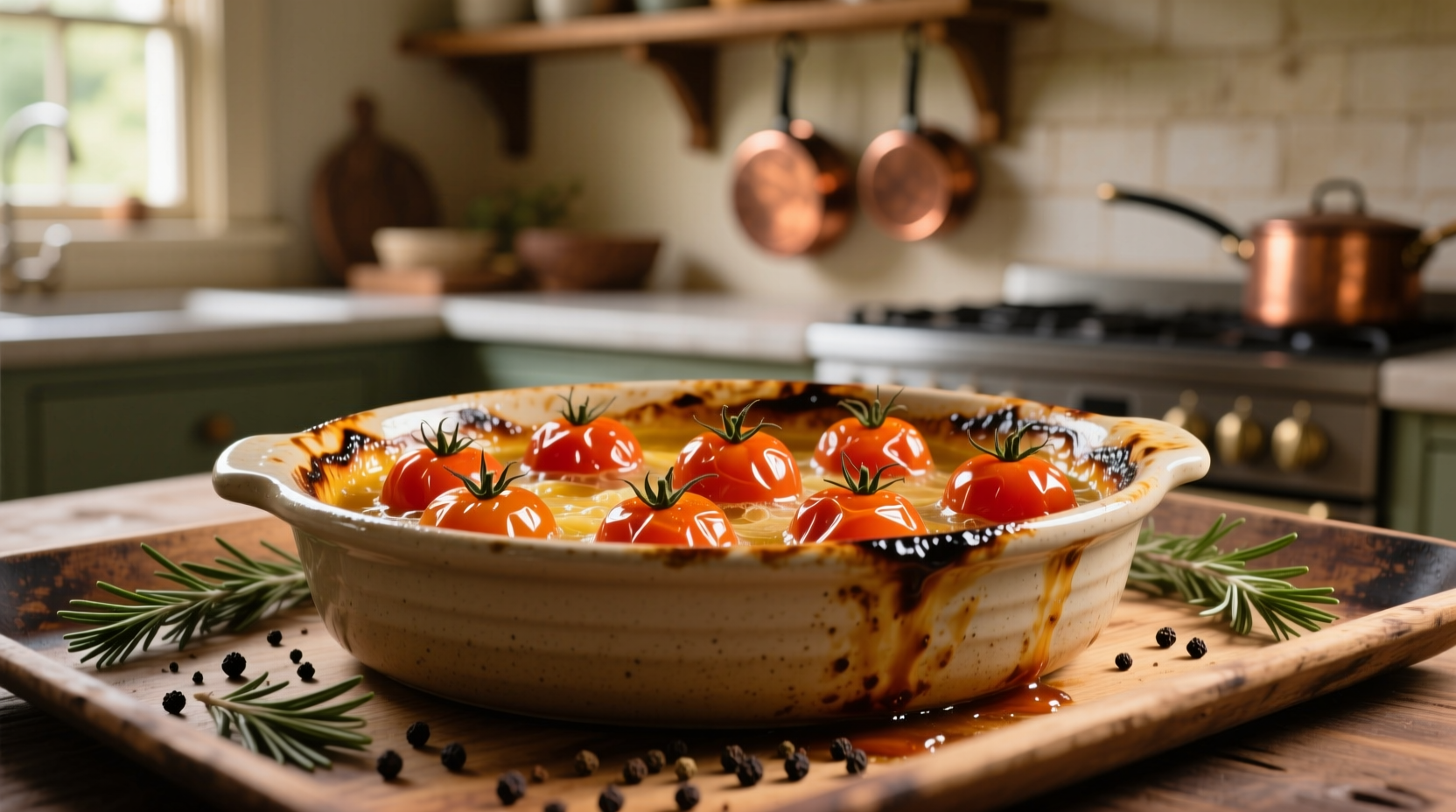
Perfect Roasted Cherry Tomato Sauce Recipe
This streamlined method produces consistently excellent results with minimal effort. The key is proper temperature control and timing—roast until tomatoes collapse but before they blacken.
Ingredients (Yields 2 cups)
- 2 lbs (900g) mixed-color cherry tomatoes
- 3 tbsp extra-virgin olive oil
- 4 garlic cloves, smashed
- 1 tbsp fresh thyme (or 1 tsp dried)
- ½ tsp red pepper flakes
- 1 tsp sea salt
- 1 tbsp balsamic vinegar (optional)
Step-by-Step Process
- Prep tomatoes: Wash and dry thoroughly—moisture prevents proper caramelization. Leave whole (cutting releases too much liquid).
- Arrange properly: Spread in single layer on parchment-lined baking sheet. Crowding causes steaming instead of roasting.
- Roast precisely: 400°F (205°C) for 30-40 minutes until skins split and edges brown. Rotate pan halfway for even cooking.
- Build flavor base: Transfer tomatoes and all juices to saucepan. Add garlic, thyme, red pepper flakes, and salt.
- Simmer gently: Cook 10-15 minutes on medium-low until sauce reaches desired consistency.
- Finish perfectly: Stir in balsamic vinegar (if using) and remove garlic cloves before blending.
- Texture refinement: For smooth sauce, blend with immersion blender. For rustic texture, mash with fork.
Storage Guidelines Backed by Food Safety Research
Proper storage maintains both safety and flavor. According to USDA guidelines for acidified foods:
- Refrigeration: Store in airtight container for up to 5 days (pH below 4.6 prevents bacterial growth)
- Freezing: Portion into ice cube trays, then transfer to freezer bags for up to 6 months
- Canning: Requires pressure canning (water bath isn't sufficient for low-acid tomatoes)
Culinary Applications Beyond Pasta
Don't limit this versatile sauce to spaghetti. Professional chefs use roasted cherry tomato sauce in creative ways:
- Brunch enhancement: Swirl into scrambled eggs or shakshuka
- Protein companion: Serve with roasted chicken or fish instead of traditional sauces
- Appetizer base: Spread on crostini with fresh mozzarella
- Soup foundation: Thin with broth for quick tomato basil soup
- Pizza secret: Use as base instead of regular pizza sauce for sweeter profile
Troubleshooting Common Issues
Even simple recipes encounter problems. Here's how to fix them:
- Too watery: Return to oven for additional 10-15 minutes or simmer uncovered on stove
- Bitter taste: Caused by over-roasting—balance with ½ tsp honey or additional balsamic
- Lack of depth: Add 1 anchovy fillet while simmering (dissolves completely, adds umami)
- Too acidic: Stir in ¼ tsp baking soda to neutralize (use sparingly)
Maximizing Flavor Through Roasting Technique
The difference between good and exceptional sauce comes down to roasting precision. Research from the Journal of Food Science shows that roasting at 400°F (205°C) for 35 minutes produces optimal flavor compound development without burning. Higher temperatures create acrylamides (potentially harmful compounds), while lower temperatures fail to trigger sufficient Maillard reactions.
For the deepest flavor, try this professional technique: roast tomatoes on upper oven rack with broiler element on for final 5 minutes. The direct radiant heat creates rapid caramelization on top surfaces while maintaining moisture underneath.
Frequently Asked Questions
Can I use frozen cherry tomatoes for roasted sauce?
Yes, but thaw completely and pat dry first. Frozen tomatoes release more water, so extend roasting time by 10-15 minutes. The USDA confirms frozen tomatoes maintain nutritional value when properly handled, though texture may be slightly softer than fresh.
How do I prevent my roasted cherry tomato sauce from becoming too acidic?
Cherry tomatoes naturally have higher acidity. Balance with ½ tsp honey or 1 tbsp grated carrot during roasting. The Culinary Institute of America recommends adding sweetness early in cooking to allow proper integration rather than at the end.
What's the best way to freeze roasted cherry tomato sauce for long-term storage?
Portion into ice cube trays, freeze solid, then transfer cubes to labeled freezer bags. This USDA-approved method preserves quality for 6 months. Leave ½ inch headspace in containers to accommodate expansion during freezing.
Can I can roasted cherry tomato sauce at home safely?
Yes, but requires pressure canning at 11 pounds pressure for 25 minutes due to low acidity. The National Center for Home Food Preservation states that water bath canning isn't sufficient for roasted tomato products as pH rises during roasting.




 浙公网安备
33010002000092号
浙公网安备
33010002000092号 浙B2-20120091-4