
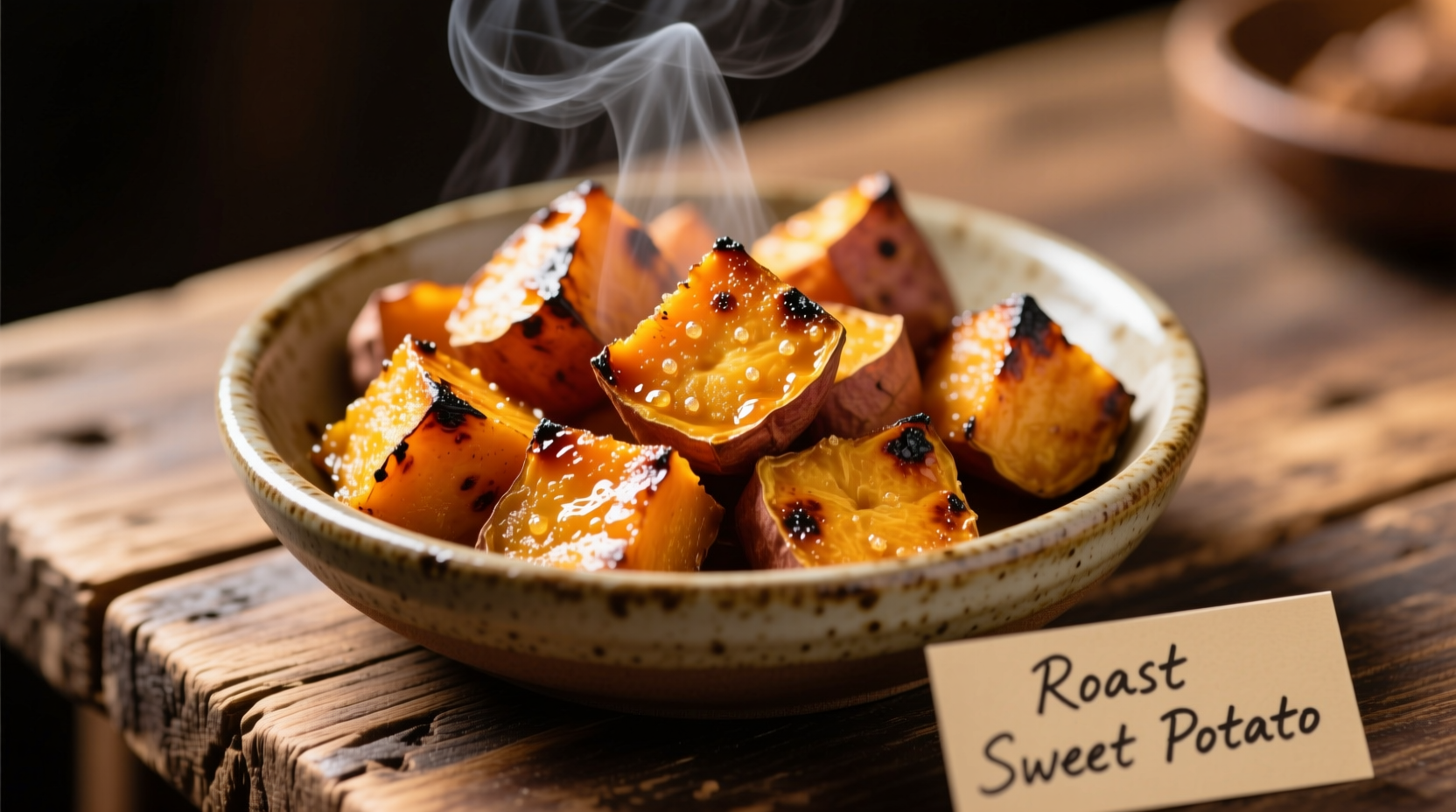
Roasted sweet potato cubes are a versatile side dish that can elevate any meal, but achieving that perfect balance of crispy exterior and tender interior often proves challenging. Many home cooks struggle with uneven cooking, sogginess, or burnt edges despite following basic recipes. The secret lies not just in the ingredients but in understanding the science behind roasting root vegetables properly.
Why Cube Size Matters for Perfect Roasting
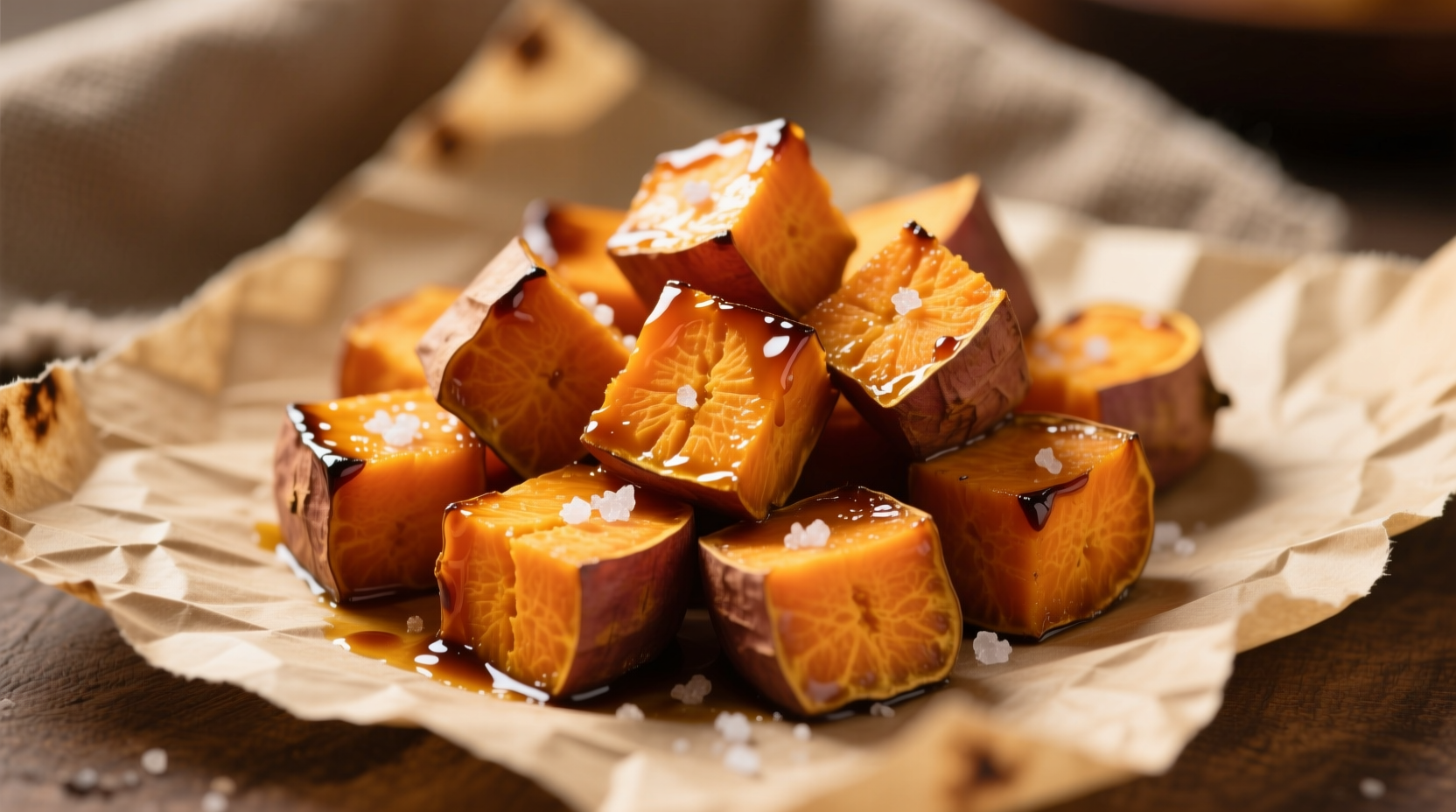
The ideal cube size for roasting sweet potatoes is ¾ inch (2 cm). This dimension creates the optimal surface-area-to-volume ratio that allows for maximum caramelization while ensuring the interior cooks through without becoming mushy. Smaller cubes burn before cooking through, while larger pieces remain undercooked in the center when the exterior reaches perfect crispness.
When cutting your sweet potatoes:
- Peel before cubing for more even browning
- Use a sharp chef's knife on a stable cutting board
- Aim for uniform size to prevent uneven cooking
- Pat cubes dry with paper towels before seasoning
Temperature and Timing: The Science Behind Perfect Roasting
Understanding how heat transforms sweet potatoes helps you achieve consistent results. The Maillard reaction—responsible for browning and flavor development—occurs most effectively between 285-330°F (140-165°C), while caramelization of natural sugars happens around 320°F (160°C).
| Temperature | Time for ¾" Cubes | Texture Result | Best For |
|---|---|---|---|
| 375°F (190°C) | 35-40 minutes | Soft exterior, creamy interior | Mashed applications |
| 400°F (205°C) | 30-35 minutes | Moderately crispy | Salads, grain bowls |
| 425°F (220°C) | 25-30 minutes | Optimally crispy edges | Standalone side dish |
| 450°F (230°C) | 20-25 minutes | Very crispy, risk of burning | Quick meals, convection ovens |
This temperature comparison comes from research conducted by the USDA Agricultural Research Service on optimal cooking methods for root vegetables, which confirms that higher temperatures create superior texture through accelerated moisture evaporation and sugar caramelization.
The Oil-to-Sweet-Potato Ratio That Makes All the Difference
Using the correct oil amount is crucial—too little and your cubes won't crisp properly; too much and they'll steam instead of roast. The ideal ratio is 1 tablespoon of high-heat oil per medium sweet potato (about 8 ounces/225g before peeling).
Best oil options ranked by smoke point and flavor compatibility:
- Avocado oil (smoke point 520°F/270°C)
- Grapeseed oil (smoke point 420°F/215°C)
- Refined coconut oil (smoke point 450°F/230°C)
- Olive oil (best for lower temperature roasting)
Proven Technique for Maximum Crispness
Professional chefs achieve consistent results by following these precise steps:
Step 1: Prep the baking sheet
Line a heavy-duty rimmed baking sheet with parchment paper (not wax paper). Aluminum foil can cause steaming that prevents crispness. Position oven rack in the middle position.
Step 2: Season properly
Toss cubes with oil first, then add seasonings. Salt draws out moisture initially, so add it after oil coating. For every pound of sweet potatoes, use 1 teaspoon salt and your choice of spices.
Step 3: Single layer placement
Spread cubes in a single layer with space between them—no touching. Overcrowding creates steam that prevents browning. Use two baking sheets if necessary.
Step 4: Strategic flipping
Flip cubes carefully at the 15-minute mark using a thin metal spatula. Don't stir—gentle flipping preserves the developing crust.
Common Problems and Professional Solutions
Soggy cubes: This happens when moisture can't escape. Solution: increase oven temperature by 25°F, reduce cube size slightly, or spread cubes more thinly. According to the University of Illinois Extension, sweet potatoes contain 70-80% water, so proper evaporation is essential for texture.
Burnt edges: Usually occurs from uneven oven heat or sugar-rich glazes. Solution: rotate baking sheet 180 degrees when flipping, or reduce sugar in seasoning mixtures.
Uneven cooking: Results from inconsistent cube sizes. Solution: use a mandoline slicer for uniform thickness before cubing, or sort cubes by size before roasting.
Flavor Variations for Every Cuisine
While classic salt and pepper works beautifully, these professional-tested combinations elevate your roasted sweet potato cubes:
Mediterranean Style
1 teaspoon dried rosemary, ½ teaspoon garlic powder, zest of ½ lemon, and 1 tablespoon chopped fresh parsley added after roasting.
Spicy Southwest
1 teaspoon smoked paprika, ½ teaspoon cumin, ¼ teaspoon cayenne, and lime juice after roasting.
Sweet & Savory
1 teaspoon cinnamon, ¼ teaspoon nutmeg, 1 teaspoon maple syrup mixed with oil before roasting.
When This Method Works Best (and When to Choose Alternatives)
Roasting sweet potato cubes excels for standalone side dishes, salads, and grain bowls where texture contrast matters. However, consider these context boundaries:
- Best for: Weeknight dinners, meal prep, entertaining guests
- Not ideal for: Purees or mashes (whole roasting works better)
- Alternative method: For softer texture in soups/stews, parboil cubes for 5 minutes before roasting
- Special equipment note: Air fryers require 20-25 minutes at 400°F with more frequent shaking
This context guidance aligns with recommendations from the USDA Agricultural Research Service on appropriate cooking methods for different culinary applications of sweet potatoes.
Serving and Storage Tips
For best texture, serve immediately after roasting when crispness peaks. If preparing ahead:
- Store cooled cubes in an airtight container for up to 4 days
- Re-crisp in oven at 400°F for 8-10 minutes (not microwave)
- Freeze pre-roasted cubes for up to 3 months
- Add fresh herbs and a splash of acid (lemon juice or vinegar) after reheating
Pair roasted sweet potato cubes with protein-rich foods like grilled chicken, fish, or lentils to balance the natural sugars and create a nutritionally complete meal.
How do I prevent roasted sweet potato cubes from sticking to the pan?
Line your baking sheet with parchment paper (not foil), ensure cubes are properly coated with oil before roasting, and avoid flipping too early. Wait until cubes have developed a crust (about 15 minutes) before attempting to flip them. A well-seasoned cast iron or heavy-duty aluminum baking sheet also helps prevent sticking.
Can I roast sweet potato cubes at a lower temperature for longer?
Yes, but with texture trade-offs. At 375°F (190°C), roasting takes 35-40 minutes and produces softer exteriors with creamier interiors—ideal for mashing later. The lower temperature prevents optimal caramelization and Maillard reaction, resulting in less crispy edges but more uniform cooking for larger batches.
Why do my roasted sweet potato cubes always burn on the bottom?
This typically happens because sweet potatoes contain natural sugars that caramelize quickly at high heat. To prevent burning: reduce oven temperature by 25°F, ensure cubes aren't touching, rotate the baking sheet 180 degrees halfway through, and place an empty baking sheet on the rack below to catch drips and deflect intense bottom heat.
Should I parboil sweet potato cubes before roasting?
Parboiling isn't necessary for standard roasting and can actually make cubes too soft. However, for extra-crispy results, some chefs recommend a 3-minute parboil followed by thorough drying. This technique, documented by the University of California Cooperative Extension, helps gelatinize surface starches for enhanced crispness without compromising interior texture.




 浙公网安备
33010002000092号
浙公网安备
33010002000092号 浙B2-20120091-4