
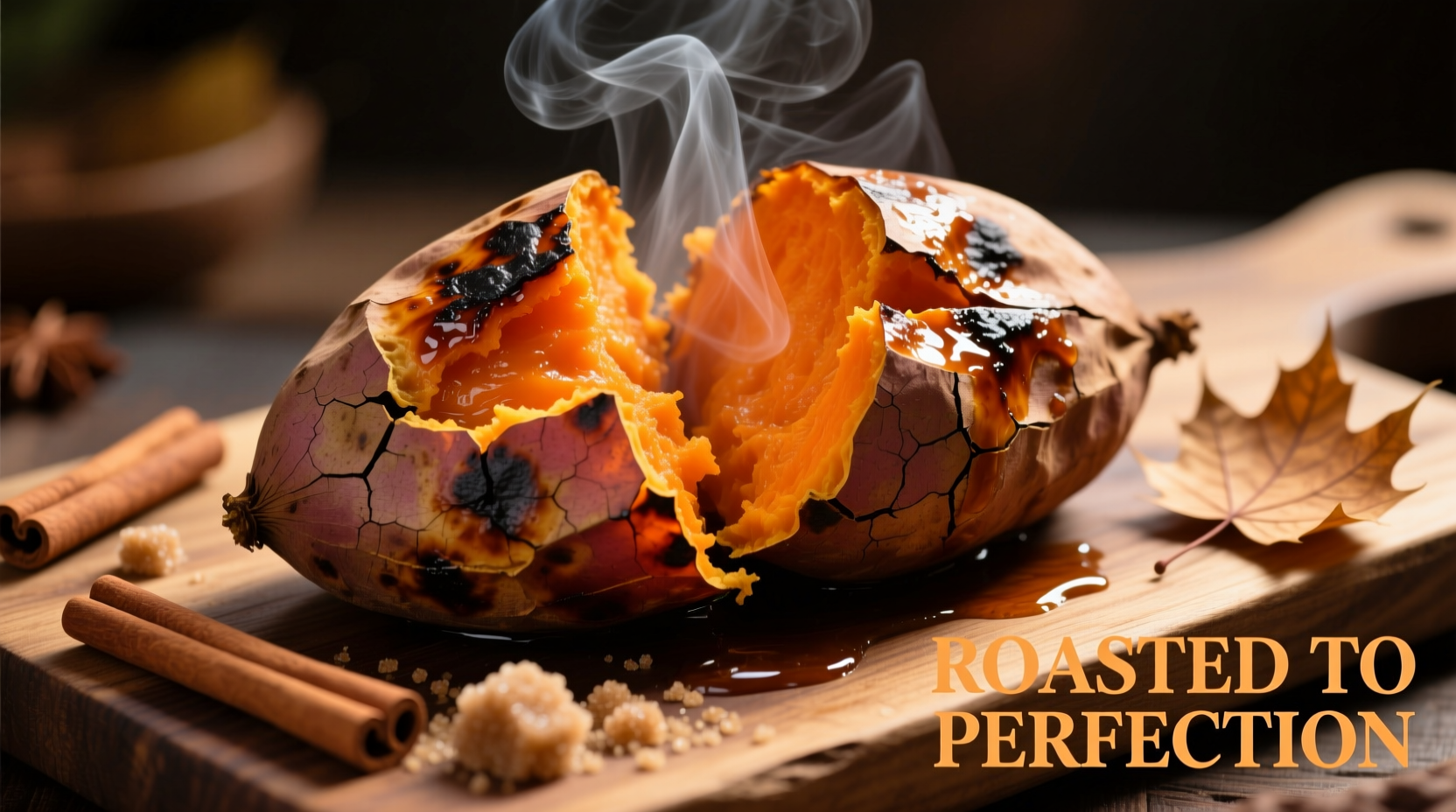
Roasting sweet potatoes transforms this humble root vegetable into a culinary delight through the magic of caramelization. Unlike boiling or steaming, roasting concentrates natural sugars while creating that irresistible contrast between crispy exteriors and melt-in-your-mouth interiors. Professional chefs and home cooks alike prefer roasting for its hands-off approach and superior flavor development.
The Science Behind Perfectly Roasted Sweet Potatoes
When sweet potatoes roast at high temperatures, the Maillard reaction and caramelization work together to create complex flavors. The natural sugars (primarily sucrose) break down and recombine, producing hundreds of new flavor compounds. According to research from the USDA Agricultural Research Service, sweet potatoes contain approximately 4.2% sucrose by weight, which explains their exceptional roasting potential compared to regular potatoes.
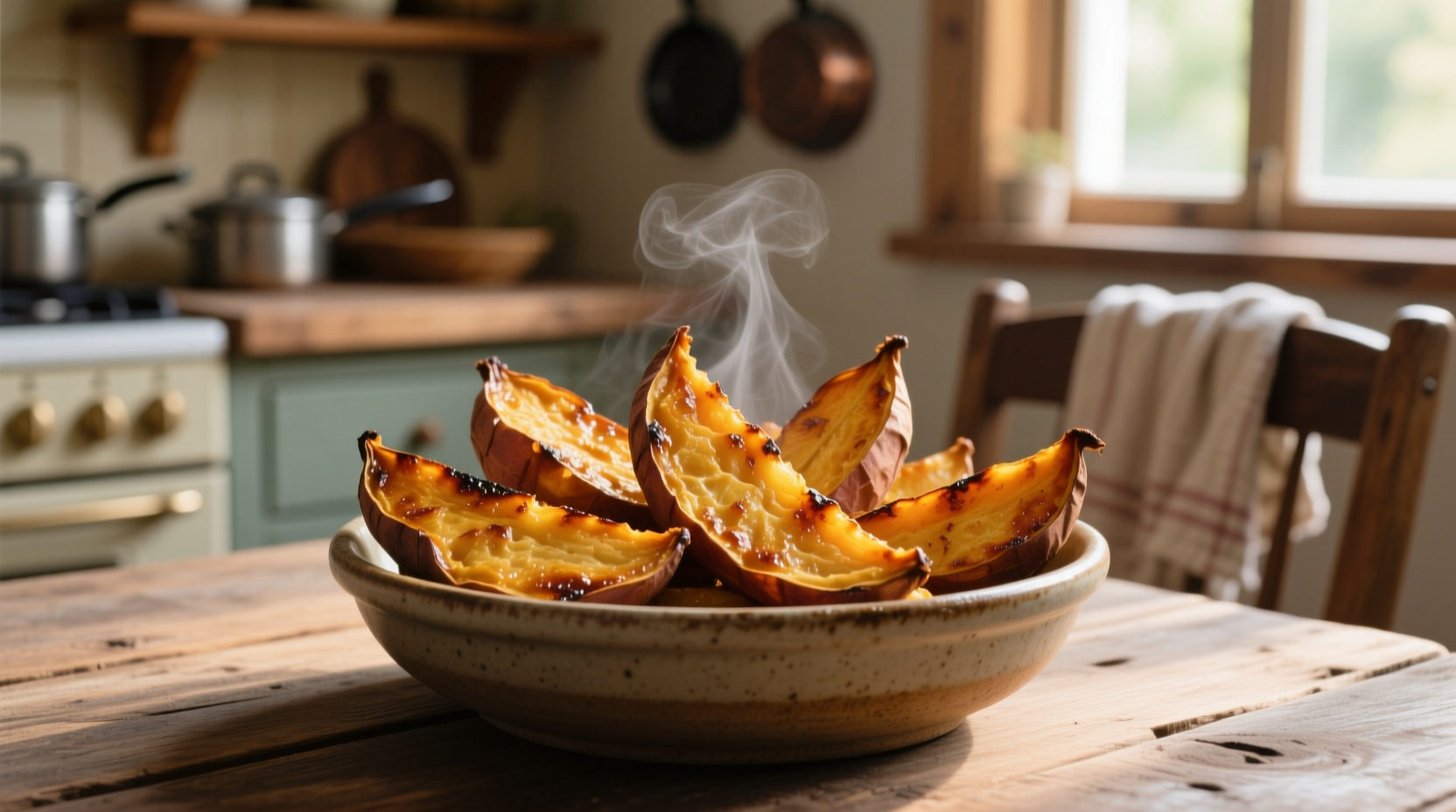
Roasting vs. Other Cooking Methods: A Professional Comparison
| Cooking Method | Time Required | Texture Result | Flavor Development | Nutrient Retention |
|---|---|---|---|---|
| Roasting (400°F) | 40-50 minutes | Crispy exterior, tender interior | Excellent caramelization, complex flavors | High (minimal water contact) |
| Baking (whole) | 60-75 minutes | Evenly soft throughout | Milder sweetness | Moderate |
| Boiling | 20-30 minutes | Uniformly soft | Watered-down flavor | Low (nutrients leach into water) |
| Steaming | 25-35 minutes | Firm but tender | Pure sweet potato flavor | High |
Your Step-by-Step Roasting Guide
Preparation Essentials
Cut sweet potatoes into uniform 1-inch cubes or 1/2-inch thick wedges for even cooking. The U.S. Food and Drug Administration recommends washing produce thoroughly under running water before preparation. Pat pieces completely dry with paper towels—moisture is the enemy of crispiness.
Perfect Seasoning Technique
Toss sweet potatoes with 1-2 tablespoons of high smoke-point oil (avocado or grapeseed) per pound. Add salt immediately to help draw out moisture. For maximum flavor, incorporate spices after roasting—heat degrades delicate compounds in many spices. This professional technique preserves volatile aromatic compounds that would otherwise evaporate during cooking.
Optimal Roasting Conditions
Spread sweet potatoes in a single layer on a parchment-lined baking sheet with space between pieces. Crowding causes steaming rather than roasting. Roast at 400°F (204°C) for 40-50 minutes, flipping halfway through. The internal temperature should reach 205°F (96°C) for ideal texture—this precise temperature ensures maximum starch conversion to sugars without burning.
Avoid These Common Roasting Mistakes
Many home cooks struggle with soggy roasted sweet potatoes. This typically happens when:
- Using too much oil (creates steam)
- Cutting pieces too large (uneven cooking)
- Not preheating the baking sheet (critical for immediate searing)
- Overcrowding the pan (traps moisture)
For restaurant-quality results, place your baking sheet on the lowest oven rack for the first 20 minutes, then move to center rack. This technique leverages radiant heat from below for superior browning.
Nutritional Benefits of Properly Roasted Sweet Potatoes
Roasting preserves more nutrients than boiling. According to USDA FoodData Central, a medium roasted sweet potato (130g) provides:
- 103% of your daily vitamin A needs
- 37% of vitamin C
- 27% of manganese
- 4g of dietary fiber
The fat-soluble beta-carotene in sweet potatoes becomes more bioavailable when cooked with a small amount of healthy fat—a perfect reason to use that tablespoon of oil in your roasting process.
Flavor Variations for Every Palate
After roasting, elevate your sweet potatoes with these finishing touches:
- Savory option: Toss with fresh rosemary, black pepper, and a squeeze of lime
- Sweet option: Drizzle with pure maple syrup and sprinkle with toasted pecans
- Spicy option: Toss with smoked paprika and cayenne before serving
- Mediterranean option: Top with crumbled feta and fresh mint
Remember that seasoning after roasting preserves delicate flavor compounds that would otherwise degrade in high heat. This professional technique maximizes flavor impact.
Storage and Reheating for Perfect Texture
Store leftovers in an airtight container in the refrigerator for up to 5 days. To restore crispiness when reheating:
- Spread on a baking sheet
- Heat in a 400°F oven for 8-10 minutes
- Avoid microwaving, which creates sogginess
For meal prep, roast sweet potatoes without seasoning, then add fresh flavors when serving. This maintains texture quality throughout the week.
When Roasting Isn't the Best Option
While roasting produces superior flavor, consider these context boundaries:
- Time constraints: When you need sweet potatoes in under 20 minutes, steaming is faster
- Texture preference: For completely uniform softness (as in baby food), boiling works better
- Large quantities: For feeding crowds, baking whole sweet potatoes is more practical
- Nutrient focus: When maximizing vitamin C retention is critical, steaming preserves more than roasting
Sweet Potato Cultivation Timeline
Sweet potatoes have a rich history that influences their flavor profile today:
- 5,000 years ago: First cultivated in Central and South America
- 15th century: Introduced to Europe by Spanish explorers
- 18th century: Became staple crop in American colonies
- 1930s: Orange-fleshed varieties developed in the U.S. (marketed as “yams”)
- Today: North Carolina produces 60% of U.S. sweet potatoes, with over 400 varieties worldwide
This historical context explains why certain varieties (like Garnet or Jewel) roast better than others—their higher sugar content developed through centuries of selective breeding.




 浙公网安备
33010002000092号
浙公网安备
33010002000092号 浙B2-20120091-4