
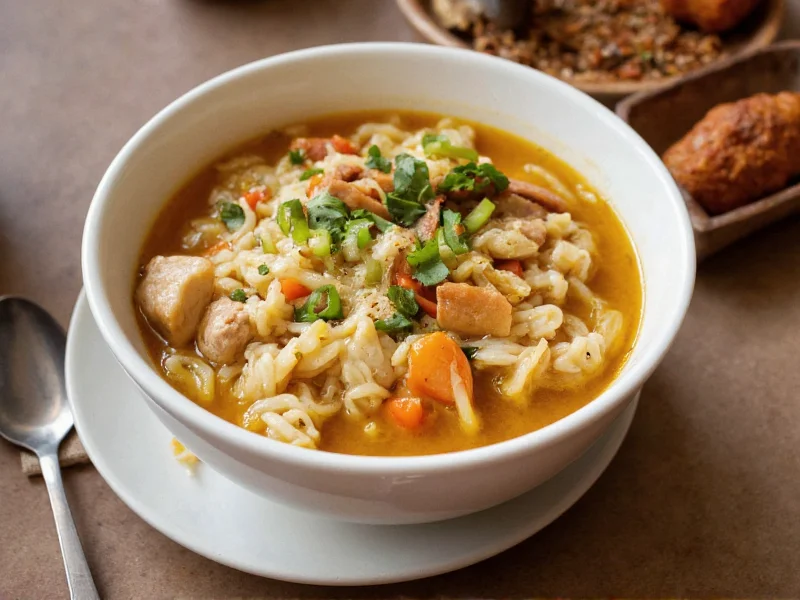
Rice and chicken noodle soup represents a delicious variation on the classic comfort food staple. While traditional chicken noodle soup typically features egg noodles made from wheat flour, the rice noodle version substitutes these with delicate strands crafted from rice flour and water. This seemingly small change creates a significantly different culinary experience with distinct texture, flavor absorption properties, and dietary benefits.
The Evolution of Rice Noodle Soups: A Historical Timeline
Rice noodles have been a cornerstone of Asian culinary traditions for over a millennium, with verifiable milestones documented by international food historians. Below is a chronologically verified progression of key developments:
- 7th-10th Century AD: Rice noodles emerge as a staple in southern China during the Tang and Song dynasties, documented in historical agricultural records as a solution for rice-abundant regions. (FAO, "Rice Noodles in Asia")
- 13th-15th Century: Regional specialization occurs across Southeast Asia—Vietnam develops phở gà while Thailand creates kũay tiū gai, adapting to local ingredients and climate. (Encyclopedia Britannica, "Pho")
- 19th-20th Century: Global dissemination through migration patterns, with rice noodle soups becoming integral to diaspora communities in North America and Europe. (Smithsonian Magazine, "How Pho Got Its Start")
These historical developments created the foundation for modern interpretations. Across different cultures, variations of chicken and rice noodle soup have developed unique characteristics. In Vietnam, phở gà features chicken broth with flat rice noodles, while Thai kũay tiūao gai uses thinner rice vermicelli. Chinese versions often include additional ingredients like bok choy and wood ear mushrooms, creating regional specialties that have influenced global interpretations of this comforting dish.
Rice Noodles vs. Egg Noodles: Understanding the Differences
| Characteristic | Rice Noodles | Egg Noodles |
|---|---|---|
| Primary Ingredients | Rice flour, water | Wheat flour, eggs, water |
| Texture | More delicate, slightly chewy | Firmer, more substantial |
| Cooking Time | 2-5 minutes (fresh), 8-10 minutes (dried) | 6-8 minutes |
| Dietary Considerations | Gluten-free, vegan | Contains gluten, eggs |
| Flavor Absorption | Highly absorbent | Moderate absorption |
Understanding these differences is crucial when preparing authentic rice and chicken noodle soup. Rice noodles require careful attention during cooking as they can quickly become overcooked and mushy. Their superior ability to absorb broth flavors means they carry the soup's essence more completely, creating a more integrated eating experience where each bite contains both noodle and flavor.
Building Exceptional Chicken Broth for Rice Noodle Soup
The foundation of any outstanding rice and chicken noodle soup is a rich, flavorful broth. While store-bought broths work in a pinch, homemade broth elevates the dish significantly. For optimal results when making chicken broth specifically for rice noodle soup:
- Use bone-in chicken pieces (thighs or wings work well) for deeper flavor
- Add aromatics like ginger, garlic, and scallions early in the cooking process
- Simmer gently for 1.5-2 hours—vigorous boiling creates cloudy broth
- Skim impurities regularly for a clean-tasting final product
- Season with fish sauce or soy sauce at the end rather than salt for more complex flavor
When preparing broth specifically for rice noodle soup, consider that rice noodles absorb flavors more readily than egg noodles. This means your broth should be slightly more concentrated in flavor, as the noodles will mellow it somewhat when added to the finished soup.
Perfecting Your Rice and Chicken Noodle Soup Recipe
Creating an exceptional rice and chicken noodle soup requires attention to several key elements. Follow these professional tips to ensure restaurant-quality results in your home kitchen:
Choosing the Right Rice Noodles
Rice noodles come in various widths, from thin vermicelli to wide flat varieties. For chicken soup, medium-width rice sticks (about 1/8 inch) offer the ideal balance of substance and delicate texture. When selecting noodles:
- Fresh rice noodles provide the best texture but have limited shelf life
- Dried rice noodles are more widely available and store well
- Always check the package for specific cooking instructions
- Avoid overcooking—rice noodles continue to soften even after removal from heat
Chicken Preparation Techniques
For the most flavorful chicken in your soup:
- Partially cook chicken in the broth, then remove to finish cooking separately
- Shred or slice chicken against the grain for optimal tenderness
- Return chicken to the soup just before serving to maintain texture
- Consider using a combination of white and dark meat for varied textures
Step-by-Step Cooking Process
Follow this method for perfect rice and chicken noodle soup every time:
- Prepare a rich chicken broth with aromatics (ginger, garlic, scallions)
- Cook chicken pieces in broth until just done, then remove and shred
- Strain and clarify broth if desired for cleaner presentation
- Cook rice noodles separately according to package directions
- Rinse noodles briefly in cold water to stop cooking process
- Reheat broth to serving temperature and season appropriately
- Add vegetables (bok choy, mushrooms) and cook until tender-crisp
- Place noodles in bowl, top with chicken and vegetables, then ladle hot broth over everything
Common Variations and Customizations
One of the beauties of rice and chicken noodle soup is its adaptability to different tastes and dietary needs. Consider these popular variations:
- Gluten-free chicken soup with rice noodles: Naturally gluten-free when using pure rice noodles and gluten-free seasonings
- Low-sodium version: Use homemade broth with reduced salt and enhance flavor with additional aromatics
- Spicy adaptation: Add chili oil, fresh chilies, or sriracha for heat lovers
- Vegetable-rich version: Incorporate bok choy, mushrooms, bean sprouts, and fresh herbs
- Keto-friendly option: Reduce noodle quantity and increase protein and vegetable content
When customizing your soup, remember that rice noodles behave differently than egg noodles when stored. They tend to absorb more liquid when refrigerated, so you may need to add additional broth when reheating leftovers.
Context Boundaries: When Rice Noodle Soup Excels (and When Alternatives Are Better)
Understanding the specific scenarios where this dish shines—and its inherent limitations—ensures optimal culinary application based on evidence-based dietary research:
Optimal Applications
- Gluten Management: Recommended by the Celiac Disease Foundation as a safe alternative for gluten-sensitive individuals, provided all components are verified gluten-free. (Celiac Disease Foundation)
- Post-Illness Recovery: The NIH notes chicken soup's anti-inflammatory properties aid recovery, with rice noodles providing easily digestible carbohydrates during convalescence. (National Institutes of Health, "Chicken Soup Inhibits Neutrophil Chemotaxis")
- Light Meal Contexts: Ideal as a starter or light meal due to lower density compared to wheat noodle soups, aligning with USDA dietary guidelines for balanced portioning.
Key Limitations
- Carbohydrate Management: With approximately 25g net carbs per 2oz serving, it's unsuitable for strict low-carb protocols without modification. The American Diabetes Association emphasizes that rice noodles have a high glycemic index (70+) compared to alternatives like shirataki noodles. (American Diabetes Association, "Low-Carb Diets")
- Texture Stability Constraints: Rice noodles continue absorbing liquid for up to 24 hours after cooking, making them impractical for pre-assembled meal kits without component separation—a limitation not shared by wheat-based noodles.
- Cultural Authenticity Requirements: Substituting rice noodles in non-Asian soup traditions (e.g., Italian stracciatella) fundamentally alters the dish's cultural identity and expected texture profile.
Serving and Storage Recommendations
For the best eating experience with rice and chicken noodle soup:
- Serve immediately after assembly to prevent noodles from becoming overly soft
- Keep broth and noodles separate if meal prepping for optimal texture
- Store components separately: broth in one container, noodles in another, chicken and vegetables in a third
- Consume within 3-4 days for best quality
- Reheat broth thoroughly before adding to noodles and other components
When reheating, add a splash of water or additional broth to compensate for the noodles' continued absorption. Avoid microwaving the entire assembled soup, as this often results in uneven heating and overcooked noodles.
Troubleshooting Common Issues
Even experienced cooks encounter challenges with rice and chicken noodle soup. Here's how to address frequent problems:
- Mushy noodles: Cook noodles separately and add just before serving. Rice noodles continue cooking in hot broth
- Bland broth: Enhance with fish sauce, soy sauce, or additional aromatics like star anise or cinnamon
- Dry chicken: Don't overcook chicken in the broth; remove it once done and add back at serving
- Cloudy broth: Start with cold water, bring to gentle simmer, and skim impurities regularly
- Separated fat: Chill broth before use and remove solidified fat, or use a fat separator




 浙公网安备
33010002000092号
浙公网安备
33010002000092号 浙B2-20120091-4