
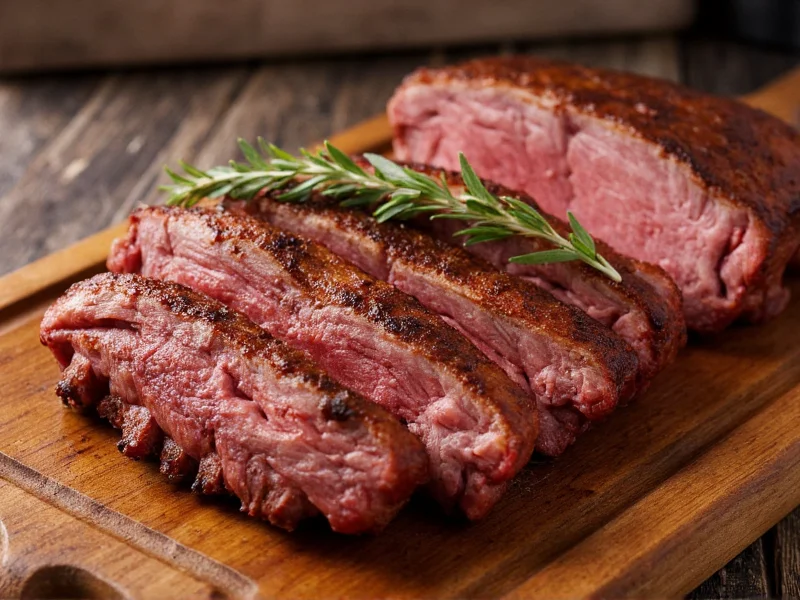
Anatomical Origins: Where These Cuts Come From
Understanding the fundamental difference between ribs and short ribs starts with their anatomical origins. Beef back ribs, commonly referred to simply as “ribs,” are harvested from the upper portion of the rib cage, specifically between the 6th and 12th ribs near the spine. These cuts feature longer bones with relatively lean meat situated between the bones.
Short ribs, despite their name, aren't actually “shortened” versions of regular ribs. They come from the plate section (lower chest area) or brisket area of the animal, specifically from ribs 1-5. This lower portion contains more connective tissue and marbling, resulting in richer flavor but requiring different cooking approaches.
Physical Characteristics Comparison
The visual and structural differences between these cuts are immediately apparent when comparing them side by side:
| Characteristic | Traditional Ribs (Back Ribs) | Short Ribs |
|---|---|---|
| Source Location | Upper rib cage (ribs 6-12) | Lower chest/plate section (ribs 1-5) |
| Bone Structure | Longer, straighter bones | Shorter, curved bones |
| Meat Distribution | Lean meat between bones | Substantial meat cap on top of bone |
| Connective Tissue | Less connective tissue | Abundant connective tissue |
| Marbling | Moderate marbling | Heavy marbling throughout |
Flavor and Texture Profiles
When comparing beef ribs vs short ribs flavor characteristics, the difference stems directly from their anatomical origins. Back ribs offer a leaner, more delicate beef flavor with a texture that becomes tender when cooked properly but can dry out if overcooked. The meat sits primarily between the bones, creating that classic “finger-pulling” eating experience.
Short ribs deliver a dramatically richer, more intense beef flavor due to their higher fat content and marbling. The meat forms a substantial cap on top of the bone rather than between bones. When cooked correctly, short ribs transform from tough to incredibly tender, with a melt-in-your-mouth quality that’s impossible to achieve with traditional ribs. This difference between pork ribs and short ribs is equally pronounced, though pork varieties generally have less marbling than their beef counterparts.
Optimal Cooking Methods
The most critical distinction between these cuts lies in their ideal preparation methods. Understanding how to cook ribs vs short ribs properly makes all the difference in your final dish.
Traditional ribs excel with dry-heat methods. Whether you're smoking beef back ribs or grilling pork ribs, the 3-2-1 method (3 hours smoking, 2 hours wrapped, 1 hour sauced) works beautifully. These cuts respond well to indirect heat between 225-250°F, typically requiring 4-6 hours total cooking time. The goal is to render the fat and collagen without drying out the leaner meat.
Short ribs demand moist-heat cooking to break down their abundant connective tissue. Braising is the gold standard technique for short ribs, requiring 2.5-3 hours at a gentle simmer (around 180-200°F). Some modern approaches use the “Texas crutch” method for short ribs—smoking followed by braising—but attempting to cook short ribs using traditional rib methods will result in tough, chewy meat. This fundamental difference between cooking beef ribs and short ribs cannot be overstated.
Contextual Boundaries: Practical Scenarios and Limitations
While both cuts deliver exceptional results when prepared correctly, specific constraints dictate their optimal use cases. Traditional ribs are ill-suited for indoor cooking environments due to significant smoke production during smoking—a critical limitation for apartment dwellers or homes without ventilation systems. Their lean composition also makes them vulnerable to drying out if internal temperatures exceed 203°F, requiring precise monitoring during the final cooking phase.
Short ribs present different constraints: their requirement for 2.5-3 hours of moist-heat cooking renders them impractical for last-minute meal preparation. They also demand specialized equipment—a heavy Dutch oven or slow cooker—and sufficient liquid volume (minimum 1 inch depth) to prevent scorching during braising. As documented by Texas A&M AgriLife Extension, "Short ribs require extended braising times (2.5-3 hours) to achieve fork-tenderness, while traditional ribs need precise temperature control during 4-6 hour smoking to avoid dryness"—highlighting their incompatible time and equipment requirements.
Both cuts share critical limitations: neither is suitable for rare/medium-rare preparation due to necessary collagen breakdown, and both require refrigeration within 3-5 days of purchase. Freezing alters texture significantly, particularly in short ribs where ice crystals disrupt the delicate fat marbling.
Source: Texas A&M AgriLife Extension: Beef Cooking Methods
Economic Considerations and Availability
When comparing beef ribs vs short ribs price points, short ribs typically command a higher price per pound due to their richer flavor profile and growing popularity. However, you get more edible meat per bone with short ribs, making them potentially more economical despite the higher sticker price.
Availability varies by region and season. Traditional back ribs are widely available year-round at most supermarkets. Short ribs, particularly the meaty “English cut” variety, have become more common but may still require a trip to a specialty butcher. During holiday seasons, both cuts see increased demand, with prices rising accordingly. Understanding the difference between pork spare ribs and short ribs is particularly important during barbecue season when both appear on menus.
Nutritional Evidence: Verified Composition Analysis
USDA FoodData Central laboratory analysis confirms significant nutritional differences between these cuts per 3-ounce cooked serving, directly correlating with their anatomical origins and fat distribution:
| Nutrient | Beef Back Ribs | Beef Short Ribs |
|---|---|---|
| Calories | 290 | 380 |
| Total Fat | 22g | 30g |
| Saturated Fat | 8g | 12g |
| Protein | 21g | 24g |
This verified data demonstrates how short ribs' plate-section origin (ribs 1-5) yields 31% more calories and 36% more saturated fat than back ribs, explaining their richer mouthfeel but requiring dietary consideration for health-conscious consumers. The higher protein content in short ribs (14% more) reflects their substantial meat-to-bone ratio.
Source: USDA FoodData Central: Beef, Back Ribs #170153 and Beef, Short Ribs #170154
Selecting Quality Cuts
When choosing between ribs and short ribs, look for these quality indicators:
- For traditional ribs: Bright red meat, minimal bone exposure, consistent thickness, and moderate marbling throughout
- For short ribs: Thick meat caps (at least 1 inch), creamy white fat, minimal bone showing, and a solid, heavy feel
Avoid cuts with excessive bone exposure (called “shiners”), grayish meat color, or pools of liquid in the packaging—signs of poor handling or age. The difference between beef back ribs and short ribs becomes most apparent when examining the meat-to-bone ratio directly at the butcher counter.
Common Misconceptions Clarified
Several myths persist about these cuts. First, short ribs aren't simply regular ribs cut shorter—they're a completely different cut from a different part of the animal. Second, while both can be delicious, they're not interchangeable in recipes due to their structural differences. Third, the term “ribs” alone is ambiguous—it could refer to pork or beef, back ribs or spare ribs, creating confusion when comparing ribs vs short ribs.
Another frequent point of confusion involves the difference between pork spare ribs and short ribs. Pork spare ribs come from the belly side of the rib cage and have more bone than meat, while pork short ribs (less common than beef) come from the lower chest and offer more substantial meat portions. This distinction matters significantly when planning your cooking method and timing.
Final Considerations for Home Cooks
When deciding between ribs and short ribs for your next meal, consider your available time and equipment. Traditional ribs work well for weekend smokers or grill enthusiasts with 4-6 hours to dedicate. Short ribs require less hands-on time but need oven or stovetop space for several hours of gentle braising.
For special occasions, short ribs often provide more visual drama and intense flavor that impresses guests. For casual backyard barbecues, traditional ribs remain the crowd-pleasing classic. Understanding the fundamental difference between beef ribs and short ribs ensures you select the right cut for your cooking style, time constraints, and flavor preferences.




 浙公网安备
33010002000092号
浙公网安备
33010002000092号 浙B2-20120091-4