
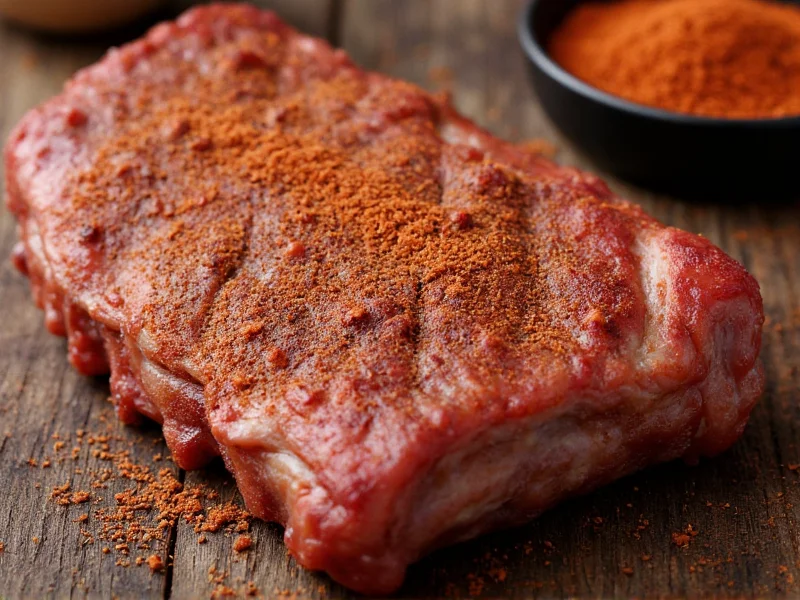
Essential Components of Effective Rib Seasoning
Creating exceptional rib seasoning requires understanding core flavor components. Salt remains the foundation, enhancing meat's natural taste while helping other spices adhere. Coarse kosher salt works best as it distributes evenly without dissolving too quickly. Black pepper adds necessary heat and complexity, while freshly ground delivers superior flavor compared to pre-ground varieties.
Paprika provides both color and subtle sweetness, with smoked paprika offering that distinctive barbecue character many associate with competition-style ribs. Garlic and onion powders deliver savory depth without burning during cooking. Brown sugar contributes caramelization and balances savory elements, though sugar-free alternatives work well for those avoiding sweetness.
Dry Rubs Versus Wet Marinades: Which Approach Wins?
When considering dry rub versus marinade for ribs, dry rubs generally produce superior results. Dry rubs form a flavorful crust while allowing smoke penetration, whereas wet marinades can create steaming effects that prevent proper bark formation. The best homemade pork rib seasoning recipe typically uses a dry rub applied several hours before cooking.
For optimal flavor development, apply your seasoning at least 12 hours before cooking but no more than 24 hours. This timeframe allows flavors to penetrate without drawing out excessive moisture. Refrigerate ribs during this resting period, uncovered, to help form the coveted pellicle layer that improves smoke adherence.
| Seasoning Component | Primary Function | Recommended Amount (per lb ribs) |
|---|---|---|
| Kosher salt | Flavor enhancement, moisture control | 1.5-2 tsp |
| Black pepper | Heat, complexity | 1 tsp |
| Smoked paprika | Color, smokiness | 1 tsp |
| Brown sugar | Caramelization, sweetness | 1 tsp |
| Garlic powder | Savory depth | 1/2 tsp |
Regional Rib Seasoning Styles Compared
Different barbecue regions feature distinctive Memphis style rib seasoning formula approaches. Memphis ribs typically use a simple dry rub heavy on paprika with minimal sugar, allowing the meat's natural flavor to shine. Kansas City style incorporates more brown sugar for that signature sweet glaze, while Texas versions focus on salt, pepper, and cayenne for bold, straightforward seasoning.
For those seeking spicy barbecue rib seasoning, adding cayenne pepper (1/4-1/2 tsp per pound) or chipotle powder provides heat without overwhelming other flavors. Those preferring rib seasoning without sugar can substitute with additional paprika and a touch of cinnamon for complexity.
Perfect Homemade Rib Seasoning Recipe
This versatile best dry rub for beef ribs works equally well on pork:
- 1/4 cup coarse kosher salt
- 2 tablespoons freshly ground black pepper
- 2 tablespoons smoked paprika
- 2 tablespoons brown sugar (or coconut sugar for refined sugar-free option)
- 1 tablespoon garlic powder
- 1 tablespoon onion powder
- 1 teaspoon cayenne pepper (optional for heat)
- 1 teaspoon dry mustard
Mix thoroughly in an airtight container. Apply generously to ribs, pressing gently to ensure adhesion. Let rest uncovered in the refrigerator for 12-24 hours before cooking. This homemade pork rib seasoning recipe yields enough for 8-10 pounds of ribs.
Critical Application Techniques
Proper technique matters as much as ingredients when seasoning ribs before smoking. After applying your rub, gently press the seasoning into the meat with your palms rather than rubbing, which can remove surface moisture needed for bark formation. Focus extra attention on the bone side, which benefits from additional seasoning.
Avoid common mistakes like applying too early (more than 24 hours before cooking) which can make ribs overly salty, or using table salt instead of kosher salt, which results in uneven seasoning. For competition-style results, apply a light coat of yellow mustard or olive oil before seasoning to help the rub adhere without adding flavor.
Storage and Preparation Tips
Store homemade rib seasoning without sugar in an airtight container away from light and heat for up to six months. Sugar-based rubs should be used within three months as the sugar can clump over time. Always measure your rub rather than eyeballing portions—consistency matters for repeatable results.
Before applying seasoning, ensure ribs are properly trimmed and the membrane removed from the bone side. Pat the ribs completely dry with paper towels, as moisture prevents proper rub adhesion. For best results when how long to let rib seasoning sit, allow at least 12 hours for flavors to penetrate while maintaining optimal texture.
Frequently Asked Questions
Should I apply rib seasoning before or after cooking?
Apply rib seasoning at least 12 hours before cooking but no more than 24 hours. This allows flavors to penetrate while giving time for the pellicle (sticky surface layer) to form, which improves smoke adherence and bark development during cooking.
Can I use the same seasoning for pork and beef ribs?
Yes, the same basic seasoning works for both pork and beef ribs, though beef ribs benefit from slightly more robust seasoning. Increase black pepper and smoked paprika by 25% for beef ribs to complement their stronger flavor profile without overwhelming the meat.
How much seasoning should I use per pound of ribs?
Use approximately 1.5-2 teaspoons of seasoning per pound of ribs. This provides adequate coverage without creating an overwhelming spice crust. For competition-style ribs, many pitmasters use closer to 2 teaspoons to ensure thorough coverage on all surfaces.
Does rib seasoning need sugar?
Sugar isn't essential in rib seasoning. While it contributes to caramelization and bark formation, excellent rib seasoning without sugar can be made by increasing smoked paprika and adding small amounts of cinnamon or allspice for complexity. Sugar-free versions work particularly well for those following specific dietary restrictions.
Can I make rib seasoning ahead of time?
Yes, dry rubs can be made weeks in advance and stored in airtight containers away from light and heat. Sugar-based rubs should be used within three months, while sugar-free versions maintain quality for up to six months. Always check for clumping or loss of aroma before using older seasoning blends.




 浙公网安备
33010002000092号
浙公网安备
33010002000092号 浙B2-20120091-4