
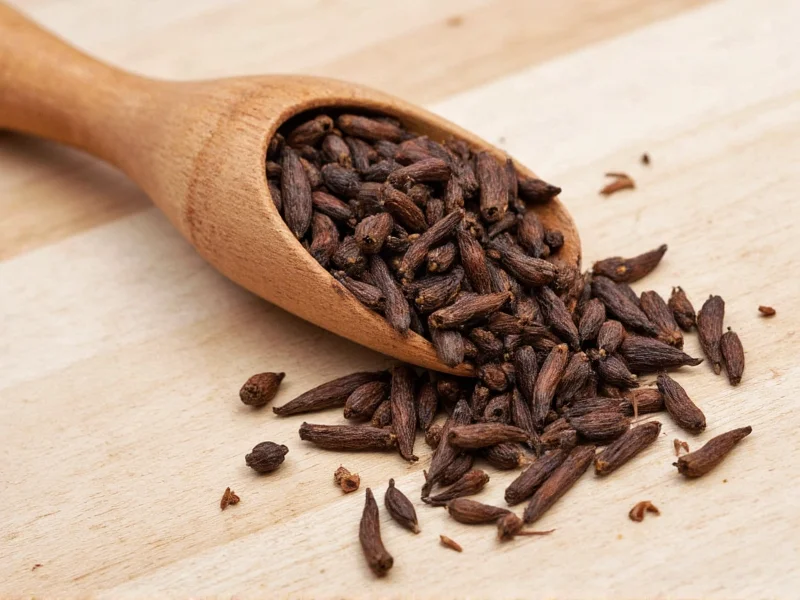
The best replacements for ground cloves are allspice (use 3/4 teaspoon allspice for every 1 teaspoon ground cloves), cinnamon (1 teaspoon cinnamon for 1/2 teaspoon cloves), or a blend of nutmeg and cinnamon. For baking, pumpkin pie spice works well as a 1:1 substitute, while cardamom offers a sophisticated alternative in savory dishes. Always adjust quantities based on your recipe's required intensity and flavor profile.
When you're in the middle of preparing a recipe and realize you've run out of ground cloves, knowing reliable substitutes can save your dish. Ground cloves have a distinctive warm, sweet, and slightly peppery flavor with aromatic notes that are challenging to replicate exactly. However, several common spices can effectively stand in depending on your specific culinary application.
Understanding Clove Flavor Profile
Before selecting a substitute, it's important to understand what makes ground cloves unique. Derived from dried flower buds of the Syzygium aromaticum tree, ground cloves contain approximately 15-20% essential oil, primarily eugenol, which gives them their characteristic pungent, warm, and slightly bitter-sweet flavor. This complex profile works differently in sweet versus savory applications, which affects which substitutes will work best for your specific recipe.
Top Substitutes for Ground Cloves
Allspice: The Closest Flavor Match
Allspice, despite its name, is a single spice (Pimenta dioica) that naturally combines flavors reminiscent of cloves, cinnamon, and nutmeg. Its eugenol content (around 3-9%) makes it the closest single-spice substitute for ground cloves.
Best for: Baking, mulled wines, spice cakes, and savory meat rubs
Ratio: Use 3/4 teaspoon allspice for every 1 teaspoon of ground cloves
Tip: Allspice works particularly well in recipes where cloves play a supporting rather than dominant role.
Cinnamon: The Accessible Alternative
Cinnamon provides warmth and sweetness similar to cloves but lacks the distinctive peppery note. It's one of the most readily available substitutes in most kitchens.
Best for: Baking, oatmeal, fruit compotes, and beverages
Ratio: Substitute 1 teaspoon cinnamon for every 1/2 teaspoon ground cloves
Tip: For recipes calling for more than 1/2 teaspoon cloves, consider adding a pinch of nutmeg to better approximate the complex flavor profile.
Nutmeg: The Subtle Partner
Nutmeg offers warm, nutty notes that complement rather than directly replace cloves. It works best when combined with other spices.
Best for: Custards, creamy sauces, and holiday beverages
Ratio: Use 1/4 teaspoon nutmeg plus 1/2 teaspoon cinnamon to replace 1 teaspoon ground cloves
Tip: Freshly grated nutmeg provides significantly better flavor than pre-ground versions for substitution purposes.
Pumpkin Pie Spice: The Convenient Blend
This common blend typically contains cinnamon, ginger, nutmeg, and sometimes allspice—making it an excellent ready-made substitute for recipes where cloves are just one component of a spice mix.
Best for: Pumpkin pies, apple crisps, and other fall desserts
Ratio: Use a 1:1 replacement for ground cloves
Tip: Check your blend's ingredients; if it already contains cloves, you'll need to use slightly less than a 1:1 ratio.
| Substitute | Ratio | Best Recipe Applications | Flavor Notes |
|---|---|---|---|
| Allspice | 3/4 tsp : 1 tsp cloves | Baking, mulled drinks, meat rubs | Closest single-spice match with warm, complex notes |
| Cinnamon | 1 tsp : 1/2 tsp cloves | Desserts, fruit dishes, beverages | Sweeter, less pungent than cloves |
| Nutmeg + Cinnamon | 1/4 tsp + 1/2 tsp : 1 tsp cloves | Custards, creamy sauces, holiday drinks | Softer, more rounded flavor profile |
| Pumpkin Pie Spice | 1:1 replacement | Fall desserts, baked goods | Convenient but check for existing clove content |
| Cardamom | 1/2 tsp : 1 tsp cloves | Savory dishes, Middle Eastern recipes | Floral notes work well in meat dishes |
Recipe-Specific Substitution Guidance
For Baking and Desserts
When substituting in sweet applications like gingerbread, spice cakes, or fruit pies, allspice provides the most comparable flavor profile. For recipes calling for 1 teaspoon or less of ground cloves, cinnamon works well at a 1:1 ratio. In pumpkin-based recipes, pumpkin pie spice serves as an excellent 1:1 replacement since it's formulated for similar flavor profiles.
For Savory Dishes
In ham glazes, marinades, or Middle Eastern dishes, cardamom offers a sophisticated alternative with floral notes that complement meats beautifully. Use half the amount of cardamom compared to the cloves called for. For Indian curries that require cloves, consider using a small amount of garam masala instead, which typically contains cloves along with other complementary spices.
For Beverages
In mulled wines, chai, or spiced ciders, allspice provides the closest flavor match at a 3:4 ratio. If you're making a large batch of holiday beverages, consider creating a custom spice blend with equal parts cinnamon, nutmeg, and allspice to replace cloves for more complex flavor development.
Creating Your Own Custom Clove Substitute Blend
For the most versatile replacement, make your own blend:
- 2 parts cinnamon
- 1 part allspice
- 1/2 part nutmeg
Mix thoroughly and store in an airtight container. Use this blend at a 1:1 ratio to replace ground cloves. This homemade substitute works particularly well for ground cloves alternative for apple pie and other fall desserts where the complex spice profile matters most.
Common Substitution Mistakes to Avoid
When searching for what spice can I use instead of ground cloves, avoid these common pitfalls:
- Using too much substitute: Cloves have an intense flavor, so most substitutes require less quantity
- Ignoring recipe context: A substitute that works in pumpkin pie may not work in a ham glaze
- Overlooking freshness: Old spices won't provide adequate flavor replacement
- Not adjusting other spices: When replacing cloves, you may need to reduce other warm spices in the recipe
Special Considerations for Dietary Restrictions
For those seeking non-alcoholic clove substitute options (as cloves are sometimes used in alcoholic infusions), consider using clove essential oil diluted in a carrier oil (use just 1-2 drops per teaspoon of substitute). For individuals with clove sensitivities looking for ground cloves substitute for sensitive palates, milder options like cinnamon or a small amount of allspice blended with extra cinnamon provide warmth without the intense bite.




 浙公网安备
33010002000092号
浙公网安备
33010002000092号 浙B2-20120091-4