
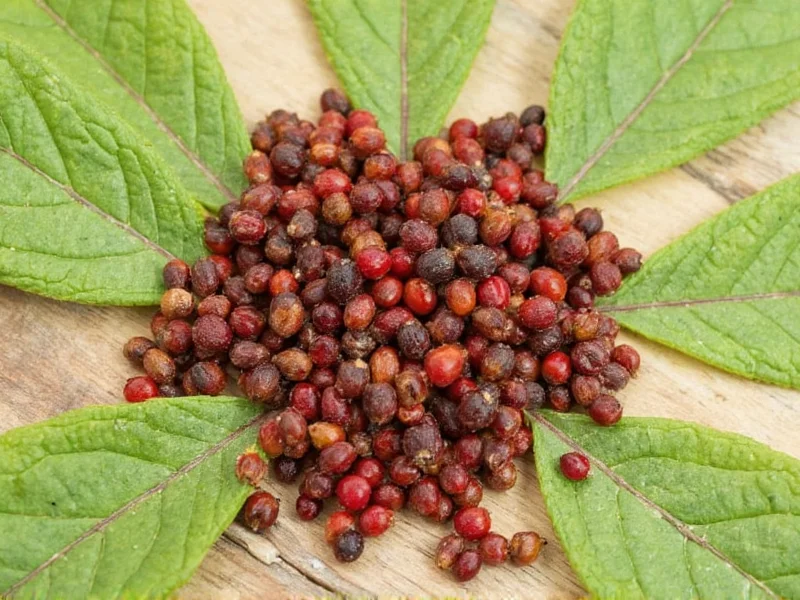
When you're in the middle of cooking and realize you've run out of allspice berries, knowing reliable substitutes can save your recipe. Allspice, despite its name, isn't a blend but a single spice from the dried berries of the Pimenta dioica plant. Its distinctive flavor combines notes reminiscent of cinnamon, nutmeg, and cloves, which is why the "allspice" name stuck. Understanding this flavor profile is crucial for finding effective replacements that maintain your dish's intended taste.
Why Allspice Has No Perfect Single-Spice Replacement
Allspice's unique flavor comes from its natural combination of warm, sweet, and slightly peppery notes. Unlike pre-mixed spice blends, allspice is a single ingredient that happens to taste like multiple spices. This characteristic makes finding substitutes for allspice berries challenging if you're looking for a one-to-one replacement. The most successful alternatives mimic this complex profile through strategic blending of common pantry spices.
Top 5 Allspice Berry Substitutes
When searching for replacement for allspice berries, consider these options based on what you have available and the specific recipe you're preparing:
1. Cinnamon-Nutmeg-Cloves Blend (Most Accurate Substitute)
This classic combination most closely replicates allspice's flavor profile. The precise ratio matters for optimal results:
| Allspice Required | Cinnamon | Nutmeg | Cloves |
|---|---|---|---|
| 1 teaspoon | 1/2 teaspoon | 1/4 teaspoon | 1/4 teaspoon |
| 1 tablespoon | 1 1/2 teaspoons | 3/4 teaspoon | 3/4 teaspoon |
| 1/4 cup | 3 tablespoons | 1 1/2 tablespoons | 1 1/2 tablespoons |
This blend works exceptionally well as a replacement for allspice berries in both sweet and savory applications. For baking recipes, you can slightly reduce the cloves to 1/8 teaspoon if you prefer a milder flavor.
2. Pumpkin Pie Spice (Convenient Pantry Option)
If you have pumpkin pie spice on hand, it makes a practical substitute for allspice berries. Most commercial pumpkin pie spice blends contain cinnamon, ginger, nutmeg, allspice, and cloves—making it naturally close to allspice's flavor profile.
Use a 3:4 ratio: for every 1 teaspoon of allspice required, use 3/4 teaspoon pumpkin pie spice. This accounts for the additional ginger in most blends. This substitute works particularly well in baked goods, fruit compotes, and dessert recipes where the ginger notes complement rather than compete with other flavors.
3. Cinnamon as a Quick Fix
When you need a simple replacement for allspice berries and have limited options, cinnamon provides the dominant flavor note found in allspice. Use 3/4 teaspoon cinnamon for every 1 teaspoon of allspice required.
This substitution works best in sweet applications like baked goods, fruit dishes, and desserts where the missing complexity won't be as noticeable. Avoid using this substitute in savory dishes like jerk chicken or pickling recipes where the peppery notes of allspice are essential.
4. Cardamom Blend for Middle Eastern Dishes
For certain recipes, particularly Middle Eastern or Scandinavian dishes where allspice is common, a blend of cardamom with a touch of black pepper creates an interesting alternative. Use 1/2 teaspoon cardamom plus 1/8 teaspoon black pepper to replace 1 teaspoon of allspice.
This substitute works well in meat dishes, rice pilafs, and certain baked goods where the citrusy notes of cardamom complement other ingredients. It's not ideal for traditional American baking or Caribbean recipes where allspice's specific profile is crucial.
5. Pre-Mixed Garam Masala for Indian-Inspired Dishes
When cooking dishes with Indian influences, garam masala can serve as an unexpected but effective replacement for allspice berries. Use a 1:1 ratio since many garam masala blends already contain allspice or similar warming spices.
This substitution works particularly well in tomato-based sauces, lentil dishes, and certain meat preparations. The complex blend in garam masala provides depth similar to allspice while adding its own distinctive character.
When to Choose Specific Allspice Substitutes
Not all substitutes work equally well in every recipe. Consider these guidelines when selecting your replacement for allspice berries:
- Sweet Baking: Use the cinnamon-nutmeg-cloves blend or pumpkin pie spice
- Caribbean Jerk Recipes: Stick with the classic blend; avoid single-spice substitutes
- Pickling Spices: The full blend is essential for authentic flavor
- Meat Rubs: The classic blend or cardamom-pepper combination work well
- Fruit Compotes: Cinnamon alone may suffice in a pinch
- Curries: Garam masala makes an excellent substitute
Flavor Impact of Different Substitutes
Understanding how each substitute affects your final dish helps you make informed decisions when you need a replacement for allspice berries:
- The classic blend provides the most authentic flavor replication
- Cinnamon alone creates a sweeter, less complex profile
- Pumpkin pie spice adds subtle ginger notes that may alter delicate recipes
- Cardamom brings citrusy notes that change the flavor direction
- Garam masala introduces additional spices that transform the dish's character
For best results, always taste as you adjust seasonings when using substitutes for allspice berries. The goal is to achieve balance rather than perfect replication, as minor flavor variations can create interesting new dimensions in familiar recipes.
Storing Your Substitute Blends
If you create a larger batch of the cinnamon-nutmeg-cloves blend as your replacement for allspice berries, store it properly to maintain freshness:
- Use an airtight container away from light and heat
- Label with the date and ratio used
- Use within 3-4 months for optimal flavor
- Consider making small batches to ensure freshness
Whole spices maintain their potency longer than ground versions, so if you're creating a long-term substitute solution, consider keeping small quantities of whole cinnamon sticks, nutmeg, and cloves to freshly grind as needed.
FAQ: Common Questions About Allspice Substitutes
Can I use five-spice powder as a replacement for allspice berries?
Five-spice powder makes a moderate substitute for allspice berries, but with important caveats. Use a 1:1 ratio, but be aware that Chinese five-spice contains star anise and fennel, which create a distinctly different flavor profile. This substitution works best in meat dishes but may overpower delicate baked goods. The anise notes particularly change the character of the final dish.
What's the difference between allspice berries and ground allspice when substituting?
Allspice berries (whole) have more complex flavor and stay fresh longer than ground allspice. When substituting, use the same ratios whether replacing whole berries or ground allspice, but increase the substitute by 25% when replacing whole berries (since grinding releases more flavor). For example, use 1 1/4 teaspoons of your substitute blend for every 1 teaspoon of whole allspice berries called for in a recipe.
Can I substitute allspice in mulled wine recipes?
Yes, but with specific considerations. For mulled wine, the classic cinnamon-nutmeg-cloves blend works perfectly as a replacement for allspice berries. Use 1/2 cinnamon stick, 1/4 teaspoon ground nutmeg, and 3-4 whole cloves to replace 6 allspice berries. The whole spices allow for easy removal after steeping, which is preferable to ground spices in beverages.
Why does my allspice substitute taste different in baking versus savory dishes?
Different cooking environments affect how spice compounds interact. In baking, the dry heat intensifies certain notes while mellowing others. In savory dishes, liquid components extract different flavor compounds. When using a replacement for allspice berries, you may need to adjust ratios slightly—reducing cloves by 1/8 teaspoon in baking recipes while increasing them slightly in savory applications for balanced flavor.
How do I adjust allspice substitutes for children's recipes?
For children's recipes, reduce the cloves by half in your allspice substitute blend, as children often find clove's intensity overpowering. Use 1/2 teaspoon cinnamon, 1/4 teaspoon nutmeg, and 1/8 teaspoon cloves per teaspoon of allspice required. Alternatively, increase the cinnamon slightly to maintain the total volume while creating a milder, sweeter profile that appeals to younger palates.




 浙公网安备
33010002000092号
浙公网安备
33010002000092号 浙B2-20120091-4