
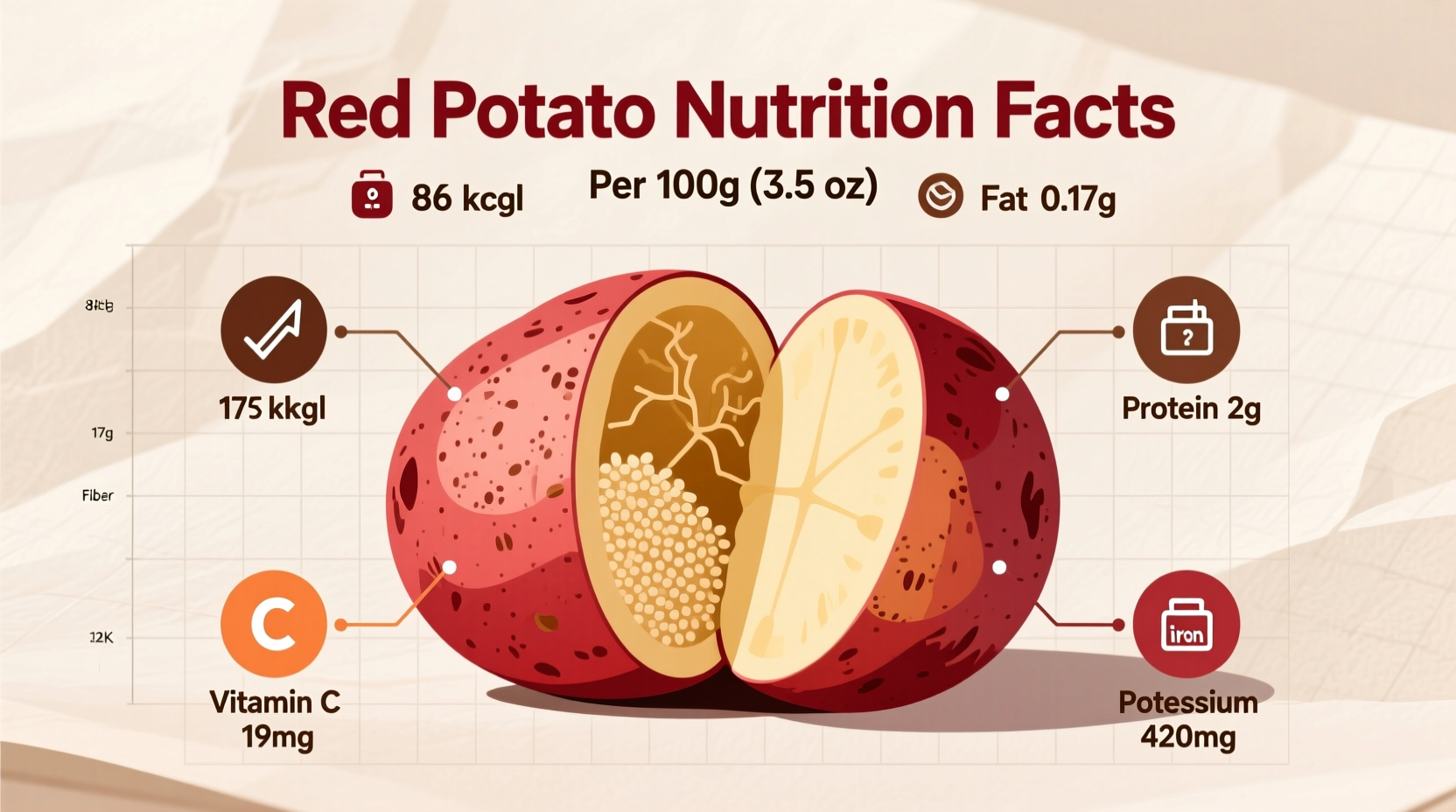
Discover exactly what makes red potatoes a valuable addition to your diet. This comprehensive guide delivers precise nutritional data, health benefits, and practical usage tips backed by authoritative sources. Whether you're managing dietary needs, planning meals, or simply curious about this versatile vegetable, you'll find actionable information to make informed food choices.
Nutritional Profile of Red Potatoes
Red potatoes stand out among potato varieties for their nutrient density and culinary versatility. Unlike processed potato products, whole red potatoes deliver essential nutrients in their natural form. According to the USDA FoodData Central database, the nutritional composition remains consistent across most red potato varieties when prepared without added fats or seasonings.
| Nutrient | Amount per Medium Potato (150g) | % Daily Value* |
|---|---|---|
| Calories | 135 | - |
| Total Carbohydrates | 30g | 11% |
| Dietary Fiber | 2.5g | 9% |
| Sugars | 1.5g | - |
| Protein | 3g | 6% |
| Vitamin C | 17mg | 28% |
| Potassium | 535mg | 18% |
| Vitamin B6 | 0.3mg | 18% |
| Manganese | 0.2mg | 8% |
*Percent Daily Values are based on a 2,000 calorie diet. Your daily values may be higher or lower depending on your calorie needs.
Red Potatoes vs. Other Varieties: Nutritional Comparison
Understanding how red potatoes compare to other common varieties helps make informed dietary choices. While all potatoes share similar nutritional foundations, subtle differences impact their health benefits and culinary applications.
| Nutrient | Red Potato | Russet Potato | Sweet Potato |
|---|---|---|---|
| Calories (150g) | 135 | 168 | 135 |
| Carbohydrates | 30g | 37g | 30g |
| Fiber | 2.5g | 3.3g | 4g |
| Vitamin C | 28% | 21% | 37% |
| Vitamin A | 0% | 0% | 369% |
| Glycemic Index | 89 | 111 | 70 |
Red potatoes contain significantly more vitamin C than russet varieties while maintaining a lower glycemic index than many other white potatoes. Their thin skin, which should be consumed for maximum nutritional benefit, contains valuable antioxidants not found in higher concentrations in other varieties. According to research published in the Journal of Agricultural and Food Chemistry, colored potato varieties like red potatoes contain anthocyanins that provide additional antioxidant properties.
Health Benefits of Red Potatoes
Red potatoes offer several health benefits that extend beyond basic nutrition. Their unique composition supports various aspects of wellness when consumed as part of a balanced diet.
Potassium Powerhouse for Heart Health
With 535mg of potassium per medium potato, red potatoes contribute significantly to cardiovascular health. The American Heart Association recommends potassium-rich foods to help maintain healthy blood pressure levels. Unlike processed sources of potassium, red potatoes deliver this essential mineral alongside complementary nutrients that enhance absorption.
Vitamin C Content That Surprises Many
Many people don't realize that potatoes contain substantial vitamin C. A medium red potato provides nearly 30% of your daily vitamin C needs—more than a medium tomato. This vitamin supports immune function and acts as an antioxidant, protecting cells from damage. Research from the Centers for Disease Control and Prevention confirms potatoes as a significant source of vitamin C in the American diet.
Digestive Health Support
The fiber content in red potatoes, particularly when consumed with skin, supports healthy digestion. Resistant starch formed when cooled potatoes are eaten provides prebiotic benefits that feed beneficial gut bacteria. A study in the Journal of Nutrition and Metabolism demonstrated that potato-resistant starch improves gut microbiome diversity.
Practical Usage Guidelines
Maximizing the nutritional benefits of red potatoes requires understanding proper preparation and portion control. These practical tips help incorporate red potatoes effectively into various dietary patterns.
Optimal Cooking Methods for Nutrient Retention
How you prepare red potatoes significantly impacts their nutritional value:
- Steaming or boiling with skin on preserves water-soluble vitamins better than frying
- Avoid peeling to retain fiber and nutrients concentrated in and just below the skin
- Cooling cooked potatoes increases resistant starch content by up to 50%
- Roasting at moderate temperatures (375°F/190°C) preserves more nutrients than high-heat methods
Portion Guidance for Different Dietary Needs
Understanding appropriate portions helps incorporate red potatoes into various eating patterns:
- General health maintenance: 1 medium potato (5-6" diameter) 2-3 times weekly
- Active individuals: 1-2 medium potatoes per meal depending on activity level
- Weight management: ½ medium potato paired with lean protein and non-starchy vegetables
- Blood sugar management: ⅓ medium potato combined with healthy fats and fiber-rich foods
Special Dietary Considerations
Red potatoes can fit into various dietary patterns with appropriate modifications. Understanding these context boundaries ensures they support rather than hinder specific health goals.
For Individuals Managing Blood Sugar
While red potatoes have a moderate glycemic index of 89 (compared to white potatoes at 111), they still impact blood glucose levels. The American Diabetes Association recommends pairing potatoes with protein and healthy fats to moderate blood sugar response. Consuming cooled red potatoes increases resistant starch, which has a lower glycemic impact than freshly cooked potatoes.
Nutritional Value for Active Lifestyles
Athletes and active individuals benefit from red potatoes' carbohydrate content for energy replenishment. The combination of carbohydrates, potassium, and vitamin B6 supports muscle function and recovery. Research from the American Journal of Clinical Nutrition indicates that whole food carbohydrate sources like potatoes provide sustained energy release compared to processed alternatives.
Considerations for Weight Management
Red potatoes can be part of weight management plans when portion-controlled. Their high satiety index (70% more filling than pasta and 40% more than rice according to research in the European Journal of Clinical Nutrition) helps control overall calorie intake. The key is preparation method—baked or boiled red potatoes provide more satisfaction per calorie than fried versions.
Frequently Asked Questions
Here are answers to common questions about red potato nutrition based on current nutritional science:
Do red potatoes have more nutrients than white potatoes?
Red potatoes contain slightly higher vitamin C content than many white potato varieties. Their colored skin contains anthocyanins, powerful antioxidants not found in white potatoes. Both types offer similar potassium and vitamin B6 levels, but red potatoes generally have a marginally lower glycemic index.
Are red potatoes healthy for weight loss?
Yes, when prepared properly and portion-controlled. Red potatoes have a high satiety index, meaning they help you feel full longer. A medium red potato contains only 135 calories and provides 2.5g of fiber. For weight management, bake or boil potatoes with skin and pair with lean proteins and non-starchy vegetables rather than frying or adding high-calorie toppings.
Should I eat the skin of red potatoes?
Absolutely. The skin contains nearly half the fiber content and significant amounts of vitamins, minerals, and antioxidants. Removing the skin reduces the fiber content by approximately 50% and eliminates many beneficial phytochemicals concentrated in the skin. Always wash red potatoes thoroughly before cooking with the skin on.
How do red potatoes affect blood sugar levels?
Red potatoes have a moderate glycemic index of 89, which is lower than russet potatoes (111) but higher than sweet potatoes (70). Their impact on blood sugar can be moderated by eating them with protein, healthy fats, and fiber-rich vegetables. Cooling cooked red potatoes increases resistant starch content, which has a lower glycemic impact than freshly cooked potatoes.
What's the best way to store red potatoes for maximum nutrition?
Store red potatoes in a cool, dark, well-ventilated place between 45-50°F (7-10°C). Avoid refrigeration, which converts starch to sugar, and exposure to light, which causes greening and solanine production. Properly stored, red potatoes maintain nutritional value for 2-3 weeks. Never store potatoes with onions, as gases from onions accelerate spoilage.




 浙公网安备
33010002000092号
浙公网安备
33010002000092号 浙B2-20120091-4