
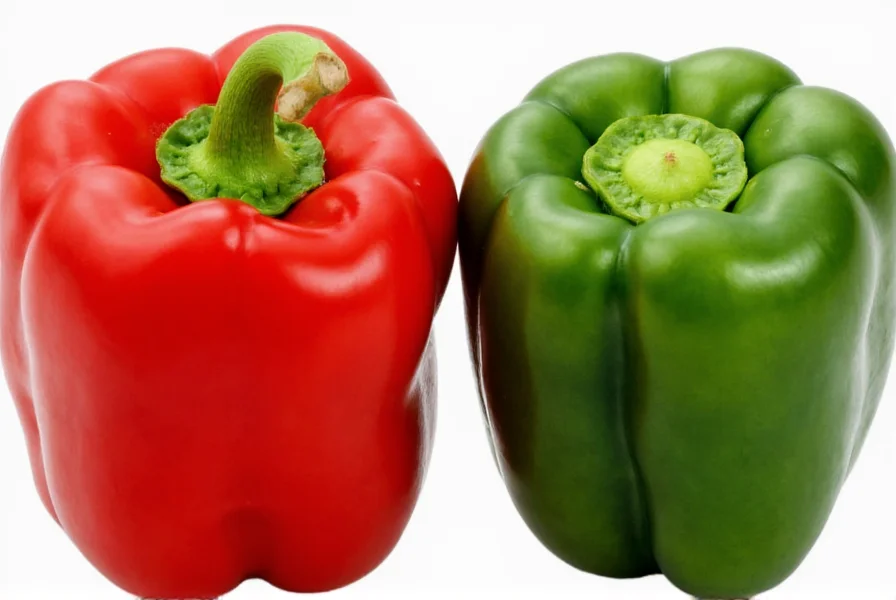
Bell peppers, scientifically known as Capsicum annuum, undergo a fascinating transformation as they mature on the vine. Understanding the red pepper vs green pepper differences goes beyond just color—it affects flavor, nutrition, culinary applications, and even your grocery budget.
The Ripening Process: Why Color Changes Matter
Contrary to popular belief, red and green peppers aren't different varieties. They're the same plant at different maturity stages. Green peppers are simply unripe bell peppers harvested early for their crisp texture and lower production costs. When left on the plant, green peppers gradually transform through yellow and orange stages before becoming fully red.
This ripening process triggers biochemical changes. Chlorophyll (which gives green color) breaks down while carotenoids (red and yellow pigments) develop. This isn't just cosmetic—the chemical transformation significantly impacts flavor compounds and nutrient profiles.
Research from Cornell University's vegetable program indicates a typical ripening timeline for bell peppers:
- 60-70 days after transplanting: Harvested as green peppers (unripe stage)
- Additional 14-21 days on the plant: Transition through yellow and orange stages
- Approximately 84-91 days total: Reaching full red ripeness
This extended growth period explains both the nutritional benefits and the higher cost of red peppers. Source: Cornell University Vegetable Program

Taste and Texture Comparison
When comparing red pepper vs green pepper taste profiles, the differences are substantial:
- Green peppers: Deliver a sharper, slightly bitter, grassy flavor with pronounced vegetal notes. Their cell walls remain firmer, providing a satisfying crunch even when cooked.
- Red peppers: Develop significantly sweeter flavor (up to 50% more sugar content) with complex fruity notes. The extended ripening softens their cell structure, creating a more tender texture.
Chefs often select green peppers for dishes requiring structural integrity like stir-fries or stuffed peppers, while red peppers shine in applications where sweetness enhances the dish—roasted vegetable medleys, sauces, or raw in salads.
Nutritional Differences Between Red and Green Peppers
The extended time on the vine dramatically boosts red peppers' nutritional value. Consider these key differences per 100g serving:
| Nutrient | Green Pepper | Red Pepper |
|---|---|---|
| Vitamin C | 80mg (133% DV) | 190mg (317% DV) |
| Vitamin A | 370 IU | 3,726 IU |
| Beta-carotene | 0.3mg | 1.9mg |
| Antioxidants | Moderate | Significantly higher |
| Calories | 20 | 31 |
As peppers ripen from green to red, their vitamin C content nearly triples while vitamin A increases tenfold. The red variety contains substantially more lycopene and other carotenoids—powerful antioxidants linked to reduced inflammation and improved eye health. This nutritional boost explains why health-conscious cooks often seek out red bell pepper nutrition facts when meal planning.
Culinary Applications: When to Use Each Variety
Understanding the practical differences between red and green peppers helps optimize your cooking:
Best Uses for Green Peppers
- Stir-fries where structural integrity matters
- Stuffed pepper recipes requiring firm walls
- Soups and stews where subtle bitterness balances richness
- Raw applications like crudités where pronounced crunch is desirable
- Traditional dishes like fajitas where authentic flavor profile matters
Best Uses for Red Peppers
- Roasting to concentrate natural sweetness
- Raw in salads where vibrant color enhances presentation
- Blending into sauces and soups for natural sweetness
- Caramelizing to develop complex flavor layers
- As a colorful garnish where visual appeal matters
Contextual Constraints and Limitations
Understanding the limitations of each variety prevents culinary mishaps. As noted by the University of Missouri Extension, the softer texture of red peppers makes them less suitable for dishes requiring prolonged cooking without texture degradation. Conversely, green peppers' bitterness may overwhelm delicate sweet applications.
- Green peppers should be avoided in recipes where sweetness is essential (e.g., pepper jelly, sweet sauces) or when vibrant color is critical for presentation.
- Red peppers are not recommended for recipes involving long simmering (like some stews) as they break down faster. Their higher sugar content also increases the risk of burning during high-heat cooking methods like stir-frying.
Source: University of Missouri Extension: Bell Pepper Production
Professional chefs often combine both varieties in the same dish to create flavor and texture contrasts. For example, a frittata might feature green peppers for structure and red peppers for sweetness.

Economic Factors: Why Red Peppers Cost More
When comparing red pepper vs green pepper price points, red peppers typically cost 20-30% more. This premium reflects several agricultural realities:
- Extended growing time: Red peppers require 2-3 additional weeks on the plant
- Higher resource investment: More water, nutrients, and labor per plant
- Increased vulnerability: Longer exposure to pests and weather damage
- Lower yield: Plants produce fewer fully-ripened red peppers
For budget-conscious shoppers, understanding these economic factors helps explain why green peppers remain the most affordable option while red peppers command a premium.
Storage and Shelf Life Considerations
Both varieties benefit from similar storage methods (refrigeration in crisper drawer), but their shelf lives differ:
- Green peppers: Last 2-3 weeks due to firmer cellular structure
- Red peppers: Typically last 1-2 weeks as their softer texture makes them more prone to spoilage
To maximize freshness, store peppers unwashed in perforated plastic bags. Avoid storing near ethylene-producing fruits like apples or bananas, which accelerate ripening and spoilage.
Making the Right Choice for Your Needs
Selecting between red and green peppers ultimately depends on your specific culinary goals:
- Choose green peppers when you need firm texture, subtle bitterness, or budget-friendliness
- Choose red peppers when sweetness, nutritional density, or visual appeal are priorities
For many home cooks, maintaining both varieties in rotation provides the most versatile kitchen arsenal. Understanding these differences between red and green bell peppers transforms a simple grocery decision into an informed culinary choice.




 浙公网安备
33010002000092号
浙公网安备
33010002000092号 浙B2-20120091-4