
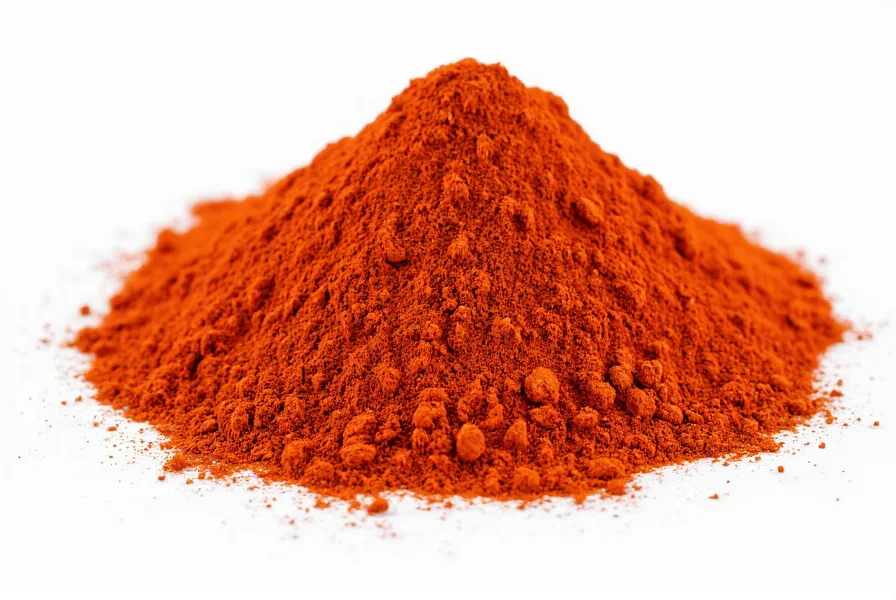
Understanding Red Pepper Powder: More Than Just Heat
Red pepper powder, sometimes labeled as crushed red pepper or chili flakes in certain regions, represents one of the most widely used spice ingredients worldwide. Unlike single-origin spices, commercial red pepper powder typically blends multiple dried red chili varieties including cayenne, bell peppers, and other Capsicum species to achieve balanced flavor and consistent heat levels.
Historical Evolution of Red Pepper Powder
The journey of red pepper powder from ancient cultivation to modern kitchen staple reflects global trade and culinary evolution. Key milestones include:
- 7500 BCE: Earliest evidence of Capsicum cultivation in Mesoamerica (modern-day Mexico and Central America) (USDA National Agricultural Library).
- 1493: Christopher Columbus introduces chili peppers to Europe after encountering them in the Caribbean, initiating global spice trade.
- 1542: First documented use of dried and ground chili peppers as a spice in European cuisine (De Ortu Rectoris by Peter Martyr d'Anghiera).
- 1912: Wilbur Scoville develops the Scoville Organoleptic Test, later standardized as the Scoville Heat Unit (SHU) scale.
- 1960s: Commercial production of standardized red pepper powder blends begins in the United States, enabling consistent heat levels for mass-market use.
Red Pepper Powder vs. Common Confusions
Many home cooks mistakenly interchange red pepper powder with similar spices. Understanding these differences prevents recipe failures:
| Spice Type | Heat Level (Scoville) | Flavor Profile | Common Uses |
|---|---|---|---|
| Red Pepper Powder | 500-2,500 | Slightly sweet, earthy, moderate heat | Pizza, pasta, marinades, rubs |
| Cayenne Pepper | 30,000-50,000 | Sharp, intense heat | Cajun dishes, hot sauces, medicinal uses |
| Paprika | 0-2,500 (varies) | Sweet, smoky, minimal heat | Goulash, deviled eggs, color enhancement |
| Chili Powder | Varies significantly | Blend with cumin, garlic, oregano | Tacos, chili con carne, Tex-Mex dishes |
When exploring the difference between red pepper powder and cayenne, remember that cayenne is significantly hotter and more pungent. Substituting one for the other without adjustment will dramatically alter your dish's heat profile. Similarly, is red pepper powder the same as paprika confuses many cooks—while both come from red peppers, paprika generally lacks heat and provides primarily color and mild flavor.
Nutritional Composition and Potential Health Effects
Two teaspoons (about 4g) of red pepper powder typically contain:
- 15 calories
- 3g carbohydrates
- 1g fiber
- 6% of daily vitamin A needs
- 4% of daily vitamin C needs
- Traces of iron and potassium
The active compound capsaicin, responsible for the heat, has been studied for potential metabolic benefits. A 2017 systematic review in Appetite found that capsaicin consumption increased energy expenditure by approximately 50 kcal per day and reduced appetite in human trials, though effects varied by individual metabolism (Whiting et al., 2017). The vibrant red color comes from carotenoids, antioxidants associated with eye health and inflammation reduction.

Practical Culinary Applications
Chefs worldwide utilize red pepper powder for both flavor and visual appeal. Unlike fresh chilies, the dried form provides consistent heat and longer shelf life. When considering how to use red pepper powder in cooking, remember these professional techniques:
- Bloom in oil: Heat 1/2 teaspoon in 1 tablespoon oil for 30 seconds before adding other ingredients to maximize flavor release
- Finishing touch: Sprinkle over finished dishes like pizza, eggs, or roasted vegetables for immediate flavor impact
- Marinade component: Combine with olive oil, garlic, and lemon for meats or vegetables (use 1 teaspoon per pound of protein)
- Balance acidity: Counteracts tomato acidity in pasta sauces (start with 1/4 teaspoon per cup of sauce)
For those exploring global cuisines, Italian cooking frequently uses red pepper flakes as a table condiment, while Middle Eastern and North African dishes incorporate it into spice blends like za'atar and ras el hanout.
Proper Storage for Maximum Freshness
Exposure to light, heat, and moisture rapidly degrades red pepper powder's flavor and color. Follow these red pepper powder storage tips to maintain quality:
- Store in an airtight container away from direct sunlight
- Keep in a cool, dark place (below 70°F/21°C)
- Refrigeration extends freshness for up to 2 years
- Freezing preserves potency for 3+ years (thaw before use to prevent condensation)
Test freshness by rubbing a small amount between fingers—if the aroma is weak and color appears faded, it's time for replacement. Properly stored, high-quality red pepper powder maintains its vibrant red color and pungent aroma for 1-2 years.
Contextual Constraints: When Red Pepper Powder Isn't Ideal
Understanding the limitations of red pepper powder ensures optimal culinary results. Key constraints include:
- High-temperature cooking: Capsaicin degrades significantly above 175°C (347°F), reducing heat intensity by up to 50% after 30 minutes of boiling (Wang et al., 2014). For long-simmered dishes, add red pepper powder in the last 10 minutes of cooking.
- Humid environments: Relative humidity above 60% causes clumping and mold growth within weeks. Store in environments below 50% RH (National Center for Home Food Preservation).
- Digestive sensitivity: Even small amounts (1/8 teaspoon) may trigger symptoms in individuals with irritable bowel syndrome (IBS), as spicy foods are commonly restricted in IBS management diets (National Institute of Diabetes and Digestive and Kidney Diseases).
Effective Substitution Strategies
When you need red pepper powder substitution options, consider these alternatives based on your recipe's requirements:
- For heat without color: Cayenne pepper (use 1/3 the amount)
- For color without heat: Sweet paprika (use equal amount)
- For complex flavor: Chili powder blend (use 1.5x amount)
- For fresh alternative: Finely minced fresh red chili (use 3x amount)
When substituting, always add gradually and taste as you go. Remember that red pepper powder vs paprika substitutions particularly affect both color and heat profile, requiring careful adjustment.
Safety Considerations and Special Populations
While generally safe for culinary use, certain individuals should exercise caution with red pepper powder:
- Those with GERD or ulcers may experience symptom exacerbation
- People taking blood thinners should monitor intake due to potential interactions
- Individuals with irritable bowel syndrome may need to limit consumption
- Always wash hands thoroughly after handling to avoid eye or skin irritation
The health effects of red pepper powder are generally positive when consumed in culinary amounts, but therapeutic doses used in supplements require medical supervision. Consult a healthcare provider before significantly increasing intake if managing chronic health conditions.
Conclusion: Maximizing Your Red Pepper Powder Experience
Understanding the nuances of red pepper powder transforms it from a simple heat source to a sophisticated flavor enhancer. By recognizing its differences from similar spices, proper storage methods, and strategic culinary applications, home cooks can elevate everyday dishes with professional results. Whether you're exploring red pepper powder substitution options or optimizing its red pepper powder nutritional benefits, this versatile spice deserves a permanent place in any well-stocked kitchen.
Frequently Asked Questions
Is red pepper powder the same as cayenne pepper?
No, red pepper powder and cayenne pepper differ significantly. Red pepper powder typically blends multiple chili varieties with moderate heat (500-2,500 Scoville units), while cayenne is made from specific Capsicum annuum varieties with much higher heat (30,000-50,000 Scoville units). Cayenne provides sharper, more intense heat without the earthy sweetness of standard red pepper powder.
How much red pepper powder equals fresh chili peppers?
Generally, 1/2 teaspoon of red pepper powder substitutes for one medium fresh red chili pepper. However, this varies by pepper variety and personal heat tolerance. For precise substitution, start with 1/4 teaspoon powder per pepper and adjust to taste, as dried spices concentrate flavors during dehydration.
Does red pepper powder lose potency over time?
Yes, red pepper powder gradually loses potency and color when exposed to light, heat, and air. Properly stored in an airtight container away from sunlight, it maintains optimal flavor for 1-2 years. Refrigeration extends freshness to 2 years, while freezing preserves quality for 3+ years. Test freshness by rubbing a small amount between fingers—if aroma is weak and color faded, it's time for replacement.
Can red pepper powder help with weight loss?
Some studies suggest capsaicin in red pepper powder may temporarily increase metabolism and reduce appetite, potentially supporting weight management efforts. However, effects are modest and vary between individuals. Culinary amounts (1/4-1/2 teaspoon per serving) provide minimal metabolic impact. Significant weight loss requires comprehensive dietary and lifestyle changes, not spice supplementation alone.
Why does my red pepper powder taste bitter?
Bitterness in red pepper powder usually indicates age or improper storage. Old spices lose volatile compounds that balance flavor, leaving bitter notes. Exposure to moisture can also cause bitterness. To prevent this, store in an airtight container away from heat and light. If already bitter, try blooming in oil to mellow flavors or replace with fresh product for best results.




 浙公网安备
33010002000092号
浙公网安备
33010002000092号 浙B2-20120091-4